
Choosing a solid-state microwave generator can feel complicated when you are comparing power ratings, installation requirements, and long-term operating costs. This guide gives you a clearer path by organizing the differences that matter in everyday use. You will find a comparison table, practical buying tips, and guidance for matching a system to your space, workload, and experience level. The goal is not to overwhelm you with technical jargon, but to help you ask the right questions before making a purchase. Think about how often you expect to use the equipment, what kind of environment it must fit into, and how much control you want over setup and maintenance. A little planning can make a substantial difference in satisfaction, whether you are building a new setup or improving an existing one. Use this overview to narrow your priorities, compare the available options, and choose a solution that aligns with your needs.
Solid-State Microwave Generators at a Glance: Top 8 Review
| Image | Product | Highlights | Check Price |
|---|---|---|---|

|
New Concepts Solid State Microwave Generator Reference | A focused technical reference for engineers exploring solid-state microwave generator design, troubleshooting, and performance. | Check Price |

|
Toshiba 1.6 Cu.Ft. Smart Sensor Microwave Oven | A balanced 1.6-cubic-foot Toshiba microwave offering sensor-assisted cooking, 1200W power, and a practical countertop footprint. | Check Price |

|
Panasonic 1.2 Cu.Ft. Inverter Genius Sensor Microwave | Panasonic combines inverter cooking, a Genius Sensor, 1200W power, and installation flexibility in a compact 1.2-cubic-foot design. | Check Price |

|
Toshiba 2.2 Cu.Ft. Large Smart Sensor Microwave | A roomy 2.2-cubic-foot Toshiba microwave for larger portions, 1200W cooking, and sensor-assisted reheating without extra button work. | Check Price |
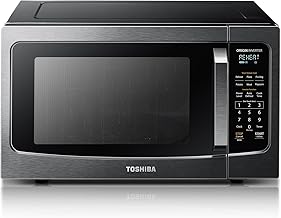
|
Toshiba 1.6 Cu.Ft. Inverter Countertop Microwave | A practical Toshiba countertop microwave for controlled reheating and everyday cooking, with inverter technology in a manageable 1.6-cubic-foot size. | Check Price |

|
Farberware 1.1 Cu.Ft. 1000W White Platinum Microwave | A value-focused 1.1-cubic-foot microwave offering 1000W power, auto cook, defrost, easy cleaning, and a child lock. | Check Price |

|
Chefman 1.1 Cu.Ft. 1000W Stainless Steel Microwave | A compact stainless-steel Chefman microwave for everyday reheating and cooking, with 1000W power in a space-saving 1.1-cubic-foot body. | Check Price |

|
BLACK+DECKER 1.4 Cu.Ft. 1000W Stainless Steel Microwave | A balanced 1.4-cubic-foot BLACK+DECKER microwave for families and individuals who want 1000W power and a clean stainless-steel design. | Check Price |
Table of Contents
- 1. New Concepts Solid State Microwave Generator Reference
- 2. Toshiba 1.6 Cu.Ft. Smart Sensor Microwave Oven
- 3. Panasonic 1.2 Cu.Ft. Inverter Genius Sensor Microwave
- 4. Toshiba 2.2 Cu.Ft. Large Smart Sensor Microwave
- 5. Toshiba 1.6 Cu.Ft. Inverter Countertop Microwave
- 6. Farberware 1.1 Cu.Ft. 1000W White Platinum Microwave
- 7. Chefman 1.1 Cu.Ft. 1000W Stainless Steel Microwave
- 8. BLACK+DECKER 1.4 Cu.Ft. 1000W Stainless Steel Microwave
Top 8 Solid-State Microwave Generators Reviewed
Solid-state microwave generators are becoming a practical choice for users who need consistent microwave output without relying on a traditional magnetron-based setup. They appeal to laboratories, industrial operators, technical hobbyists, and teams handling demanding heating or testing work. In this Top 8 review, you can expect top-rated picks organized by needs rather than hype, along with clear comparisons of performance, installation demands, and value. Whether you are comparing options for a permanent facility or a flexible project, this section will help you identify where solid-state microwave generators fit best within your setup.
1. New Concepts Solid State Microwave Generator Reference
A microwave that heats inconsistently can turn an ordinary lunch break into a frustrating guessing game, especially when the problem is inside the generator rather than the food. This technical reference addresses that kind of uncertainty for engineers and technically minded readers who need a clearer starting point for diagnosing and designing solid-state systems. It gives readers language for discussing why two units with similar wattage can behave very differently.
Instead of presenting the subject as a general appliance guide, the book concentrates on microwave-generator concepts. That focus makes it potentially useful for laboratory work, equipment troubleshooting, and early-stage engineering discussions where a shared vocabulary matters. It is especially relevant when conventional assumptions about size, control, or performance need to be reconsidered in a modern solid-state design. That makes it a practical companion to lab notes and design discussions.
The main appeal is depth of subject matter rather than a countertop convenience feature. Readers approaching generator design from a practical background can use the concepts to frame better experiments, ask sharper questions, and connect symptoms with engineering causes. It is best treated as a specialist reference, not as a substitute for hands-on measurement, safety training, or manufacturer documentation. That boundary keeps expectations realistic for technical readers.
- Focused specifically on solid-state microwave generator concepts
- Useful background for engineering and laboratory discussions
- Helps readers frame troubleshooting and design questions
- Relevant where traditional generator assumptions are being reconsidered
- More targeted than a general microwave appliance guide
- The subject is specialized and may intimidate casual readers
- Hands-on measurement and safety procedures are still required
Get the New Concepts Solid State Microwave Generator Reference now:
2. Toshiba 1.6 Cu.Ft. Smart Sensor Microwave Oven
The Toshiba 1.6 Cu.Ft. Smart Sensor Microwave Oven is ideal for busy households and anyone who wants reheating and cooking to feel more automatic than a basic dial microwave. Its 1.6-cubic-foot capacity offers a practical balance between counter space and room for larger plates, while the 1200W rating supports quick everyday prep. It is a practical choice for weeknight meals and quick lunches.
The smart sensor is the main convenience feature for people who often heat leftovers, vegetables, and beverages at different times. It adjusts cooking based on the food rather than relying entirely on a guessed timer, reducing the chance of an overcooked edge or an unfinished center. That takes some of the guesswork out of repeat meals, particularly when portions are not identical or the food is served in different containers.
For families or renters who want a straightforward countertop oven without giving up automated cooking, this is a sensible middle ground between compact reheating units and larger models. The 1.6-cubic-foot format should also appeal to anyone planning meals for a couple while keeping the appliance manageable. The trade-off is that it does not maximize capacity or add specialty functions, so very large dishes may still require careful placement.
- 1.6-cubic-foot size suits everyday household portions
- Smart Sensor reduces the need for manual timing
- 1200W output supports convenient reheating and cooking
- Balanced capacity for a countertop kitchen
- Useful for leftovers, drinks, and quick meals
- Simple fit for small kitchens or rental spaces
- Not the largest option for oversized dishes
- Sensor results can still vary with unusual portions or containers
Get the Toshiba 1.6 Cu.Ft. Smart Sensor Microwave Oven now:
3. Panasonic 1.2 Cu.Ft. Inverter Genius Sensor Microwave
The standout feature of the Panasonic 1.2 Cu.Ft. Inverter Genius Sensor Microwave is its inverter technology, which is designed to manage cooking more precisely than a conventional on-and-off system. Combined with 1200W output and Genius Sensor adjustment, it gives this compact oven a strong case for users who care about texture, reheating, and controlled defrosting rather than simply pressing a preset.
Think about a weeknight dinner where vegetables need to stay tender while a baked potato is heated through. The sensor and inverter approach are useful in that mixed-meal situation because they work together to respond to the food being heated. The stainless-steel exterior also gives the oven a clean, durable-looking appearance that can fit more deliberately into a kitchen than a small plastic model.
At 1.2 cubic feet, this Panasonic is well suited to couples, office kitchens, and anyone who wants useful cooking power without a large countertop footprint. Its countertop or built-in format adds placement flexibility, making it attractive for a dedicated kitchen arrangement as well as a standard work surface. The compact capacity is the main limitation for oversized plates, and the 1200W rating does not replace the need to monitor unusually dense foods.
- Inverter technology supports more controlled cooking
- Genius Sensor helps adjust cooking for different foods
- 1200W output is useful for a compact installation
- Supports countertop or built-in placement
- Stainless-steel finish suits modern kitchens
- Compact size works well for couples and offices
- 1.2-cubic-foot capacity limits very large dishes
- Precise results still depend on food type and portion size
Get the Panasonic 1.2 Cu.Ft. Inverter Genius Sensor Microwave now:
4. Toshiba 2.2 Cu.Ft. Large Smart Sensor Microwave
Many people run into the same annoyance with similar products: the oven is large enough for a family meal, but the controls make it harder to cook than it should be. The Toshiba 2.2 Cu.Ft. Large Smart Sensor Microwave directly addresses that frustration with a generous interior and a smart sensor that helps take the guesswork out of heating different foods. It is designed for households that regularly prepare more than a single serving. (See Also:Best 24 X 13 Microwave Reviews)
The 2.2-cubic-foot capacity is the practical advantage when you are reheating several plates, cooking a larger side dish, or handling a family-sized portion. At 1200W, it offers a useful level of power for everyday countertop work, while the sensor can select or adjust cooking according to the food. That combination matters more in real use than simply having a big cavity, because convenience depends on both room and control.
This Toshiba model is best for families, shared apartments, and anyone who wants more capacity than a compact microwave without moving to a bulky commercial-size unit. The trade-off is its larger footprint, which may be less convenient on a small counter or in a tight kitchen. It is also more than many people need for occasional snacks, so a smaller model could be a better value for one or two users.
- Roomy 2.2-cubic-foot interior for larger portions
- Smart Sensor reduces manual timing adjustments
- 1200W output supports everyday cooking and reheating
- Useful for family meals and shared dishes
- Good balance of capacity and countertop convenience
- Helps simplify cooking varied foods
- Larger footprint may not suit compact counters
- Probably unnecessary for very light users
Get the Toshiba 2.2 Cu.Ft. Large Smart Sensor Microwave now:
5. Toshiba 1.6 Cu.Ft. Inverter Countertop Microwave
Picture someone reheating a bowl of soup before work, then cooking a quick side dish for dinner in the same kitchen. The Toshiba 1.6 Cu.Ft. Inverter Countertop Microwave fits that everyday routine: it offers enough capacity for common meals without taking over the counter, and its inverter technology is intended to make cooking feel more controlled than a simple timed cycle.
The benefit of inverter cooking is particularly noticeable when the goal is more than just making food hot. It can be useful for reheating leftovers, preparing smaller portions, and managing foods that benefit from a steadier cooking approach. The 1.6-cubic-foot capacity gives the user room to work with a reasonable plate or bowl while keeping the appliance relatively easy to position in a home kitchen.
This Toshiba model is a good match for individuals, couples, and anyone who wants inverter cooking without moving to a much larger microwave. It is also a sensible option for an office break room or a secondary kitchen where everyday reheating is the priority. The main limitation is that the title does not indicate a large specialty-cooking package, so buyers seeking many preset functions should compare the controls carefully before deciding.
- Inverter technology supports controlled everyday cooking
- 1.6-cubic-foot size suits common household portions
- Useful for reheating leftovers and preparing quick meals
- Manageable countertop footprint
- Simple option for individuals or couples
- Appropriate for offices and secondary kitchens
- No large specialty-capacity advantage over bigger models
- Feature-heavy buyers may want more listed cooking options
Get the Toshiba 1.6 Cu.Ft. Inverter Countertop Microwave now:
6. Farberware 1.1 Cu.Ft. 1000W White Platinum Microwave
The Farberware 1.1 Cu.Ft. 1000W White Platinum Microwave delivers a useful feature set for shoppers who want more than a reheating-only appliance without paying for a large premium model. At 1.1 cubic feet and 1000 watts, it targets the basic household kitchen: leftovers, drinks, frozen foods, and smaller portions. The White Platinum finish also gives it a clean look that can work in a rental, dorm, or compact kitchen.
Auto cook settings are the main value for someone who does not want to memorize every cooking time and power level. They make common reheating and preparation tasks easier to approach, while the defrost function covers a separate everyday need that basic microwaves often leave to guesswork. The child safety lock adds reassurance in a family kitchen, especially when small children are nearby.
This Farberware model is best for individuals, couples, apartment dwellers, and anyone who wants a straightforward microwave with useful extras. Easy-clean features are helpful for a quick wipe-down after splashes, though the interior still requires normal care. The main compromise is capacity: 1.1 cubic feet is convenient for smaller counters, but it is not the right choice for oversized dinner plates or frequent batch cooking.
- 1000W power suits everyday countertop cooking
- Auto cook settings simplify common tasks
- Defrost function expands everyday usefulness
- Child safety lock adds household reassurance
- Easy-clean design supports routine maintenance
- Compact 1.1-cubic-foot size saves counter space
- Smaller interior limits large plates and dishes
- Basic capacity may not suit frequent family meals
Get the Farberware 1.1 Cu.Ft. 1000W White Platinum Microwave now:
7. Chefman 1.1 Cu.Ft. 1000W Stainless Steel Microwave
A frustrating part of many small kitchens is trying to fit a useful microwave onto a crowded counter while keeping enough room for food preparation. The Chefman 1.1 Cu.Ft. 1000W Stainless Steel Microwave solves that practical problem with a compact footprint and a durable-looking stainless-steel exterior. It is a straightforward option for anyone who primarily needs reheating, drinks, and everyday small portions rather than a large-capacity family oven.
The 1000W rating provides a sensible balance of cooking power and manageable size. That makes the appliance useful for a morning coffee or tea, warming a lunch, and preparing smaller dishes without requiring a separate heating station. Its stainless-steel finish is also easy to coordinate with common kitchen appliances, while the compact shape can make the counter feel less cluttered than a larger microwave would.
Chefs and everyday users who need a no-fuss appliance will likely appreciate the simpler approach, but the 1.1-cubic-foot capacity is the deciding factor for most households. It works best for one or two people and for food that fits comfortably on a smaller turntable. Buyers preparing large casseroles or family-size plates should consider a larger model, because no amount of styling compensates for an interior that feels cramped. (See Also:Best Thermador Drawer Microwave Reviews)
- Compact footprint helps preserve limited counter space
- 1000W power handles common reheating and cooking
- Stainless-steel finish suits many kitchen styles
- Simple choice for everyday household use
- Convenient for drinks, lunches, and smaller portions
- Good fit for apartments and offices
- 1.1-cubic-foot capacity is limited for large dishes
- May lack room for frequent batch cooking
Get the Chefman 1.1 Cu.Ft. 1000W Stainless Steel Microwave now:
8. BLACK+DECKER 1.4 Cu.Ft. 1000W Stainless Steel Microwave
The BLACK+DECKER 1.4 Cu.Ft. 1000W Stainless Steel Microwave is ideal for individuals, couples, and small families who want a practical balance between countertop size and usable interior room. Its 1.4-cubic-foot capacity is larger than a very compact model without becoming unwieldy on a normal kitchen counter. The 1000W output supports familiar reheating and cooking tasks, while the stainless-steel finish gives it a neutral, appliance-friendly appearance.
In everyday use, the appeal is straightforward: warm leftovers, prepare a quick meal, and clean the interior without making the appliance feel oversized. The moderate capacity gives you more room for a standard plate or bowl than the smallest microwaves, yet it should still be easier to place in a small kitchen than a full-size family model. That makes it a useful middle choice rather than a unit designed around one specific task.
This BLACK+DECKER is best for people who regularly heat everyday food but do not need to cook oversized dishes. It should appeal to renters, couples, and family kitchens seeking a simple 1000W appliance with a durable-looking finish. The trade-off is that it does not offer the extra capacity of a 2-cubic-foot model, so frequent batch cooking or large serving dishes may feel constrained.
- 1.4-cubic-foot size balances capacity and footprint
- 1000W output handles common cooking tasks
- Stainless-steel finish is versatile and practical
- Middle-ground capacity suits everyday meals
- Easy to consider for apartments and shared kitchens
- Works for both reheating and quick preparation
- May be small for very large plates or dishes
- Less suitable than a larger model for batch cooking
Get the BLACK+DECKER 1.4 Cu.Ft. 1000W Stainless Steel Microwave now:
What to Look for When Buying Solid-State Microwave Generators
1. What Is a solid-state microwave generators?
These units generate microwave energy with solid-state power electronics rather than a conventional magnetron tube. In practical terms, that means a system designed around controlled, repeatable microwave output for heating, curing, testing, material processing, or laboratory work. They are most useful to laboratories, industrial facilities, advanced workshops, and technically experienced users who value adjustable operation and consistent results. A buyer should still confirm that the unit suits the intended load, duty cycle, and safety plan before investing.
2. Key Features That Actually Matter
Prioritize the specifications that affect your process, team, and operating environment instead of treating every headline specification as equally important.
- Assess output at the load and operating conditions you actually expect, including continuous duty cycles, startup demand, and recovery between tasks.
- Look for a sturdy enclosure, secure connectors, effective cooling, and documentation that matches the environment where the unit will be used.
- Consider whether installation, calibration, routine cleaning, and repairs are manageable with your available staff and equipment.
- Check dimensions, weight, ventilation clearance, service access, and the chamber or applicator capacity needed for your work.
- Compare the purchase price with required accessories, expected energy use, maintenance, and the service life you need.
- Research the manufacturer’s track record, warranty length, technical support, replacement-part availability, and local repair options.
- Confirm compatibility with your power supply, control system, cooling arrangement, shielding, and process chamber before ordering.
3. How to Choose the Right solid-state microwave generators
Match the unit to your usage frequency first. Occasional testing or small-batch work may not justify the same capacity as continuous industrial processing. For frequent operation, review cooling requirements, duty-cycle limits, service access, and the support available in your area.
Set a realistic budget that includes installation, shielding, accessories, energy consumption, maintenance, and eventual replacement costs. Compare those needs with the Top 8 list, then check whether each candidate’s controls and performance suit your experience level. A simpler system with adequate capacity is often more practical than an advanced unit whose extra controls you will not use.
4. Common Buyer Mistakes to Avoid
These mistakes can lead to disappointing results, unnecessary expense, or downtime after installation. (See Also:Best Skinny Microwave Reviews)
- Ignoring the duty cycle can cause overheating or premature component failure, so confirm continuous and intermittent use limits before buying.
- Choosing only by peak wattage can produce poor results, so review usable output, control range, and performance with your actual materials.
- Skipping ventilation and clearance requirements can create safety problems, so measure the installation area and plan cooling from the beginning.
- Buying on price alone can lead to costly accessories or repairs, so compare the complete setup and ownership requirements.
- Overlooking documentation and support can make maintenance frustrating, so verify manuals, service information, warranty terms, and parts availability.
Questions About Solid-State Microwave Generators? We Have Answers
Can beginners operate solid-state microwave generators safely?
These systems can be approachable for setup and routine operation, but they still require careful training. Learn the controls, load restrictions, ventilation requirements, and emergency procedures before starting a cycle. Many users benefit from a supervised first run and a written operating plan. A qualified technician should handle installation, high-power connections, and any service that exposes internal components.
Will one generator work with my existing laboratory setup?
Compatibility depends on more than the microwave specification. Check voltage, phase, circuit capacity, grounding, cooling, ventilation, control signals, waveguide interfaces, and required shielding against the planned equipment. The generator should also fit the available space without restricting service access. Ask for an installation checklist and verify every interface before purchasing.
How do I judge microwave performance for everyday work?
Evaluate the output your work actually requires, not just the headline wattage. Review usable power at the operating load, frequency range, control resolution, response time, and repeatability across long runs. Consider the material, chamber, and process involved, since a strong number may not translate into better results. A test with representative work is the most useful check.
What should I check about build quality and reliability?
Look for a chassis and internal construction that feel appropriate for the environment, especially if moving, vibration, dust, or heat will be present. Review cooling design, connector quality, documented service intervals, replacement parts, and warranty terms. Reliability is easier to judge when the manufacturer provides clear documentation and support, not just a broad performance claim.
Is a higher-priced solid-state microwave generator always better?
A higher price can be justified by stronger construction, better controls, improved efficiency, longer warranty, or more capable support, but it does not guarantee a better fit. Set a budget, list the features your process truly needs, and compare total ownership costs. The best-value choice is the one that meets the required specifications without paying for unnecessary capacity.
How much maintenance do solid-state microwave generators need?
Routine maintenance usually focuses on filters, cooling systems, connections, and keeping the surrounding area clear, while internal servicing may require a specialist. The schedule depends on workload, dust, ambient temperature, and manufacturer guidance. Inspect for warning signs, unusual noise, overheating, or inconsistent output, and schedule service before a problem interrupts operation.
Final Verdict
Choosing among the Top 8 solid-state microwave generators is easiest when you start with the process you need to perform and the environment where it will run. Compare usable performance, cooling and installation demands, build quality, control usability, support, and total ownership costs rather than relying on peak wattage alone. The right choice is the one that meets your workload, fits your space, and remains manageable for your team to operate and maintain.