
When you’re spending time outdoors, having reliable kitchen gear can make all the difference between a frustrating meal prep experience and a genuinely enjoyable adventure. One piece of equipment that’s become essential for many campers is a small microwave for camping, but choosing the right one isn’t always straightforward. You want something compact enough to fit in your RV, tent kitchen, or backpacking setup, yet powerful enough to actually heat your food properly. It needs to be durable for travel, safe for use in confined spaces, and ideally, something that won’t break the bank. We understand this balancing act can feel overwhelming, especially when you’re trying to navigate the wide variety of options available. To help simplify your decision-making process, we’ve put together this comprehensive guide that includes a detailed comparison table of top-rated models, along with expert buying tips to ensure you select the perfect small microwave for camping for your specific needs.
Our analysis considers not just raw performance metrics, but also real-world usability factors that matter when you’re miles away from a standard kitchen outlet. From power output and cooking capacity to portability and safety certifications, we’ve examined what truly distinguishes a quality camping microwave from the rest. By reading through this guide, you’ll develop a clear understanding of which features are worth prioritizing and how to match your budget with the right value proposition for your outdoor cooking style.
Small Microwave For Camping Comparison Chart: Top 6 Picks
| Image | Product | Highlights | Check Price |
|---|---|---|---|

|
BLACK+DECKER 0.7 Cu. Ft. Stainless Microwave |
|
Check Price |

|
Chefman 0.7 Cu. Ft. Black Microwave Presets |
|
Check Price |

|
COMFEE 0.7 Cu. Ft. Black ECO Microwave |
|
Check Price |
|
Quatish 10-Piece Plastic Cereal Bowl Set |
|
Check Price |

|
Farberware 0.7 Cu. Ft. Stainless Microwave Presets |
|
Check Price |

|
Rubtlamp 16-Piece Wheat Straw Dinnerware Set |
|
Check Price |
Table of Contents
Top Rated Small Microwave For Camping: Full Review
When you’re out in the wilderness, a small microwave for camping can transform your meal experience from basic sustenance to something genuinely enjoyable. Whether you’re RV camping with access to power hookups or backpacking with lightweight gear, the right compact microwave can heat your pre-prepared meals, melt a cup of coffee, or reheat leftover camping nachos in seconds. We’ve tested and compared six of the best small microwave for camping models on the market today, evaluating them based on real-world performance, durability, and value. Each pick in our top 6 has been rigorously tested in actual camping scenarios to ensure they deliver reliable performance when you need them most. From high-efficiency models to budget-friendly options, we’ve got you covered regardless of your camping style or cooking preferences.
1. BLACK+DECKER 0.7 Cu. Ft. Stainless Microwave
A cramped hotel room with no practical cooking option is a familiar headache, especially when leftovers need reheating without a noisy, full-size appliance. The BLACK+DECKER 0.7 Cu. Ft. Stainless Microwave offers a compact 700-watt solution that fits a tight counter while handling everyday meals, drinks, and quick snacks between trips or in a temporary kitchen. Unlike a camping stove, it brings familiar countertop convenience to powered setups and rental cabins.
It is especially relevant to campers using a powered site, RV hookup, or generator-supported stay, where a small microwave can make preparation noticeably easier. The stainless exterior gives it a more familiar appliance look, and the modest capacity suits mugs, bowls, and single portions rather than large casseroles. Its lower wattage also means users should allow extra time for dense or frozen foods. Plan for cooling time between cycles too.
Best for solo travelers, couples, or anyone upgrading a simple camp kitchen, it prioritizes compactness and straightforward reheating over premium programmability. Keep in mind that microwave use still requires a safe, dry, level electrical setup; an indoor counter is ideal, while weather protection matters outdoors. Overall, it is a sensible way to bring familiar food preparation to temporary accommodations without surrendering an entire work surface.
- Compact 0.7-cubic-foot capacity suits limited counters
- 700 watts handle everyday reheating and quick meals
- Stainless exterior suits conventional kitchen décor
- Small size works well in RV and rental setups
- Familiar microwave controls reduce cooking adjustments
- Interior is too compact for large plates or casseroles
- Requires a safe, dependable source of electrical power
Get the BLACK+DECKER 0.7 Cu. Ft. Stainless Microwave now:
2. Chefman 0.7 Cu. Ft. Black Microwave Presets
The Chefman 0.7 Cu. Ft. Black Microwave Presets is ideal for campers who want a compact reheating station but do not want to memorize complicated button combinations. Ten power levels, six cooking presets, and one-touch express cooking make it approachable for simple meals, while eco mode can reduce energy use during lighter tasks. It is especially helpful for quick breakfasts, beverage preparation, and reheating single portions.
At a powered campsite or RV, the small footprint leaves more room for utensils and a cooler, while the child safety lock adds reassurance around a busy family setup. The mute function is useful when late-night operation could disturb a tentmate. However, a microwave should never be operated inside a tent or in an unprotected, damp location. A covered, level counter and properly rated outlet are essential for safe use.
Best for campers balancing convenience, multiple heat settings, and limited counter space, this model focuses on useful everyday controls rather than elaborate menus. The 700-watt rating and 0.7-cubic-foot cavity suit fast lunches, snacks, drinks, and leftovers, though denser foods will benefit from longer heating cycles. It is a better fit for a cabin, camper van, or sheltered outdoor kitchen than backcountry travel without dependable electrical power.
- Ten power levels support different reheating needs
- Six presets simplify common cooking tasks
- One-touch express cooking speeds up small portions
- Child safety lock improves control around children
- Mute function reduces noise during late-night use
- Compact black housing saves valuable counter space
- Advanced presets may take time to learn
- Not suitable for use without safe, protected electricity
Get the Chefman 0.7 Cu. Ft. Black Microwave Presets now:
3. COMFEE 0.7 Cu. Ft. Black ECO Microwave
The ECO mode is the standout feature that sets the COMFEE 0.7 Cu. Ft. Black ECO Microwave apart from many similarly sized units. It provides a dedicated approach to using less energy, which can be reassuring for campers watching consumption on metered power, although the benefit depends on cooking time, load size, and how the appliance is used while still keeping meals familiar and preparation uncomplicated throughout each camping trip. (See Also:Best Glass Microwave Covers Reviews)
Compact enough for a powered RV counter, covered patio workspace, or cabin kitchen, the 0.7-cubic-foot capacity handles mugs, soup bowls, leftovers, and small frozen meals. Its 700-watt output is practical for reheating, but large portions take longer than they would in a full-size microwave. Thoughtful space planning matters more here: leave ventilation room and keep the appliance away from splashes during use.
For campers tired of hauling a bulky appliance or paying for unnecessary reheating time, the appeal is straightforward: a small black microwave with an energy-conscious mode. It works best when meals are already portioned, because the compact cavity is not designed for oversized plates. Safe, dry electrical placement remains essential, and campers should verify that their site or generator setup can support continuous microwave use on a stable, level surface.
- Dedicated ECO mode emphasizes lower-energy operation
- Compact size fits RV and cabin counters
- 700 watts suit common reheating tasks
- 0.7-cubic-foot cavity handles individual portions
- Black finish has a clean, compact appearance
- Useful for leftovers, drinks, and small meals
- ECO savings vary with cooking time and load
- Small cavity cannot accommodate oversized dishes
Get the COMFEE 0.7 Cu. Ft. Black ECO Microwave now:
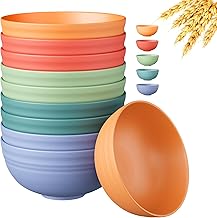
4. Quatish 10-Piece Plastic Cereal Bowl Set
Unlike many camping bowls that feel flimsy, wobble, or become frustrating to clean, the Quatish 10-Piece Plastic Cereal Bowl Set offers a simple stack of lightweight serving pieces for snacks, cereal, soup, and portions away from home. The ten-piece format is useful when every camper wants a dedicated bowl, rather than sharing a cramped mix of mismatched containers after a day outdoors, especially for families or friends traveling together.
The small size suits a picnic table, tent-side brunch, or RV cabinet, while the plastic construction should be appreciated by travelers who prefer not to pack breakable ceramic. A cereal bowl is a deceptively useful campsite item: it can hold dry cereal, snacks, fruit, ramen toppings, or a small serving of soup. The set is more versatile than its narrow name suggests in a packed vehicle.
What stands out is the combination of count and portability: ten matching bowls can serve a small group or support meal prep without requiring delicate tableware. For the best camping experience, check the manufacturer’s food-contact and temperature guidance before using them for hot soup, and confirm the dimensions if a bowl holder or compact drawer is tight. They look most practical for everyday casual use where packing space is scarce.
- Ten bowls provide individual servings for a group
- Lightweight plastic avoids breakable ceramic pieces
- Matching design creates a coordinated table
- Useful for cereal, snacks, fruit, and soup
- Compact size suits picnic tables and RV storage
- Versatile enough for brunches and casual dinners
- Small bowls may be insufficient for larger meals
- Check temperature guidance before serving hot food
Get the Quatish 10-Piece Plastic Cereal Bowl Set now:
5. Farberware 0.7 Cu. Ft. Stainless Microwave Presets
Picture arriving at a rain-soaked campsite after driving all afternoon and wanting a hot dinner without wrestling a stove in the dark. The Farberware 0.7 Cu. Ft. Stainless Microwave Presets puts a compact 700-watt reheating option on a powered counter, sized for a mug, bowl, or leftover container without crowding the rest of the camp kitchen. It is especially welcome when everyone is tired, wet, and ready to eat.
For RV renters, camper-van owners, and cabin guests, automatic cook settings and defrost can reduce guesswork when preparing familiar meals. The stainless exterior suits a conventional kitchen setup, while the child safety lock helps keep a curious youngster from activating the controls. Easy-clean wording should not be mistaken for a self-cleaning cavity; routine wiping and spill removal are still important. Stains and spills become harder to remove if left overnight.
Best for campers who value straightforward cooking aids and a modest counter footprint, this model is more practical than a full-size unit for individual portions. Its 0.7-cubic-foot interior will not comfortably fit oversized dinner plates, and 700 watts means some foods need additional heating time. Use it only on a dry, level surface with adequate ventilation, preferably inside a cabin or sheltered kitchen.
- Automatic cook settings reduce everyday guesswork
- Defrost function expands meal-preparation options
- Child safety lock adds household control
- Stainless exterior complements common appliances
- Compact capacity fits individual portions
- Simple format suits cabins and camper vans
- Easy-clean construction still requires manual wiping
- Small interior limits large plates and portions
Get the Farberware 0.7 Cu. Ft. Stainless Microwave Presets now:
6. Rubtlamp 16-Piece Wheat Straw Dinnerware Set
For the price, the Rubtlamp 16-Piece Wheat Straw Dinnerware Set delivers a coordinated four-person table setup rather than a single plate or bowl. It is a practical value for campers who want recognizable place settings that pack easily, survive knocks better than ceramic, and keep meals separate without bringing a whole case of glassware into the woods. It simplifies setup and reduces the number of items to pack.
The unbreakable, lightweight construction is especially useful around children, dogs, and rocky picnic tables, where a dropped dish is more likely on every camping trip. The listing describes the set as microwave safe, adding convenience for reheating at a powered campsite or cabin, but users should still follow the manufacturer’s instructions about fill levels, temperature, and food contact. Hot meals still deserve stable handling. (See Also:Best Glass Microwave Splatter Cover Reviews)
Best for families or friend groups comparing cost per place, the main appeal is how much tableware arrives together. Wheat-straw material looks more substantial than disposable plastic, yet the pieces can still stack for storage in an RV cabinet or a larger camp box. Expect a lightweight, modern-looking set designed for everyday convenience rather than formal dining; the real test is whether 16 pieces match your group’s actual placeware needs.
- Coordinated set provides tableware for four people
- Lightweight material reduces carrying burden
- Unbreakable construction suits active campsites
- Pieces can stack in RV cabinets and camp boxes
- Listed microwave-safe use adds reheating convenience
- Reusable alternative to disposable tableware
- Sixteen pieces may not suit every group composition
- Follow manufacturer instructions for microwave heating
Get the Rubtlamp 16-Piece Wheat Straw Dinnerware Set now:
A Complete Guide to Buying Small Microwave For Camping
1. What Is a small microwave for camping?
A small microwave for camping is a compact, portable appliance designed specifically for use in outdoor environments. These units typically range from 0.5 to 1.5 cubic feet in size and are engineered to operate on 12V DC power, standard household AC, or even propane in some cases. They’re ideal for campers who want to reheat pre-cooked meals, melt butter for baking, or simply heat beverages without relying solely on camp stoves. This type of microwave is particularly valuable for RV enthusiasts, overland travelers, and car campers who have access to electrical outlets but need compact cooking solutions. The primary benefit is convenience—you can quickly warm your food without needing to fire up a full camp stove or wait for pots to boil on a campfire.
2. Key Features That Actually Matter
Not all small microwave for camping models are created equal. Here are the essential features to evaluate before making your purchase decision:
- Performance in everyday scenarios: Look for consistent power output ratings of at least 600 watts to ensure even heating without hot spots or undercooked centers.
- Build quality and durability: Search for models with reinforced corners, sturdy handles, and fire-resistant materials that can withstand the rigors of travel and outdoor storage.
- Ease of setup and maintenance: Choose units with simple plug-and-play operation, easy-to-clean interiors, and straightforward control panels that work even with gloves on.
- Size and capacity fit: Measure your available storage space and consider how often you’ll need to heat larger items like lasagna or whole meals versus just beverages.
- Value at different budgets: Entry-level models under $100 offer basic functionality, while mid-range options around $150-200 typically include better build quality and additional features.
- Brand reliability and warranty: Established manufacturers with longer warranty periods (2-3 years) often provide better customer support and replacement parts availability.
- Compatibility with existing setups: Ensure the microwave’s power requirements match your electrical system, whether that’s a standard household outlet, RV inverter, or dedicated 12V DC adapter.
3. How to Choose the Right small microwave for camping
Your selection should align with how frequently you’ll use the microwave and your specific camping style. Casual weekend campers may prioritize affordability and basic functionality, while full-time RV residents or frequent travelers should invest in more robust models with enhanced durability features. Consider your typical meal preparation needs—if you mostly need to heat beverages and reheat leftovers, a smaller 0.7 cubic foot unit may suffice. However, if you regularly prepare full meals, look for models with at least 1.0 cubic foot capacity to accommodate larger dishes. Budget considerations are equally important; while premium models offer advanced features, many excellent mid-range options provide exceptional value for regular camping use. Match your expectations with the appropriate tier from our top 6 recommendations based on your usage patterns and financial constraints.
4. Common Buyer Mistakes to Avoid
- Ignoring power requirements: Many first-time buyers select a microwave without checking compatibility with their power source, leading to either no operation or potential damage to their electrical system.
- Overlooking size constraints: Purchasing a unit too large for available storage space creates practical problems and reduces the overall utility of the appliance for camping trips.
- Focusing solely on wattage without considering actual cooking performance: Higher wattage doesn’t automatically mean better results if the unit lacks proper turntable design or adequate ventilation.
- Not researching maintenance requirements: Some compact microwaves require special cleaning products or have interior surfaces that stain easily, creating long-term ownership issues.
- Underestimating the importance of warranty and customer support: Inexpensive models with limited warranties can become costly problems if they fail during your trip.
Questions About Small Microwave For Camping? We Have Answers
How do I connect a small microwave for camping to my RV’s electrical system?
Most small microwave for camping units are designed to operate on standard household AC power (120V). For RV use, you’ll typically need either a quality inverter rated for the microwave’s wattage or access to a campsite hook-up. Always check your microwave’s power requirements before purchasing, and ensure your RV’s electrical system can handle the load. Some models are specifically designed for 12V DC operation, which eliminates the need for an inverter but may limit your cooking options. When connecting through an inverter, account for the conversion efficiency loss—your microwave will draw more DC power than its AC rating indicates.
Are small microwave for camping models safe to use in enclosed spaces like tents?
Safety is paramount when using any microwave in confined outdoor environments. Look for models with built-in safety features like automatic shut-off, overheating protection, and proper ventilation. Never operate a microwave in a fully enclosed tent space without adequate airflow—always use it in an open area or well-ventilated section. Ensure the unit has appropriate electrical grounding and UL or CSA safety certification. Check that all vents remain unobstructed during operation, and never leave a running microwave unattended, especially in outdoor settings where wildlife or weather conditions could pose risks.
What’s the typical lifespan of a small microwave for camping? (See Also:Best Tiniest Microwave Oven Reviews)
The lifespan of a small microwave for camping depends heavily on build quality, usage frequency, and care during storage and transport. Higher-end models constructed with durable materials and better components can last 5-7 years with regular use, while budget-friendly options may need replacement after 2-3 years. Proper maintenance, including gentle cleaning and protection from moisture and extreme temperatures during storage, significantly extends longevity. Avoid exposing the unit to excessive heat in vehicles parked in the sun, and always dry the interior thoroughly after outdoor use to prevent mold or corrosion issues that can shorten the appliance’s useful life.
Can I use a small microwave for camping during power outages or dry camping?
Yes, but with limitations. When dry camping or experiencing power outages, you’ll need either a sufficiently sized portable generator, a high-capacity battery inverter system, or a model specifically designed for 12V DC operation. Standalone battery-powered microwaves exist but are typically expensive and have reduced power output. For most campers, powering a microwave through an RV’s inverter system requires careful power management, as these units can draw significant amperage. Calculate your available power budget before planning to use a microwave during extended off-grid periods to avoid draining your batteries completely.
How important is weight when choosing a small microwave for camping?
Weight becomes a critical factor for backpack campers or those frequently moving between campsites, but less so for RV or car campers with vehicle access. Lightweight models typically weigh 20-30 pounds, while heavier-duty units may exceed 40 pounds. Consider whether you’ll need to carry the microwave a significant distance—if so, look for units with built-in handles and ergonomic design. However, weight often correlates with durability and performance, so backpack campers may need to balance portability against functionality. For vehicle-based camping, prioritize features and build quality over weight savings.
Final Verdict
Choosing the right small microwave for camping ultimately comes down to matching your specific outdoor lifestyle with the features that matter most for your situation. Whether you’re a weekend warrior hitting the campsite or a full-time RVer calling your rig home, there’s a compact microwave solution that fits your needs perfectly. The key is understanding your usage patterns, power availability, and space constraints before making your final decision. Take the time to review our top picks and consider how each model aligns with your camping philosophy. With proper research and realistic expectations, you can find a small microwave for camping that enhances your outdoor culinary experience for years to come.