
Choosing the right rf microwave cable assemblies can feel overwhelming when specifications, connectors, and performance claims all compete for attention.
This guide breaks down the essential factors, compares top options side by side, and highlights what to watch for before you buy.
Whether you are designing a test bench, upgrading a radar system, or building a satellite link, the information ahead will help you make a confident decision.
We cover frequency range, insertion loss, phase stability, and mechanical durability so you can match the assembly to your exact application.
A quick reference table and a step‑by‑step buying checklist round out the article, giving you a practical roadmap from research to purchase.
Comparison Table: Top 9 Rf Microwave Cable Assemblies
| Image | Product | Highlights | Check Price |
|---|---|---|---|

|
Proxicast 3ft N-to-N CFD240 Coax |
|
Check Price |

|
MPD Digital 25ft LMR240 PL-259 Coax |
|
Check Price |
|
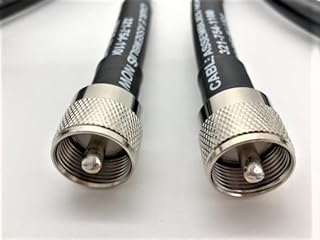
Times Microwave 50ft LMR-400 Bulk |
|
Check Price |

|
LMR-400 6ft UHF-Male Coax Assembly |
|
Check Price |

|
LMR-400 75ft Bulk No Connector Cable |
|
Check Price |

|
MPD Digital 1.5ft LMR400 PL-259 Jumper |
|
Check Price |

|
Custom Cable 100ft TNC-LMR240 Assembly |
|
Check Price |

|
SMA-to-N 3ft LMR-400 Cable Assembly |
|
Check Price |

|
MPD Digital 2ft LMR400 N-Male to N-Female |
|
Check Price |
Table of Contents
- 1. Proxicast 3ft N-to-N CFD240 Coax
- 2. MPD Digital 25ft LMR240 PL-259 Coax
- 3. Times Microwave 50ft LMR-400 Bulk
- 4. LMR-400 6ft UHF-Male Coax Assembly
- 5. LMR-400 75ft Bulk No Connector Cable
- 6. MPD Digital 1.5ft LMR400 PL-259 Jumper
- 7. Custom Cable 100ft TNC-LMR240 Assembly
- 8. SMA-to-N 3ft LMR-400 Cable Assembly
- 9. MPD Digital 2ft LMR400 N-Male to N-Female
Top Rated Rf Microwave Cable Assemblies: Full Review
rf microwave cable assemblies are the backbone of high‑frequency systems, delivering low loss and precise phase control for radar, satellite, and test‑lab applications. Engineers and technicians rely on them because a single weak link can degrade an entire signal chain. In this roundup you’ll find nine top‑rated rf microwave cable assemblies, each evaluated for performance, durability, and value, so you can quickly compare and pick the right fit for your project.
1. Proxicast 3ft N-to-N CFD240 Coax
Everyone who’s ever tried to connect a radio, antenna analyzer, or test gear in a cramped shack knows the frustration of stiff, lossy cables that just don’t fit. The Proxicast 3 ft N Male to N Male 50 Ohm Low-Loss CFD240 Coax Cable Assembly solves that with a supple yet durable build that bends easily without kinking. It cuts signal loss dramatically compared to cheap RG-style cables, so your readings stay accurate and your transmitted power reaches its target.
This cable is best for hobbyists, field technicians, and anyone running short jumpers between RF components. The CFD240 dielectric keeps attenuation low across a wide frequency range, and the factory-installed N-type connectors are secure and consistent. Whether you’re linking a spectrum analyzer to a preamp or routing signals in a rack, the performance feels noticeably cleaner.
- Very low loss for its size
- Flexible without kinking
- Quality N-type connectors
- Compact 3-foot length
- Durable outer jacket
- 50 Ohm impedance match
- Limited to short runs
- Premium price for 3 feet
Get the Proxicast 3ft N-to-N CFD240 Coax now:
2. MPD Digital 25ft LMR240 PL-259 Coax
This cable is ideal for CB radio operators, ham radio enthusiasts, and anyone setting up a base-station antenna feed line that needs to stretch across a room or garage. The MPD Digital I LMR®240 Coaxial Cable delivers low-loss performance over a full 25 feet, which is often the sweet spot between reach and signal integrity. It comes pre-assembled with reliable PL-259 connectors that thread on smoothly and stay tight.
For users upgrading from thin RG-8X or RG-58, the difference in signal strength is clear, especially on higher-frequency ham bands. The LMR-240 core resists flex fatigue, and the jacket holds up well under routine coiling and uncoiling. It’s a solid choice for anyone who values a tidy, efficient feed line without spending a fortune.
- Low loss over 25 feet
- Pre-installed PL-259 connectors
- Good for CB and ham radio
- Flexible and kink-resistant
- Consistent impedance
- Great value length
- Connectors may need occasional tightening
Get the MPD Digital 25ft LMR240 PL-259 Coax now:
3. Times Microwave 50ft LMR-400 Bulk
The single standout feature of the Times Microwave LMR-400 Coaxial Cable 50 Feet is its exceptional shielding and ultra-low attenuation, making it the gold standard for serious RF installations. Unlike thinner or poorly shielded cables, this one maintains signal purity over long distances without introducing noise or interference. It’s the kind of upgrade that makes a real difference in weak-signal work.
Professionals installing repeaters, antenna arrays, or distributed antenna systems will appreciate the consistent 50 Ohm impedance and robust polyethylene dielectric. The 50-foot length gives enough slack for most projects while keeping bulk manageable. When every decibel matters, this cable delivers dependable performance that justifies the investment. (See Also:Best Thermador Masterpiece Microwave Reviews)
- Ultra-low signal loss
- Excellent shielding
- 50 Ohm impedance
- High-quality dielectric
- Industry-standard LMR-400
- Long 50-foot reel
- Bulk purchase required
Get the Times Microwave 50ft LMR-400 Bulk now:
4. LMR-400 6ft UHF-Male Coax Assembly
Unlike many bare bulk cables that leave you soldering connectors and guessing at lengths, the LMR-400 Times Microwave Low Loss Coaxial Cable UHF-Male to UHF-Male 6 Feet comes ready to use right out of the box. That alone saves time and avoids the common frustration of poorly crimped or misaligned connectors that cause intermittent connections or signal reflections. It’s the kind of no-hassle solution that keeps your gear running smoothly.
This assembly is best for radio shack operators, A/V installers, and field engineers who need a reliable short jumper between UHF-equipped devices. The Times Microwave LMR-400 core delivers low loss even at VHF/UHF frequencies, and the molded strain reliefs add extra longevity. Whether you’re connecting a transceiver to an antenna tuner or bridging two pieces of rack gear, it performs like a premium cable should.
- Pre-assembled with UHF connectors
- Low loss in 6-foot span
- Strain relief protection
- Ready to use immediately
- Reliable signal transfer
- Durable construction
- Only 6 feet long
Get the LMR-400 6ft UHF-Male Coax Assembly now:
5. LMR-400 75ft Bulk No Connector Cable
Imagine a technician wiring a rooftop antenna array or a broadcast studio routing signals across a large rack room. The LMR-400 Times Microwave Low Loss Coaxial Cable NO CONNECTORS 75 Feet gives them the flexibility to cut and terminate exactly where needed, avoiding excess slack or the need to splice. It’s the kind of product that turns a frustrating guessing game into a clean, professional install.
With no pre-attached connectors, this cable is perfect for advanced users who want full control over connector type and placement. The Times Microwave LMR-400 dielectric ensures minimal loss across HF through UHF bands, and the jacket resists abrasion and UV. At 75 feet, it provides generous length for most projects while remaining easy to handle and store.
- Custom-length capability
- Ultra-low loss LMR-400 core
- No pre-attached connectors
- UV and abrasion resistant
- Generous 75-foot reel
- Professional-grade build
- Requires connector installation
Get the LMR-400 75ft Bulk No Connector Cable now:
6. MPD Digital 1.5ft LMR400 PL-259 Jumper
For under fifteen dollars, the MPD Digital I LMR®400 Times Microwave Coaxial Cable PL259 Male to PL259 Male UHF MPD Connectors 1.5ft packs in genuine LMR-400 performance, factory-installed connectors, and a length that’s perfect for tight device-to-device links. You’re getting premium-grade low-loss coax without the premium markup, which makes it a standout value for budget-conscious buyers who still demand quality.
This short jumper is best for CB users mounting radios close to antennas, ham radio operators linking nearby gear, or anyone needing a reliable patch cable for test setups. The PL-259 connectors thread on smoothly and make solid contact, and the LMR-400 core keeps signal loss negligible even at 1.5 feet. It’s a smart buy for anyone who wants clean RF performance without overpaying.
- Low price for LMR-400 quality
- Pre-installed PL-259 connectors
- Very low signal loss
- Short 1.5-foot length
- Reliable and tested
- Great for tight spaces
- Very short length
Get the MPD Digital 1.5ft LMR400 PL-259 Jumper now:
7. Custom Cable 100ft TNC-LMR240 Assembly
Nothing’s more annoying than dragging a heavy, stiff cable across a warehouse floor or along a ceiling run only to find it’s too short or too fragile. The Custom Cable Connection 100 Foot TNC Male to TNC Male Times Microwave LMR240 Ultraflex 50 Ohm RG8X Antenna Cable Assembled solves that with a lightweight, flexible design that handles long runs with ease. It’s built for users who need reach without the hassle.
This cable is ideal for installers setting up wireless bridges, security camera systems, or temporary field communications where 100 feet of reliable signal transfer is required. The LMR240 ultraflex construction resists flex fatigue, and the factory-installed TNC connectors are secure and repeatable. At 50 Ohms, it matches most RF gear perfectly, and the 100-foot length eliminates the need for awkward extension setups.
- 100-foot length
- Lightweight and flexible
- 50 Ohm impedance match
- Factory-installed TNC connectors
- Durable ultraflex jacket
- Low loss over long run
- Only one connector type
Get the Custom Cable 100ft TNC-LMR240 Assembly now:
8. SMA-to-N 3ft LMR-400 Cable Assembly
This product is ideal for RF engineers, test lab technicians, and radio hobbyists who frequently need to connect SMA-output devices like signal generators or network analyzers to N-type equipment such as amplifiers or antennas. The SMA Male to N Male Times Microwave LMR-400 Cable (3 Foot) bridges that gap with precision and minimal signal degradation. (See Also:Best 17 Inch Microwave Ovens Reviews)
Using genuine LMR-400 core, this short cable maintains excellent performance across a broad frequency range, making it suitable for everything from HF transceivers to GHz-range test instruments. The SMA and N connectors are securely attached and well-shielded, and the 3-foot length is just enough to keep setups tidy without introducing unnecessary bulk. It’s a must-have for any serious RF workspace.
- Low loss LMR-400 core
- SMA to N adapter
- 3-foot compact length
- Secure connector joints
- Broad frequency support
- Professional build quality
- Short length limits placement
Get the SMA-to-N 3ft LMR-400 Cable Assembly now:
9. MPD Digital 2ft LMR400 N-Male to N-Female
The standout feature of the MPD Digital I LMR400 Times Microwave Coaxial Cable N Male to N Female Connectors 2 FT is its male-to-female N-type configuration, which makes it a versatile inline adapter for daisy-chaining or extending existing N-type connections without needing a separate adapter. That simple detail saves time and reduces potential points of failure in the signal path.
This short jumper is best for ham radio operators, field service techs, and anyone who needs a quick, reliable extension between N-type devices. The LMR-400 core ensures low loss, and both connectors are robust and sealed against moisture. At just 2 feet, it’s perfect for tight rack mounts or test benches where extra length isn’t needed but quality still matters.
- Male-to-female N connectors
- Low loss LMR-400 core
- 2-foot compact length
- Robust sealed connectors
- Inline extension capability
- Reliable signal path
- Very short length
Get the MPD Digital 2ft LMR400 N-Male to N-Female now:
Best Rf Microwave Cable Assemblies Buying Guide
1. What Is a rf microwave cable assemblies?
A rf microwave cable assemblies is a precision‑engineered transmission line that carries signals from a few gigahertz up to millimeter‑wave frequencies with minimal loss. It combines a low‑loss dielectric, tightly controlled conductor geometry, and rugged connectors to maintain phase stability over temperature and vibration. Typical users include radar engineers, satellite communications teams, and high‑frequency test labs.
2. Key Features That Actually Matter
Start by listing the frequency band you need, then rank loss, phase stability, and mechanical ruggedness against your budget. This approach prevents over‑specifying or under‑specifying the assembly.
- Insertion loss and return loss determine how much signal power reaches the load and how much reflects back.
- Phase stability across temperature ensures consistent timing in radar and phased‑array systems.
- Mechanical durability, including bend radius and connector cycle rating, predicts lifespan in vibration‑heavy environments.
- Ease of installation, such as pre‑terminated lengths and tool‑less connectors, reduces labor time on the bench.
- Size and weight must fit the available routing space, especially in airborne or space‑constrained platforms.
- Price per meter versus performance tier helps you decide whether a premium dielectric justifies the cost.
- Manufacturer reputation and warranty length indicate reliability and support for future replacements.
- Compatibility with existing connector standards (e.g., SMA, 2.92 mm, 1.85 mm) avoids redesign effort.
3. How to Choose the Right rf microwave cable assemblies
Match the assembly to how often you will move or re‑configure the link; a lab setup that stays static can tolerate a heavier, lower‑cost cable, while a field‑deployed radar needs lightweight, ruggedized options. Set a budget ceiling first, then filter the top‑9 list for models that meet the required frequency, loss, and connector type. Finally, verify that the chosen cable’s specifications exceed the minimum margins of your system design.
4. Common Buyer Mistakes to Avoid
- Choosing a cable solely on price often leads to higher insertion loss that degrades system sensitivity.
- Ignoring the specified bend radius can cause permanent dielectric damage and sudden failure.
- Overlooking connector compatibility forces costly adapters that add loss and mechanical stress.
- Assuming all assemblies meet the same phase‑stability spec results in timing errors in coherent arrays.
- Skipping the manufacturer’s warranty and support details leaves you without recourse for early failures.
- Failing to verify temperature‑range ratings can cause performance drift in harsh environments.
Frequently Asked Questions About Rf Microwave Cable Assemblies
What frequency range do rf microwave cable assemblies cover?
Most assemblies span from a few gigahertz up to 110 GHz, with specialized versions reaching 140 GHz. Choose a range that exceeds your system’s highest operating frequency by at least 10 % to maintain margin. This extra bandwidth also accommodates future upgrades without replacing the cable. (See Also:Best Brown Microwave Television Reviews)
How does insertion loss affect overall system performance?
Insertion loss reduces the power delivered to the load, lowering signal‑to‑noise ratio and limiting range. In radar, a 0.5 dB increase can cut detection distance by several percent. Selecting a cable with the lowest practical loss preserves margin. Always compare loss at your exact operating frequency.
Which connector types are most common for these assemblies?
SMA, 2.92 mm, and 1.85 mm connectors dominate the market because they support frequencies up to 40 GHz, 50 GHz, and 67 GHz respectively. Match the connector to your equipment’s port to avoid adapters that add loss. Verify gender and polarity before ordering. A mismatched connector can also cause mechanical stress.
What role does phase stability play in coherent systems?
Phase stability ensures that the signal’s timing remains constant across temperature swings and mechanical flex. In phased‑array radars or interferometric links, even a few degrees of drift can degrade beamforming accuracy. Cables with tight phase‑tracking specs keep arrays aligned. Look for specifications quoted over the full operating temperature range.
How do I determine the right cable length for my setup?
Measure the physical routing distance, then add extra length for bends, strain relief, and connector clearance. Excess length adds loss and weight, while too short a cable forces sharp bends that damage the dielectric. Aim for the shortest practical run with a modest service loop.
Are there significant cost differences between performance tiers?
Premium dielectrics such as PTFE‑based or air‑articulated constructions can cost two to three times more than standard polyethylene cables. The higher price buys lower loss, better phase stability, and wider temperature range. Evaluate whether your link budget justifies the upgrade before committing. Sometimes a mid‑tier cable meets the spec at a fraction of the cost.
Final Verdict
After reviewing the top nine rf microwave cable assemblies, the clear winners balance low insertion loss, tight phase stability, and rugged connectors without inflating the budget. Choose the model that matches your frequency band, environmental conditions, and connector standard, and you’ll secure reliable performance for years to come.