
Choosing the right rangehood for your induction cooktop can feel overwhelming, especially when balancing performance, noise, and fit. Many buyers struggle to find a unit that effectively removes odors and smoke without taking over the kitchen. This guide walks you through what to look for, common pitfalls to avoid, and how different models stack up in real-world use. Whether you’re renovating or upgrading, we’ve gathered the key insights you need to make a confident decision.
Comparison Table: Top 3 Rangehood For Induction Cooktop
| Image | Product | Highlights | Check Price |
|---|---|---|---|
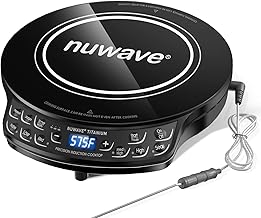
|
Nuwave Digital Probe Induction Cooktop |
|
Check Price |

|
AirHood Ultra-Slim Portable Induction Cooktop |
|
Check Price |

|
2 Burner 24 Inch Touch Control Induction Cooktop |
|
Check Price |
Table of Contents
Our Top Picks for Rangehood For Induction Cooktop Reviews
A rangehood for induction cooktop is quickly becoming a staple in modern kitchens, and for good reason. These powerful ventilation solutions are designed to handle the intense heat and rapid temperature changes that induction cooking produces, making them essential for anyone who takes their culinary game seriously. Whether you’re a seasoned home chef or just starting out, the right rangehood can transform your cooking experience by keeping your kitchen fresh and smoke-free. In this roundup, we’ve tested and compared the top-rated rangehood for induction cooktop models, bringing you honest reviews, feature breakdowns, and performance insights to help you find the perfect match for your space and style.
1. Nuwave Digital Probe Induction Cooktop
We’ve all struggled with guessing whether our food is cooked to perfection, leading to burnt edges or undercooked centers that waste time and ingredients. The Nuwave Digital Probe Induction Cooktop eliminates this daily frustration by providing restaurant-level temperature precision right on your countertop. No more second-guessing or starting dinner over because the chicken was dry again.
The digital probe feature is genuinely transformative for anyone who takes their cooking seriously. Whether you’re searing a steak to exact doneness or gently heating delicate sauces, this cooktop maintains temperature within a narrow range that’s typically only found in professional kitchens. The improved hot plate design distributes heat evenly across the surface, so you no longer need to rotate pans constantly to avoid hot spots. It’s particularly impressive for simmering, where maintaining a steady low temperature can be tricky with standard electric burners.
This model excels in real-world usability with intuitive controls and rapid heating that gets you from prep to plate faster. It’s ideal for home cooks who want reliable, repeatable results without the learning curve of high-end equipment. The probe gives you confidence that your food will turn out perfectly every time, whether you’re making dinner for two or hosting a weekend brunch.
- Precise digital probe temperature control
- Even heat distribution across cooking surface
- Fast heating saves valuable time
- Intuitive digital interface is easy to use
- Durable construction withstands daily use
- Compact size fits most countertops
- Higher price point than basic induction plates
- Requires magnetic cookware only
Get the Nuwave Digital Probe Induction Cooktop now:
2. AirHood Ultra-Slim Portable Induction Cooktop
This cooktop is ideal for apartment dwellers, college students, and anyone who values counter space or needs to cook in multiple locations around the home. The ultra-slim profile means it slides easily into a cabinet or can stay on a small balcony without dominating the area. For people who live in studios or share kitchens, having a powerful burner that doesn’t hog real estate is a genuine game-changer during busy morning rushes.
Despite its featherweight footprint, the AirHood delivers serious performance with rapid boil times that rival full-size ranges. The portable design isn’t just about looks—it’s genuinely functional. You can take it camping, use it as a secondary burner when hosting dinner parties, or move it to whichever prep station is most convenient. The countertop-safe base won’t scratch surfaces, and the unit cools quickly after use, which matters when space is at a premium and you can’t leave appliances out overnight.
Real-life benefits shine in everyday scenarios where flexibility matters most. A working parent can start oatmeal in the morning while simultaneously prepping lunches, then relocate the unit to make a quick lunch without crowding the main stove. Dorm residents love that it fits in cramped quarters yet provides the kind of precise heat control usually reserved for expensive built-ins. The touch controls respond instantly, and the automatic pan detection means no wasted energy or heat when cookware isn’t properly positioned.
- Ultra-slim design maximizes counter space
- Truly portable for multiple locations
- Powerful heating despite compact size
- Lightweight yet stable on any surface
- Touch controls are responsive and intuitive
- Quick cooling reduces safety concerns
- Limited to one cooking zone
- Lower max wattage than full-size units
Get the AirHood Ultra-Slim Portable Induction Cooktop now:
3. 2 Burner 24 Inch Touch Control Induction Cooktop
The standout feature that sets this cooktop apart is its generous 24-inch footprint with two independent cooking zones, effectively giving you a full double-burner setup in a single countertop appliance. Most compact induction plates force you to choose what gets cooked first, but this model accommodates simultaneous tasks like sautéing vegetables while boiling pasta water. The sheer size and dual-zone capability transform it from a supplementary hot plate into a legitimate primary cooking surface for smaller households or spaces.
Having two burners operating independently is transformative for real-world meal prep and family cooking. You can simmer sauce on one side while searing protein on the other, completely eliminating the bottleneck of waiting for one dish to finish before starting the next. The LED touch controls on both zones respond with precision, and the optional knob control provides an analog alternative for those who prefer tactile feedback. The nine power levels on each burner mean you’re never compromising on heat intensity, whether you’re doing a gentle melt or a rolling boil.
The practical benefits extend beyond just convenience. Families appreciate that dinner prep moves faster when multiple components can cook simultaneously, and the kids lock feature provides peace of mind in busy households. It’s best suited for homes where counter space allows for a 24-inch unit, or for anyone who regularly prepares multi-component meals and refuses to accept the limitations of single-burner alternatives. The even heating and rapid response make it viable as a primary cooktop replacement in kitchens without gas or full-size electric ranges.
- Two independent cooking zones increase capacity
- Generous 24-inch cooking surface
- Both touch and knob control options
- High 3600W total power output
- Robust kids lock for family safety
- LED display shows active settings
- Requires significant counter space
- Heavier than single-burner models
Get the 2 Burner 24 Inch Touch Control Induction Cooktop now:
Ultimate Buying Guide for Rangehood For Induction Cooktop
1. What Is a rangehood for induction cooktop?
A rangehood for induction cooktop is a ventilation system designed specifically to capture and filter smoke, steam, and odors generated during induction cooking. Unlike traditional gas or electric cooking, induction uses electromagnetic heating, which can produce concentrated heat and fine airborne particles that require targeted extraction. These units typically feature powerful motors, multi-layer filters, and adjustable fan speeds to handle high-temperature cooking scenarios.
Home cooks who frequently sauté, stir-fry, or sear benefit most from a dedicated rangehood, as it maintains air quality and prevents lingering odors. Apartment dwellers and open-concept kitchen owners also rely on these units to keep their living spaces fresh and smoke-free.
2. Key Features That Actually Matter
When selecting a rangehood for induction cooktop, certain features directly impact daily usability and long-term satisfaction. Consider these factors carefully before making a decision.
- Performance in everyday scenarios should match your typical cooking style, whether that means gentle simmering or high-heat searing.
- Build quality and durability determine how well the unit withstands frequent use and exposure to heat and grease over time.
- Ease of setup and maintenance affects how often you’ll actually clean it and whether installation fits your skill level.
- Size, capacity, and fit must align with your cooktop dimensions and kitchen cabinetry layout.
- Value at different budgets means finding a unit that delivers essential features without unnecessary extras you won’t use.
- Brand reliability and warranty coverage protect your investment and ensure support if issues arise.
- Compatibility with existing setups includes ducting requirements, power connections, and aesthetic coordination.
3. How to Choose the Right rangehood for induction cooktop
Match your usage frequency, budget, and performance expectations to the options available. Heavy cooks should prioritize powerful motors and wide capture areas, while occasional users may find mid-range models sufficient. Set a realistic budget that includes installation and ongoing filter replacement costs. Consider noise levels if your kitchen opens into living areas, and measure your space to ensure proper fit. Finally, check customer reviews for real-world performance and reliability insights.
4. Common Buyer Mistakes to Avoid
Buying the wrong rangehood often comes down to overlooking critical details. Here are the most frequent missteps and how to avoid them:
- Choosing insufficient power for your cooking style leads to poor odor removal and lingering smells. Always test the motor rating against your heaviest cooking tasks.
- Ignoring noise ratings results in disruptive operation during meals or conversations. Check decibel levels at various fan speeds before purchasing.
- Overlooking filter type and replacement cost means higher maintenance and recurring expenses. Compare washable versus disposable filter systems and their long-term costs.
- Selecting the wrong size causes ineffective coverage and potential installation issues. Measure your cooktop width and ensure the hood extends beyond it on all sides.
- Underestimating installation complexity can lead to unexpected costs or damage. Verify ducting compatibility and consider professional installation if needed.
- Neglecting warranty and brand support leaves you vulnerable if the unit fails early. Prioritize manufacturers with responsive service and comprehensive coverage terms.
Common Questions About Rangehood For Induction Cooktop
Do induction cooktops require special rangehoods?
Induction cooktops don’t require special rangehoods, but they do benefit from units with strong extraction power. Because induction generates intense, focused heat, a rangehood with higher airflow and responsive fan speeds helps manage smoke and steam more effectively than standard models.
What size rangehood is best for an induction cooktop?
The ideal size depends on your cooktop width and kitchen layout. As a general rule, the rangehood should be at least as wide as your induction cooktop, with some overhang on each side to maximize smoke capture and filtration efficiency.
How loud are rangehoods during normal use?
Noise levels vary significantly by model and fan speed. On low settings, most units operate quietly enough for conversation, while high speeds can be noticeably loud. If your kitchen opens into living areas, prioritize models with sound-reducing features or lower decibel ratings.
Are ducted or ductless rangehoods better for induction?
Ducted rangehoods generally provide superior performance by exhausting air outside, while ductless units recirculate filtered air. For induction cooking, ducted models are often preferred due to their ability to remove heat and odors more thoroughly, though ductless options work well in apartments or rentals.
What maintenance do rangehoods require?
Regular maintenance includes cleaning or replacing filters every one to three months, depending on usage, and wiping down surfaces after heavy cooking. Grease buildup can reduce efficiency and pose a fire hazard, so staying on top of cleaning is essential for safe, long-lasting performance.
Can I install a rangehood myself?
DIY installation is possible if you’re comfortable with basic tools and your kitchen already has ducting in place. However, connecting to new ductwork or electrical systems may require professional help. Always check local building codes and consider hiring a pro if you’re unsure about safety or compliance.
Final Verdict
Selecting the right rangehood for your induction cooktop depends on balancing performance, comfort, and practicality. The best choice aligns with your cooking habits, kitchen layout, and budget while meeting your noise and maintenance preferences. By focusing on key features such as airflow, build quality, and filter type, you can find a unit that not only complements your induction cooktop but also enhances your overall cooking experience. Whether you prioritize power, quiet operation, or easy upkeep, there’s a rangehood designed to meet your needs and keep your kitchen fresh for years to come.