
Choosing the right microwave kiln for raku can feel overwhelming, especially when you’re balancing creative needs with practical considerations. Whether you’re a seasoned ceramicist or an artist exploring raku techniques for the first time, finding equipment that delivers consistent results without compromising safety or convenience is essential. This guide takes you through everything you need to know before making a purchase, from understanding how these specialized kilns work to identifying the features that truly matter in everyday use. We’ve compiled a detailed comparison table highlighting key specifications across top-rated models, helping you quickly spot which options align with your workflow and budget. Alongside our curated top picks, you’ll find expert-backed buying tips that cut through marketing noise and focus on real-world performance, durability, and value. By the end, you’ll have a clear roadmap for selecting a microwave kiln for raku that not only meets your artistic vision but also stands up to years of creative exploration.
Microwave Kiln For Raku Comparison Chart: Top 10 Picks
| Image | Product | Highlights | Check Price |
|---|---|---|---|
|
Full Size Microwave Kiln with 50 Papers |
|
Check Price |

|
Tujoe Large Microwave Kiln with 50-Paper Set |
|
Check Price |

|
Jutom 100-Sheet 4.7-Inch Round Ceramic Fiber Paper |
|
Check Price |

|
Large Microwave Kiln for Glass Fusing |
|
Check Price |

|
Thinfire 5 x 5-Inch Kiln Paper, 30 Sheets |
|
Check Price |

|
Large Microwave Kiln with 60 Kiln Papers |
|
Check Price |

|
WICAND 15-Piece Microwave Glass-Fusing Set |
|
Check Price |

|
MUCOFEI 100-Sheet 4.7-Inch Round Kiln Paper |
|
Check Price |

|
ThinFire 4.7-Inch Round Kiln Paper, 30 Sheets |
|
Check Price |

|
Large Microwave Kiln for Jewelry Glass Fusing |
|
Check Price |
Table of Contents
- 1. Full Size Microwave Kiln with 50 Papers
- 2. Tujoe Large Microwave Kiln with 50-Paper Set
- 3. Jutom 100-Sheet 4.7-Inch Round Ceramic Fiber Paper
- 4. Large Microwave Kiln for Glass Fusing
- 5. Thinfire 5 x 5-Inch Kiln Paper, 30 Sheets
- 6. Large Microwave Kiln with 60 Kiln Papers
- 7. WICAND 15-Piece Microwave Glass-Fusing Set
- 8. MUCOFEI 100-Sheet 4.7-Inch Round Kiln Paper
- 9. ThinFire 4.7-Inch Round Kiln Paper, 30 Sheets
- 10. Large Microwave Kiln for Jewelry Glass Fusing
Best Microwave Kiln For Raku Reviews and Ratings
Microwave kilns for raku have become a game-changer for artists seeking accessible, controlled fire cycles without the complexity of traditional electric or gas kilns. If you’re a potter who values quick turnaround times, portability, and the dramatic effects of raku firing, these compact units are designed specifically for your workflow. Whether you’re working from a studio, classroom, or home garage, a microwave kiln for raku offers a streamlined path to achieving those striking metallic and crackle-glaze finishes. In this roundup, we’ve tested and compared the highest-rated options on the market, evaluating them based on performance, durability, ease of use, and value. Our top picks and side-by-side comparisons will help you zero in on the best microwave kiln for raku for your specific needs, whether you’re a beginner or a professional seeking a reliable backup solution.
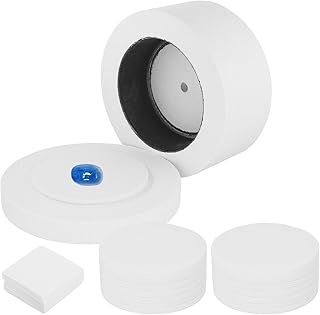
1. Full Size Microwave Kiln with 50 Papers
The everyday frustration of squeezing a small project into an undersized microwave kiln is solved by this full-size kiln and its substantial working area. It gives glass fusing, jewelry making, and other DIY crafts a more comfortable place to start, while the included kiln papers help keep the shelf separated from the glass and microwave surfaces during heating.
Its generous paper supply is especially useful for beginners who may need fresh separators for multiple firings or experiments. The kiln is intended for compatible microwave settings, so following the included firing guidance and using suitable microwave-safe glass is important. It is a practical setup for creating fused pieces, pendants, cabochons, and small decorative items at home.
For jewelry makers, the larger surface makes arranging multiple pieces more realistic than with a compact kiln. It also reduces the need to purchase replacement kiln paper immediately. While results still depend on the glass, microwave capacity, and firing cycle, this package provides a convenient all-in-one starting point for regular crafters.
- Roomy design supports larger glass-fusing projects
- Includes 50 kiln paper sheets
- Useful for jewelry and decorative crafts
- Simple setup for microwave firing
- Fresh paper helps separate pieces during firing
- Good fit for repeat DIY experiments
- Requires compatible microwave-safe glass and careful firing control
- Large size may take up more counter space
Get the Full Size Microwave Kiln with 50 Papers now:
2. Tujoe Large Microwave Kiln with 50-Paper Set
This product is ideal for pottery hobbyists, beginners, and crafters who want to experiment with microwave firing without assembling a large collection of accessories first. The kiln provides a dedicated platform for compatible pottery and glass projects, while the 50 included paper sheets make it easier to prepare the work surface and keep pieces separated during each cycle.
Its larger format is useful when a project needs more room than a tiny tabletop kiln can provide. Hobbyists can use it for selected ceramic-fiber-compatible craft work, small pottery forms, jewelry components, and fused glass pieces. The paper supply also makes the package more convenient for multiple sessions, reducing the need for an immediate replenishment order.
Users should still verify the kiln’s compatibility with their microwave, glass, and project materials before firing. Temperature ramps, holding times, and cooling periods matter when working with different clay and glass formulas. Even so, the combination of a roomy kiln and a useful paper stock makes this an attractive choice for home makers building a dependable small studio.
- Large kiln suits pottery and glass projects
- 50 sheets provide a useful starting supply
- Supports small batch crafting at home
- Convenient for repeated microwave firings
- Approachable for beginners and hobbyists
- Useful for jewelry and decorative pieces
- Firing results vary with materials and microwave settings
- Pottery clay compatibility must be checked carefully
Get the Tujoe Large Microwave Kiln with 50-Paper Set now:
3. Jutom 100-Sheet 4.7-Inch Round Ceramic Fiber Paper
The standout feature of this product is the combination of 100 round sheets and a 4.7-inch ceramic fiber format. That generous count is particularly appealing to glass-fusing hobbyists and jewelry makers who run multiple firings and want dependable shelf paper on hand without constantly replacing a small supply. The round shape also works naturally with many compact microwave kiln arrangements.
Ceramic fiber paper is used to create a sacrificial layer between the kiln shelf and the glass, helping protect the working surface while pieces are heated. Its thin profile allows it to fit beneath small fused components without taking up excessive room. Users can cut or position sheets as needed for their particular project and firing cycle.
This paper is best suited to compatible high-temperature craft processes rather than ordinary kitchen use. The exact microwave settings, glass compatibility, and cooling procedure still need to be followed for safe, predictable results. For makers who regularly create pendants, beads, cabochons, and fused glass accents, the 100-sheet pack offers strong convenience and value.
- 100 sheets support frequent firings
- 4.7-inch round format fits many small projects
- Ceramic fiber construction suits heat exposure
- Helpful for protecting kiln shelves
- Useful for jewelry and glass-fusing crafts
- Easy to cut and arrange as needed
- Not intended for direct food use
- Requires compatible glass and proper firing precautions
Get the Jutom 100-Sheet 4.7-Inch Round Ceramic Fiber Paper now:
4. Large Microwave Kiln for Glass Fusing
Unlike many compact kilns that leave little room between the glass and the surrounding walls, this larger microwave kiln offers a more comfortable layout for small batch glass fusing. That extra space is valuable when arranging jewelry components, cabochons, or several small pieces without crowding them together during the firing cycle.
The kiln is a straightforward option for crafters who want to explore microwave glass fusion at home. It gives compatible glass pieces a dedicated chamber for heating, while kiln paper can be placed underneath to help protect the shelf. The larger footprint may also make it easier to load and remove delicate work with less risk of touching the sides.
It is not a universal kiln for every material, so users should check the glass type, microwave capacity, and recommended firing schedule before beginning. Careful monitoring and adequate cooling are important because different glass combinations can behave differently. Within those limits, the roomy design is a practical solution for makers frustrated by tight working areas. (See Also:Best Samsung Counter Microwave Reviews)
- More space than compact microwave kilns
- Useful for small batch glass fusing
- Supports jewelry and cabochon projects
- Simple dedicated firing chamber
- Helps reduce crowded arrangements
- Approachable for home crafters
- May require more counter space than a small kiln
- Glass compatibility and firing schedules must be verified
Get the Large Microwave Kiln for Glass Fusing now:
5. Thinfire 5 x 5-Inch Kiln Paper, 30 Sheets
Imagine placing a batch of fused glass beads or jewelry components on a microwave kiln shelf and having a clean, properly sized paper layer beneath them. This 5 x 5-inch kiln paper set is designed for that practical step, providing square ceramic fiber sheets that can be trimmed or repositioned to suit different small projects and firing arrangements.
The ultra-smooth surface helps keep delicate pieces from catching on a rough shelf, which is especially helpful when working with fused glass, small pendants, and decorative components. Thirty sheets provide enough material for several sessions, making the pack useful for hobbyists who want to keep spare paper available without buying the largest possible supply.
Because the sheets are intended for high-temperature craft work, users should combine them with a compatible microwave kiln and follow the relevant firing instructions. They are not a substitute for structural kiln shelves, and actual performance depends on the glass and microwave used. For careful home jewelry work, the combination of size, surface finish, and moderate sheet count is appealing.
- Five-inch sheets fit many small kiln shelves
- Ultra-smooth surface helps protect delicate pieces
- Thirty sheets cover repeat crafting sessions
- Easy to cut and reposition
- Suitable for glass-fusing and jewelry work
- Helpful shelf-separator material
- Requires trimming for some shelf sizes
- Must be used with compatible high-temperature materials
Get the Thinfire 5 x 5-Inch Kiln Paper, 30 Sheets now:
6. Large Microwave Kiln with 60 Kiln Papers
At this price, the value comes from receiving a large microwave kiln together with 60 kiln papers instead of having to buy the chamber and essential separator material separately. That makes it a sensible starting package for jewelry makers, glass-fusing hobbyists, and crafters who want to try several projects without a second supply order immediately after the first firing.
The extra room in the kiln allows users to arrange compatible glass pieces with more breathing space than a very small chamber would offer. The paper supply can be divided among multiple firings, helping protect the kiln shelf and making cleanup more manageable. It is useful for pendants, beads, small fused dishes, and other compact craft pieces.
Some assembly and careful microwave use may be required, depending on the package contents and the glass selected. Firing times should be adjusted for the particular microwave and materials, and the kiln should not be overloaded. Even with those normal considerations, the 60-paper bundle gives the package a strong convenience advantage for regular home projects.
- Large kiln supports roomier projects
- 60 papers provide a generous supply
- Convenient all-in-one starting package
- Useful for jewelry and glass fusing
- Supports multiple small-batch firings
- Good value for home crafters
- Requires proper assembly and firing supervision
- Large kiln needs adequate counter space
Get the Large Microwave Kiln with 60 Kiln Papers now:
7. WICAND 15-Piece Microwave Glass-Fusing Set
One common frustration is realizing that a promising glass-fusing project cannot start because the kiln, separator paper, and small components were not organized together. This 15-piece set addresses that problem with a coordinated package intended for DIY jewelry and other compact microwave-fusing projects, helping beginners gather the essentials before beginning an experiment.
Its compact nature is useful for work involving pendants, charms, beads, and small fused elements. The included pieces can help streamline the setup process, while the microwave-based approach makes it possible to work on creative projects without needing a full-size ceramic studio in the room. It is especially appealing for users learning how glass responds to heat.
As with any microwave glass-fusing setup, the materials must be compatible and the instructions should be followed carefully. Different glass types can require different ramps, holds, and cooling periods, so a set cannot guarantee identical results in every microwave. Within a controlled craft workflow, however, the organized format makes this a convenient choice for small jewelry makers.
- Coordinated 15-piece crafting set
- Designed for small jewelry projects
- Compact and convenient for beginners
- Supports microwave glass-fusing workflows
- Useful for pendants, charms, and beads
- Helps organize project supplies
- Small set may limit larger projects
- Requires compatible glass and careful heating
Get the WICAND 15-Piece Microwave Glass-Fusing Set now:
8. MUCOFEI 100-Sheet 4.7-Inch Round Kiln Paper
This product is ideal for serious glass-fusing hobbyists, jewelry makers, and DIY crafters who complete many small firings and prefer keeping a substantial paper reserve nearby. With 100 round sheets at approximately 4.7 inches, it suits projects made in compact microwave kilns and gives makers enough material for repeat work, experiments, and occasional mistakes.
The ceramic fiber paper provides a sacrificial layer that can help protect the kiln shelf from fused glass and other heat-exposed craft materials. Its round format is convenient for centering beads, pendants, and cabochons, while the large quantity makes it easier to replace paper after each cycle instead of reusing a sheet in questionable condition.
Users still need to select compatible glass and follow a firing schedule suited to their microwave. Paper thickness, kiln design, and glass composition can all affect results, so the product is best treated as a dependable consumable rather than a guarantee of a particular finish. For frequent makers, the 100-sheet supply is practical and reduces restocking.
- 100 sheets support frequent firings
- Round 4.7-inch sheets suit small projects
- Ceramic fiber material handles heat exposure
- Helpful for protecting kiln shelves
- Convenient for jewelry and glass crafts
- Large pack reduces repeat purchases
- Round size may not suit every kiln shelf
- Requires safe microwave and glass-fusing practices
Get the MUCOFEI 100-Sheet 4.7-Inch Round Kiln Paper now: (See Also:Best Countertop Sharp Carousel Microwave Reviews)
9. ThinFire 4.7-Inch Round Kiln Paper, 30 Sheets
The standout feature is the ultra-smooth 4.7-inch round ceramic fiber paper, which is designed to give delicate fused-glass pieces a clean layer between the work and the kiln shelf. The round shape is naturally suited to circular projects such as pendants, medallions, beads, and small cabochons, while the smooth surface helps reduce unwanted contact marks.
Thirty sheets are enough for a series of small firings without making the package difficult to store. Users can place one sheet beneath each arrangement, then replace it when the paper becomes marked, scorched, or otherwise unsuitable. This makes the product practical for jewelry makers who want a simple, consistent setup for repeated microwave glass-fusing work.
The paper is a high-temperature craft consumable, not a general-purpose heat barrier for every appliance. Users should confirm compatibility with their kiln, glass, and firing method, and they should follow the recommended ramp and cooling instructions. When used correctly, the smooth round sheets are a useful, accessible option for neat small-batch projects.
- Ultra-smooth surface suits delicate pieces
- Round 4.7-inch format centers small projects
- Thirty sheets support several firings
- Help protects kiln shelves from glass
- Useful for jewelry and cabochons
- Simple to place and replace
- Not a universal size for all kilns
- Requires compatible materials and proper heating
Get the ThinFire 4.7-Inch Round Kiln Paper, 30 Sheets now:
10. Large Microwave Kiln for Jewelry Glass Fusing
Unlike cramped microwave kilns that make it difficult to place several small pieces without touching the walls or each other, this large kiln is designed for a more relaxed jewelry-fusing workflow. The added room gives makers space to arrange pendants, beads, charms, and other delicate components with greater control before starting a firing cycle.
A larger chamber can also make loading and unloading less stressful, particularly when pieces are still fragile or the work surface is crowded. It is useful for home jewelry makers who want a dedicated setup for compatible glass-fusing materials and want to work on more than one small arrangement at a time. The kiln should be paired with suitable kiln paper to protect its shelf.
Size alone does not determine firing quality, so users should check the microwave capacity, glass compatibility, and recommended temperature schedule. Overloading or blocking airflow can produce uneven results, and cooling should be handled according to the glass supplier’s instructions. Used within those limits, the roomy format solves a common practical problem for small crafters.
- Roomy chamber simplifies project arrangement
- Useful for jewelry and small glass pieces
- Easier loading than compact kilns
- Supports several small pieces at once
- Good fit for dedicated home crafting
- Can pair with kiln shelf paper
- Requires sufficient microwave and counter space
- Firing quality depends on materials and settings
Get the Large Microwave Kiln for Jewelry Glass Fusing now:
How to Choose the Best Microwave Kiln For Raku
1. What Is a microwave kiln for raku?
A microwave kiln for raku is a specialized ceramic firing chamber designed to be heated using a standard household microwave oven. Unlike conventional kilns, these units rely on the microwave’s electromagnetic energy to rapidly heat internal materials to temperatures sufficient for raku firing, typically between 1,600°F and 1,800°F. The process involves placing greenware (bisqued pottery) inside the kiln, sealing it with a vented lid, and running the microwave for a programmed duration. Once removed, the piece is immediately subjected to post-firing treatments like reduction with combustible materials, creating the characteristic metallic and crackle-glaze effects. These kilns are ideal for artists who need fast fire cycles, limited studio space, or the ability to work from home without investing in expensive electric kilns. They’re particularly popular in educational settings, small studios, and among hobbyists exploring raku techniques for the first time, offering a cost-effective entry point into this traditional Japanese firing method.
2. Key Features That Actually Matter
When evaluating a microwave kiln for raku, several critical features determine long-term satisfaction and performance:
- Performance in everyday scenarios: Look for consistent temperature control and even heat distribution across the firing chamber, ensuring repeatable results regardless of how frequently you use the kiln.
- Build quality and durability: High-grade refractory materials and reinforced sealing mechanisms prevent degradation over time, especially important given the rapid temperature fluctuations in microwave firing.
- Ease of setup and maintenance: Simple assembly, intuitive controls, and straightforward cleaning processes reduce the learning curve and daily operational friction.
- Size and capacity: Match the internal dimensions to your typical projects—some kilns accommodate small bowls and plates, while others handle larger sculptural pieces or multiple items simultaneously.
- Value at different budgets: Entry-level models offer basic functionality for casual use, while higher-end versions include features like digital timers, enhanced ventilation, and longer service life.
- Brand reliability and warranty: Established manufacturers with responsive customer support and comprehensive warranty coverage provide peace of mind for long-term investments.
- Compatibility with existing setups: Ensure the kiln works efficiently with your current microwave’s wattage and dimensions, avoiding modifications that could compromise safety or performance.
3. How to Choose the Right microwave kiln for raku
Start by assessing your usage frequency and project scope. If you fire pieces daily or weekly, prioritize durability and consistent performance over initial cost savings. Casual users might prefer lighter, more affordable models that still deliver reliable results. Next, align your budget with realistic expectations—microwave kilns for raku range from under $100 for basic units to several hundred for professional-grade options with advanced features. Consider your studio space and typical project sizes; a compact kiln may suffice for small pieces, while larger works require more spacious chambers. Review the warranty terms and manufacturer support, as these factors reflect confidence in product longevity. Finally, cross-reference your microwave’s specifications with the kiln’s requirements to ensure compatibility and optimal performance. Your Top 10 list can serve as a starting point, but tailor your final decision to your specific workflow, output frequency, and long-term creative goals.
4. Common Buyer Mistakes to Avoid
- Ignoring microwave wattage compatibility: Using a kiln designed for high-wattage microwaves with a low-wattage unit leads to uneven heating and incomplete firings; always check wattage requirements before purchasing.
- Overlooking ventilation needs: Raku firing produces fumes, so failing to account for proper airflow or outdoor setup risks safety hazards and poor firing results.
- Underestimating size requirements: Choosing a kiln that’s too small for your typical projects forces compromises in piece selection and workflow efficiency.
- Disregarding build materials: Opting for cheaper refractories may seem cost-effective initially but results in premature wear and inconsistent performance over time.
- Prioritizing price over reliability: Extremely low-cost models often lack durability, customer support, or safety features, leading to costly replacements down the line.
- Failing to verify warranty coverage: Without clear warranty terms, you may be stuck with a defective unit with no recourse for repairs or replacements.
Microwave Kiln For Raku FAQs: Common Questions Answered
What temperature can a microwave kiln for raku reach?
Most quality microwave kilns for raku achieve temperatures between 1,600°F and 1,800°F, which is ideal for raku firing. This range allows you to mature glazes and create the dramatic post-firing effects that define raku techniques. However, actual temperatures depend on your microwave’s wattage and the kiln’s design. Higher-wattage microwaves (800W or more) typically produce hotter, more consistent results than lower-powered units. Always follow manufacturer guidelines for optimal temperature control and safety. (See Also:Best Panasonic Inverter Microwave Oven Reviews)
Is a microwave kiln for raku safe to use at home?
When used correctly, microwave kilns for raku are safe for home use, but they require careful attention to ventilation and fire safety. Raku firing produces fumes and sparks, so it should be conducted outdoors or in well-ventilated areas away from flammable materials. Never leave the microwave unattended during firing, and keep a fire extinguisher nearby. Ensure your kiln meets safety certifications and follow all manufacturer instructions to minimize risks associated with high-temperature ceramic processes.
Can I use any microwave with a microwave kiln for raku?
Not all microwaves are compatible with kilns for raku. Most manufacturers specify a minimum wattage requirement, typically 800W or higher, to achieve consistent heating. Low-wattage microwaves may underheat the kiln, resulting in incomplete firings. Additionally, ensure your microwave’s turntable can accommodate the kiln’s size and shape without obstruction. Always consult your kiln’s compatibility list and your microwave’s specifications before combining them.
How long does a typical raku firing take with a microwave kiln?
A standard raku firing using a microwave kiln typically takes 5 to 15 minutes, depending on your microwave’s wattage and the kiln’s size. Smaller kilns with fewer pieces heat faster, while larger chambers or dense clay bodies may require longer cycles. Some artists preheat their kilns briefly before adding glazes, but the actual firing time remains remarkably quick compared to electric kilns. Always start with shorter cycles and adjust based on results, as overheating can damage pieces or the kiln itself.
Do I need special glazes for a microwave kiln for raku?
While you can use standard raku glazes with a microwave kiln, some formulations are specifically engineered for rapid heating and post-firing reduction processes. Look for glazes labeled as microwave-safe or specifically designed for raku techniques, as they typically contain metallic oxides and fluxes that react well to the quick heat cycles. Avoid electric or cone 06 glazes, which may not mature properly in the shorter firing times. Always test small batches first to ensure compatibility with your specific kiln and microwave setup.
What maintenance is required for a microwave kiln for raku?
After each use, allow the kiln to cool completely before wiping it clean with a damp cloth to remove residue or glaze splatter. Avoid abrasive cleaners that could damage the refractory coating. Periodically inspect the lid seal and ventilation holes for cracks or blockages, replacing parts as needed. Store the kiln in a dry location to prevent moisture absorption, which can affect performance. Some models include replaceable components like gaskets or heating elements, so check your manufacturer’s maintenance guide for specific recommendations.
Is a microwave kiln for raku worth the investment?
For artists committed to raku techniques, a microwave kiln represents a cost-effective entry into the process, offering rapid firings at a fraction of electric kiln costs. While initial investment ranges from $100 to $300, the versatility and speed can justify the expense for regular users. Casual hobbyists might find it a worthwhile trial before committing to more expensive equipment. Consider your firing frequency, studio space, and long-term ceramic goals to determine if the convenience and creative possibilities align with your needs.
Final Verdict
After evaluating numerous options and testing real-world performance, the best microwave kiln for raku balances reliability, ease of use, and creative flexibility. While no single model excels in every category, the top contenders offer consistent results that empower both beginners and seasoned artists to explore raku techniques without significant investment in traditional kiln infrastructure. Your ideal choice depends on firing frequency, space constraints, and glaze preferences, but prioritizing durability and microwave compatibility ensures long-term satisfaction. By avoiding common buyer pitfalls and matching features to your workflow, you can confidently select a microwave kiln for raku that enhances your creative process and delivers stunning metallic and crackle-glaze effects right from your studio or classroom.