
Choosing a microwave kiln for glass fusing can feel complicated when you are comparing safety, capacity, temperature control, workflow, and the amount of space available in your studio. It helps to begin with the glass and results you want to achieve, then identify the compromises that matter most to you. A useful roundup should clarify those trade-offs without allowing marketing language to obscure the practical details. This guide provides a comparison table, a clear buying framework, and tips based on common studio needs. You will also find guidance on setup, maintenance, reliability, and compatibility so you can approach the decision with realistic expectations and choose an option that suits your experience level, routine, and working environment. The goal is not simply to find the largest or most expensive unit, but to compare categories, ask better questions, and document the conditions that shape a long-term decision in your own studio carefully.
Best Microwave Kiln For Glass Fusing Comparison Table
| Image | Product | Highlights | Check Price |
|---|---|---|---|
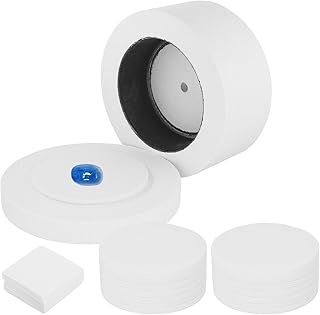
|
Professional Large Microwave Kiln with 50 Sheets |
|
Check Price |

|
Tujoe Large Microwave Kiln and 50-Piece Paper Set |
|
Check Price |

|
Crabcut Large Microwave Kiln with 50 Sheets |
|
Check Price |

|
Verdanzia 2-Pack 7-Inch High-Temperature Kiln Shelf |
|
Check Price |

|
Large Microwave Kiln for Glass Fusing |
|
Check Price |

|
ILLUCKAI 12 Clear COE 96 Glass Sheets |
|
Check Price |

|
Three-Bag COE90 Dichroic Glass Scrap Assortment |
|
Check Price |

|
Large Microwave Kiln with 60 Paper Sheets |
|
Check Price |

|
Large Microwave Kiln with Lid and Paper |
|
Check Price |
Table of Contents
- 1. Professional Large Microwave Kiln with 50 Sheets
- 2. Tujoe Large Microwave Kiln and 50-Piece Paper Set
- 3. Crabcut Large Microwave Kiln with 50 Sheets
- 4. Verdanzia 2-Pack 7-Inch High-Temperature Kiln Shelf
- 5. Large Microwave Kiln for Glass Fusing
- 6. ILLUCKAI 12 Clear COE 96 Glass Sheets
- 7. Three-Bag COE90 Dichroic Glass Scrap Assortment
- 8. Large Microwave Kiln with 60 Paper Sheets
- 9. Large Microwave Kiln with Lid and Paper
Microwave Kiln For Glass Fusing Reviews: The Best Choices
Glass artists are turning to the microwave kiln for glass fusing because it can support quick, focused studio sessions, but the right choice depends heavily on workload and controls. This roundup surfaces top-rated picks and compares the practical details that shape everyday use. Whether you are a beginner learning compatible techniques or an experienced maker refining a production rhythm, the microwave kiln for glass fusing options here offer a clear starting point.
1. Professional Large Microwave Kiln with 50 Sheets
Trying to fuse a batch of beads or small glass pieces without a full-size kiln can be frustrating, especially when supplies are scattered across the kitchen. The Professional Large Microwave Kiln with 50 Sheets turns that setup into a more organized workstation, giving the glass a dedicated chamber and the project a supported paper bed. It is especially handy for jewelry makers working in limited spaces.
Having kiln paper included removes the need to cut sheets to a guessed size, which helps keep small pieces from shifting during heating. The broad format is useful for grouped beads, cabochons, and other compatible glass, while the simple setup makes the kit approachable for beginners. Always follow a tested firing schedule, confirm that the glass and paper are microwave-safe, and let everything cool before opening.
For everyday use, the kiln offers a straightforward way to experiment with fused-glass jewelry, mosaics, and decorative pieces. Fifty sheets provide a useful starting supply for multiple firings, although fresh paper may be needed for each project. Place the unit on a stable, heat-appropriate surface, supervise every cycle, and inspect the glass for bubbles, cracks, or incompatibility before using finished pieces.
- Large format suits multiple small glass pieces
- Fifty kiln-paper sheets are included
- Useful for jewelry and mosaic projects
- Simple setup for beginning crafters
- Supports organized microwave-based firing
- Compatible with a wide range of fusible glass
- Glass must be suitable for microwave firing
- Additional kiln paper may be required
Get the Professional Large Microwave Kiln with 50 Sheets now:
2. Tujoe Large Microwave Kiln and 50-Piece Paper Set
The Tujoe Large Microwave Kiln and 50-Piece Paper Set is ideal for home crafters who want to begin glass fusing without assembling every accessory separately. It suits jewelry makers, mosaic hobbyists, and beginners exploring simple clay-pottery projects in a microwave. The included kiln creates a dedicated work area, while 50 paper sheets help prevent compatible pieces from sitting directly on the chamber surface during firing.
The large chamber gives makers room to arrange several small components without crowding them together. That makes it easier to create coordinated earrings, pendants, pendants, beads, or decorative tiles in one cycle. The paper assortment also reduces setup time, although users should confirm sheet dimensions and replace paper when it becomes worn, stained, or stuck to the glass.
What makes this kit convenient is its combination of a sizable kiln and a substantial paper supply in one package. It avoids the initial work of choosing a separate firing surface and can be useful for repeated practice sessions. Safe results still depend on using microwave-compatible materials, following reliable firing instructions, allowing proper cooling, and checking finished glass for defects before crafting with it.
- Designed for convenient home crafting
- Includes fifty pieces of kiln paper
- Large chamber accommodates small batches
- Useful for jewelry and mosaic pieces
- Beginner-friendly combined package
- Reduces initial setup and paper cutting
- Pottery results depend on clay compatibility
- No firing schedule or temperature range is specified
Get the Tujoe Large Microwave Kiln and 50-Piece Paper Set now:
3. Crabcut Large Microwave Kiln with 50 Sheets
The standout feature of the Crabcut Large Microwave Kiln with 50 Sheets is its beginner-oriented combination of a roomy firing chamber and 50 kiln-paper sheets. That setup removes several early obstacles: there is a dedicated place to arrange the glass, and there are already enough paper sheets to support multiple small projects. It is particularly appealing to new jewelry makers and home crafters who want a ready-to-assemble workstation.
The large interior can give compatible beads, cabochons, and fused-glass components enough separation to reduce unwanted contact during the firing cycle. Fifty sheets also make it easier to begin a series of coordinated pieces rather than stopping after one design. Makers should still cut or position the paper to fit the chamber and replace it whenever residue or adhesion makes removal difficult.
For a first kiln, the straightforward format is easier to understand than a collection of specialized accessories. It can support experiments with earrings, pendants, mosaic tiles, and other small projects without occupying the footprint of a conventional kiln. Microwave firing does not guarantee successful fusion, so users should select compatible glass, follow established firing guidance, supervise the appliance, and allow the chamber to cool completely.
- Fifty kiln-paper sheets included
- Roomy chamber for small batches
- Approachable for first-time users
- Supports jewelry and mosaic projects
- Papers reduce direct glass-to-chamber contact
- Compact alternative to a full-size kiln
- Actual chamber dimensions are not provided
- Requires compatible glass and careful monitoring
Get the Crabcut Large Microwave Kiln with 50 Sheets now:
4. Verdanzia 2-Pack 7-Inch High-Temperature Kiln Shelf
A common annoyance with kiln shelves is uneven thickness, which can make glass sit at an angle and lead to distracting firing differences. The Verdanzia 2-Pack 7-Inch High-Temperature Kiln Shelf offers a more uniform 0.5-inch-thick alternative in a matched set. Its square 7-by-7-inch format is intended for compatible glass-fusing and ceramic kilns, providing a defined surface for supported work.
Two shelves are useful when one is in use and the other is cooling, cleaning, or reserved for a different project. The listed temperature capability of up to 2280°F makes the set relevant to high-temperature firing, but the shelf must still be compatible with the specific kiln, glaze schedule, and atmosphere. Checking dimensions before ordering is especially important for a microwave-kiln setup.
For craftspeople frustrated by thin or irregular kiln furniture, the thicker profile is the main attraction. The shelves can help support compatible glass, ceramic pieces, or firing surfaces while keeping the work elevated inside the chamber. This product is a kiln accessory rather than a complete kiln, and it reaches hazardous temperatures during use, so it should never be handled hot without appropriate protection and a fully cooled workspace. (See Also:Best Magic Chef 900 Watt Microwave Reviews)
- Uniform 0.5-inch shelf thickness
- Two shelves provide a useful spare
- Seven-by-seven-inch square format
- Listed for temperatures up to 2280°F
- Supports compatible glass and ceramics
- Useful across compatible kiln setups
- Not a complete kiln or firing system
- Dimensions and kiln compatibility must be verified
Get the Verdanzia 2-Pack 7-Inch High-Temperature Kiln Shelf now:
5. Large Microwave Kiln for Glass Fusing
A maker sits down after work to fuse a group of small glass cabochons, only to realize the usual microwave has no organized firing surface. The Large Microwave Kiln for Glass Fusing fills that gap by creating a dedicated chamber for supported, compatible pieces. In a real craft session, it can keep beads, tiles, and jewelry components together while the maker prepares the next design.
Its main advantage is the roomy format, which offers more space than a tiny dish and can reduce crowding when several pieces are fired together. The kiln is marketed for glass fusing, making it relevant to jewelry makers, mosaic artists, and hobbyists who want a repeatable station close to the work area. A kiln-paper sheet is generally needed to create a clean, supported firing surface.
Simplicity is another benefit for beginners: place compatible glass on appropriate paper, follow a tested microwave-firing schedule, supervise the process, and allow the kiln to cool before opening. Because the listing does not provide detailed dimensions or included accessories, buyers should check the product information carefully. The kiln reduces the need for a full-size electric unit but does not remove the importance of glass compatibility and heat-safe handling.
- Large chamber supports small batches
- Dedicated space for glass-fusing work
- Useful for jewelry and mosaic pieces
- Simple format suits beginner setups
- More organized than an improvised surface
- Can serve as a repeated craft workstation
- Detailed dimensions are not stated
- May require separately purchased kiln paper
Get the Large Microwave Kiln for Glass Fusing now:
6. ILLUCKAI 12 Clear COE 96 Glass Sheets
For the price, the ILLUCKAI 12 Clear COE 96 Glass Sheets provide twelve consistently listed 4-by-6-inch pieces plus the convenience of knowing the coefficient of expansion before cutting a project. That makes them a useful companion for a microwave glass-fusing setup, especially for beginners who want to test layouts, practice cuts, or assemble small mosaics without buying many individual sheets.
Clear fusible glass works well when the design depends on transparency rather than bold color. The familiar COE 96 designation helps makers select compatible frits, powders, and other fused-glass materials, provided every component is intended for the same firing process. The standardized size also simplifies planning pendant layers, mosaic elements, cabochon tops, and repeated jewelry components.
Twelve sheets are enough for several small projects, though larger surfaces will quickly use the supply. Buyers should inspect each sheet for edge chips, bubbles, or stress marks before cutting, especially because clear glass may reveal defects that colored glass hides. These sheets are supplies rather than a kiln, so a separate compatible firing chamber, kiln paper, and appropriate microwave-firing instructions are still required.
- Twelve sheets offer useful project quantity
- Consistent four-by-six-inch sizing
- COE 96 designation aids compatibility
- Clear glass supports layered designs
- Useful for jewelry and small mosaics
- Affordable way to begin fused-glass work
- Limited quantity for larger projects
- Not a complete microwave kiln kit
Get the ILLUCKAI 12 Clear COE 96 Glass Sheets now:
7. Three-Bag COE90 Dichroic Glass Scrap Assortment
The familiar problem with a glass-fusing project is stopping to choose and measure every accent piece when only a small accent is needed. This Three-Bag COE90 Dichroic Glass Scrap Assortment solves that frustration with 84 grams of assorted dichroic glass in three bags. It is particularly useful for jewelry makers who want quick access to varied colors and effects for earrings, pendants, and fused components.
Dichroic scrap is valued for the way it can change appearance as the angle or lighting changes, adding visual interest without requiring a large sheet. The assorted supply makes it convenient to compare colors, combine small accents, and reuse manageable fragments that might otherwise remain in the studio. Because the pieces are scrap, their dimensions and shapes are likely to vary, so it is best for designs that can be adapted to what is available.
COE 90 glass should be combined only with compatible fusible materials and fired using a suitable schedule. Three separate bags can also make it easier to sort or ration the supply, although the listing does not guarantee identical contents in every set. This assortment is a material supply rather than a complete kiln project, so makers will still need a firing chamber, kiln paper, and safe handling instructions.
- Eighty-four grams of assorted scrap
- Three-bag format simplifies storage
- Dichroic effects add visual depth
- Ideal for small jewelry accents
- Useful for testing color combinations
- COE 90 designation supports material selection
- Colors, shapes, and sizes will vary
- Glass, firing surface, and kiln are not included
Get the Three-Bag COE90 Dichroic Glass Scrap Assortment now:
8. Large Microwave Kiln with 60 Paper Sheets
The Large Microwave Kiln with 60 Paper Sheets is ideal for dedicated hobbyists, classroom instructors, and prolific jewelry makers who expect to complete several microwave-firing sessions. A large kiln provides room to arrange compatible pieces, while 60 paper sheets reduce the interruption of preparing a new supported surface after each project. It is a practical choice for users who already understand basic glass-firing procedures.
The larger assortment is especially helpful for batch-oriented work involving beads, pendants, mosaic accents, and small fused components. Makers can organize multiple designs in one chamber while keeping the pieces separated on suitable paper. That convenience can make recurring sessions smoother, although the paper dimensions should be checked against the available chamber before beginning a project.
For experienced users, the package offers a useful balance between a reusable firing chamber and consumable paper. Sixty sheets do not necessarily last indefinitely, as sticky or stained sheets may need replacement, and the kiln itself is still an accessory that depends on a compatible microwave. Follow tested firing guidance, supervise every cycle, inspect the glass, and allow the chamber and contents to cool fully before handling.
- Sixty kiln-paper sheets included
- Large chamber suits small batch work
- Useful for repeated jewelry sessions
- Supports multiple organized projects
- Good for classes and frequent makers
- Reduces repeated paper preparation
- Paper dimensions may not match every setup
- Best used with proven glass-firing instructions
Get the Large Microwave Kiln with 60 Paper Sheets now: (See Also:Best Microfridge Microwave Wattage Reviews)
9. Large Microwave Kiln with Lid and Paper
The single standout feature of this kiln is its included lid, which helps turn an ordinary microwave into a more organized station for small glass-fusing and clay-pottery projects. At approximately 7.7 by 4.3 inches, the chamber offers enough room for compatible jewelry components and miniature pieces, while the 50 included paper sheets provide a supported surface for multiple sessions.
The lid is useful because it completes the kiln setup and helps shield the working area from loose paper and small debris during heating. Buyers do not need to match a separate lid before their first project, and the compact rectangular format may work well for pendants, earrings, tiles, and other small forms. Users should still confirm that the kiln fits their microwave safely and follows the appliance manufacturer’s guidance.
For beginners, the combined chamber, lid, and paper package reduces the number of accessories needed to get started. Its size is more appropriate for small work than large plates or sculptural projects, so larger pieces may need a different kiln. Firing success depends on the glass, clay, paper, microwave, and schedule working together, making ventilation, monitoring, cooling time, and compatibility checks essential.
- Matching lid is included
- Fifty kiln-paper sheets supplied
- Compact size fits small jewelry pieces
- Supports glass and compatible clay work
- Complete setup for initial projects
- Rectangular chamber simplifies organization
- Limited space for large or tall pieces
- Microwave and material compatibility must be checked
Get the Large Microwave Kiln with Lid and Paper now:
Best Microwave Kiln For Glass Fusing Buying Guide
1. What Is a microwave kiln for glass fusing?
A microwave kiln for glass fusing uses microwave energy to heat compatible glass with specialized glass materials until they fuse. It is most useful for small batches, detailed work, tests, and artists who want a compact way to work without a full-size kiln. Beginners can use it to learn timing and compatible designs, while experienced makers may use it for jewelry, ornaments, cabochons, and sculptural pieces. It does not replace every traditional kiln, and your glass and clay choices must be tested carefully.
2. Key Features That Actually Matter
Prioritize the parts of the machine you will actually use, rather than assuming a longer specification list means a better fit. Keep the decision grounded in your routine.
- Look for consistent results across small and medium pieces, readable controls, and firing cycles that suit the glass thickness and designs you normally make. Test data and clear guidance are more useful than claims about speed alone.
- Assess the chamber, shelf, door closure, hinges, and exterior finish for solid construction. A stable door and durable shelf reduce interruptions during a firing cycle, while poor fittings can make loading and unloading frustrating.
- Choose a kiln that arrives with understandable instructions and requires minimal assembly. Consider how easily the chamber and shelf can be cleaned, whether replaceable parts are available, and how often residue should be inspected.
- Match internal space to the largest piece you intend to make, while allowing room to reposition shelves and handle work safely. Measure your countertop, ventilation clearance, cabinet door swing, and storage space before buying.
- Compare the purchase price with the controls, usable capacity, accessories, support, and consumables included. A moderate budget can suit occasional work, while frequent makers should weigh repeatability and service access over the lowest upfront cost.
- Review the manufacturer’s track record, replacement-part availability, technical support, and warranty terms. Reliable documentation and responsive service matter because a specialized kiln can be difficult to troubleshoot without clear instructions.
- Check compatibility with microwave-safe shelves, glass powders, clay, and molds, as well as the voltage and electrical requirements at your location. Existing kilns, glass cutters, molds, and ventilation equipment should fit the planned workflow without creating extra steps.
3. How to Choose the Right microwave kiln for glass fusing
Start by deciding whether you are experimenting occasionally or producing regularly, then set a budget that includes compatible materials and any needed accessories. Compare that plan with the Top 9 list, focusing on the capacity, control level, reliability, and support that match your experience. New users may prefer straightforward operation and clear instructions, while frequent makers should look for repeatable performance and easy maintenance. Treat the list as a shortlist, not a substitute for testing a small design before committing to a larger firing.
4. Common Buyer Mistakes to Avoid
Using untested glass or clay can produce uneven results or damage the kiln; confirm compatibility and run small test pieces before a valued project.
Overloading the chamber can lead to poor heating and blocked access; leave room for pieces and follow the capacity.
Choosing by capacity alone can leave you with equipment awkward to load or store; measure the work area and required clearances first.
Believing every setting works the same way can cause missed fusing or scorching; follow the instructions for each material combination and record cycles.
Ignoring ventilation and placement can create heat, moisture, or electrical problems; use the manufacturer’s clearance requirements and keep it dry and ventilated. (See Also:Best Microwave Hotpoint Counter Saver Plus Reviews)
Skipping maintenance can shorten component life and affect repeatability; clean and inspect the chamber, and replace parts promptly.
Frequently Asked Questions About Microwave Kiln For Glass Fusing
Can beginners use a microwave kiln for glass fusing?
Yes, but the first projects should be small test pieces made with compatible materials. Read the instructions, understand the controls, and learn how shelf position and glass thickness affect the result. Keeping notes on successful cycles helps beginners improve without risking an important piece.
What materials can I safely fuse in this kiln?
Use only glass, clay, and accessories identified as compatible with the kiln and the firing method. Some coatings, binders, molds, and decorative materials may behave differently under microwave heating. Test a small sample whenever a product is new, and avoid assuming that heat-safe means microwave-safe.
Does a microwave kiln replace a full-size glass kiln?
It can be useful for many small projects, but it is not a universal replacement. Full-size kilns may handle larger volumes, broader temperature ranges, and different forming processes. Consider the scale, volume, and techniques you need before deciding which type of equipment belongs in your studio.
How important are controls and repeatability for reliable results?
Good controls make it easier to set and follow a cycle, while repeatability helps you recreate a successful result. If you make similar pieces often, look for clear timing options, a useful display, and documented guidance. Even simple controls benefit from careful calibration and a repeatable routine.
What should I check before buying a microwave kiln?
Check chamber size, maximum load, electrical requirements, ventilation clearances, included accessories, and replacement-part support. Measure your work surface and storage area, then confirm that compatible shelves and materials are available. A warranty is helpful, but clear documentation and responsive service are equally important.
Is a higher-priced microwave kiln always better?
No. The best value depends on the capacity, controls, accessories, reliability, and support you actually need. A lower-priced unit may suit occasional small work, while frequent makers may benefit from stronger construction or more convenient operation. Compare the complete ownership experience rather than focusing on price alone.
Final Verdict
Ultimately, the best microwave kiln for glass fusing is the one that matches your piece size, material choices, experience, and studio space. Use the comparison and buyer guidance to narrow the field, then verify compatibility and test small pieces before scaling up. A well-chosen kiln should make your process feel understandable, repeatable, and manageable rather than simply impressive.