
Choosing the right microwave inverter tech can feel confusing when every listing uses similar labels and technical specifications. You may be comparing unfamiliar terms without knowing which differences will matter in your kitchen. A poor match might not fit your available space, suit your routine, or meet your expectations. This guide makes the decision easier by explaining the technology in practical terms and showing what to evaluate before you buy. You will also find a clear comparison table, straightforward buying tips, and guidance for matching everyday needs, kitchen constraints, and budget. Rather than chasing the newest terminology, focus on dependable operation, honest value, and compatibility with your household. Use the checklist to compare confidently, avoid common mistakes, and narrow the field based on how you actually use your kitchen. Choose confidently by prioritizing practical needs, reliable operation, honest value, and compatibility with your household’s everyday setup in your specific home.
Microwave Inverter Tech at a Glance: Top 10 Review
| Image | Product | Highlights | Check Price |
|---|---|---|---|

|
Panasonic NN-SN686S 1.2 Cu. Ft. Inverter Microwave |
|
Check Price |
|
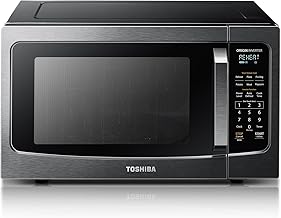
Toshiba 1.6 Cu. Ft. Inverter Countertop Microwave |
|
Check Price |

|
Toshiba 1.3 Cu. Ft. Flatbed Inverter Microwave |
|
Check Price |

|
Panasonic NN-SN67QS 1.2 Cu. Ft. Inverter Microwave |
|
Check Price |

|
Panasonic NN-SN97JS 2.2 Cu. Ft. Cyclonic Microwave |
|
Check Price |

|
Toshiba ML-EM45PIT 1.6 Cu. Ft. Inverter Microwave |
|
Check Price |

|
Panasonic NN-SN65KW 1.2 Cu. Ft. White Microwave |
|
Check Price |

|
Emerson MWI1212SS 1.2 Cu. Ft. Inverter Microwave |
|
Check Price |

|
Toshiba OptiChef Classic 1.0 Cu. Ft. Air Fryer Microwave |
|
Check Price |

|
Panasonic NN-SN68QB Renewed 1.2 Cu. Ft. Microwave |
|
Check Price |
Table of Contents
- 1. Panasonic NN-SN686S 1.2 Cu. Ft. Inverter Microwave
- 2. Toshiba 1.6 Cu. Ft. Inverter Countertop Microwave
- 3. Toshiba 1.3 Cu. Ft. Flatbed Inverter Microwave
- 4. Panasonic NN-SN67QS 1.2 Cu. Ft. Inverter Microwave
- 5. Panasonic NN-SN97JS 2.2 Cu. Ft. Cyclonic Microwave
- 6. Toshiba ML-EM45PIT 1.6 Cu. Ft. Inverter Microwave
- 7. Panasonic NN-SN65KW 1.2 Cu. Ft. White Microwave
- 8. Emerson MWI1212SS 1.2 Cu. Ft. Inverter Microwave
- 9. Toshiba OptiChef Classic 1.0 Cu. Ft. Air Fryer Microwave
- 10. Panasonic NN-SN68QB Renewed 1.2 Cu. Ft. Microwave
Top 10 Microwave Inverter Tech Reviewed
Microwave inverter tech can solve a familiar kitchen frustration: leftovers that heat unevenly while the edges dry out. It has become popular among busy households, compact kitchens, and cooks who want more control without overcomplicating meals. In this microwave inverter tech roundup, you can expect top-rated picks, side-by-side comparisons, and clear notes on capacity, ease of use, cleaning, reliability, and value.
1. Panasonic NN-SN686S 1.2 Cu. Ft. Inverter Microwave
The hardest part of weeknight cooking is often not choosing what to make, but avoiding uneven, overcooked results. The Panasonic NN-SN686S takes much of that stress away with inverter technology, which delivers steadier heating and more precise control than a basic microwave. Its compact footprint also makes it useful for apartments, offices, or kitchens where space is limited.
Genius Sensor cooking is especially helpful for everyday meals. Popcorn, frozen vegetables, rice, and leftovers can be handled without constantly watching the food or guessing at the time. The 1,200-watt power level is adequate for reheating and standard countertop cooking, while the stainless steel exterior gives the unit a more permanent, appliance-like appearance than a plastic basic model.
This microwave is a strong choice for people who want convenience without giving up consistent results. The controls are straightforward, the interior is appropriately sized for common dishes, and the turntable is easy to clean. It is particularly well suited to individuals or couples who regularly prepare quick meals but do not need the extra capacity of a larger family microwave.
- Inverter technology supports more even reheating and cooking.
- Genius Sensor automates common foods and leftovers.
- Compact 1.2-cubic-foot capacity fits smaller spaces.
- Stainless steel exterior is attractive and durable.
- 1,200 watts provide useful everyday cooking power.
- Simple controls reduce guesswork for routine meals.
- The compact interior may not fit oversized plates.
- Sensor cooking can require some adjustment for unusual portions.
Get the Panasonic NN-SN686S 1.2 Cu. Ft. Inverter Microwave now:
2. Toshiba 1.6 Cu. Ft. Inverter Countertop Microwave
This Toshiba countertop microwave is ideal for families, shared apartments, and anyone who regularly cooks several servings at once. Its 1.6-cubic-foot capacity provides more room than a compact model, making it easier to accommodate dinner plates, casserole dishes, and larger portions. Inverter technology is a meaningful advantage for people who want dependable reheating and more controlled cooking results.
Compared with a smaller unit, the extra capacity makes the microwave more versatile without making it excessively cumbersome. It can handle a family snack, a bowl of soup, or a generous plate of leftovers while still remaining appropriate for a standard kitchen counter. The design is aimed at practical users rather than those who want complicated programming or a large collection of specialty functions.
It works well as a dependable second microwave for a busy household, especially when several people need food heated at different times. The larger cavity should make it more forgiving with oddly shaped dishes, and the inverter system is useful for keeping textures from drying out during reheating. It is a sensible pick for users who prioritize capacity, straightforward operation, and consistent everyday performance.
- Generous 1.6-cubic-foot interior suits family portions.
- Inverter technology improves heating consistency.
- Useful for plates, bowls, and casserole dishes.
- Straightforward countertop operation.
- Good fit for shared kitchens and busy homes.
- Balances useful capacity with manageable size.
- Larger than compact models for limited counters.
- No specific wattage is stated in the listing title.
Get the Toshiba 1.6 Cu. Ft. Inverter Countertop Microwave now:
3. Toshiba 1.3 Cu. Ft. Flatbed Inverter Microwave
The standout feature of the Toshiba flatbed microwave is its flat interior floor, which eliminates the need to move a removable turntable. That design makes it easier to slide a plate in, wipe underneath a dish, or clean the cooking area after spills. It is especially appealing to people who dislike scrubbing around a glass turntable and its center hub.
At 1.3 cubic feet, the microwave offers a practical middle ground between a very small dorm unit and a large family appliance. Inverter technology helps with more even reheating, while the flat surface can be useful for wide dishes and containers. The 1,200-watt rating provides solid performance for popcorn, leftovers, frozen foods, beverages, and quick meals.
This model is well suited to apartment dwellers, students, and home cooks who want simple cleanup and consistent reheating. The flatbed layout also feels easier to use when placing food directly into the cavity, rather than carefully centering it on a rotating plate. It is a practical choice for anyone who values low-maintenance cleaning and a compact, versatile footprint.
- Flatbed interior avoids turntable scrubbing.
- Easy access to the microwave floor for cleaning.
- 1.3-cubic-foot capacity suits everyday dishes.
- 1,200-watt power handles common reheating tasks.
- Inverter heating supports more even results.
- Useful for apartments, offices, and small kitchens.
- Flatbed design may be less familiar than a turntable model.
- Wide dishes can still face a tight door opening.
Get the Toshiba 1.3 Cu. Ft. Flatbed Inverter Microwave now:
4. Panasonic NN-SN67QS 1.2 Cu. Ft. Inverter Microwave
Many similar microwaves look attractive but make reheating frustrating, with food that dries around the edges while the center stays cold. The Panasonic NN-SN67QS addresses that problem with inverter technology, which offers steadier power delivery and more controlled cooking. Its Genius Sensor also reduces the need to estimate cooking times for common foods, making it easier to use consistently.
The 1.2-cubic-foot cavity is large enough for everyday plates and bowls while remaining compact enough for a smaller kitchen. At 1,250 watts, it should be a capable performer for reheating, popcorn, frozen vegetables, and quick snacks. The stainless steel finish coordinates easily with other countertop appliances and gives the microwave a clean, durable appearance.
This Panasonic is a good option for anyone who wants a compact appliance with practical automated features rather than a bare-bones microwave. It suits a home office, apartment, dorm room with sufficient ventilation, or a family kitchen seeking a second unit. The combination of sensor cooking, inverter control, and a relatively generous power rating makes it useful for both quick tasks and routine meal preparation. (See Also:Best Microwave Lyrics Reviews)
- Inverter technology improves reheating consistency.
- Genius Sensor simplifies common cooking tasks.
- 1,250 watts provide strong everyday performance.
- Compact size works well on most counters.
- Stainless steel finish looks clean and modern.
- Useful range of one-touch cooking options.
- Small cavity may limit larger cookware.
- Sensor programs may need minor adjustments for large portions.
Get the Panasonic NN-SN67QS 1.2 Cu. Ft. Inverter Microwave now:
5. Panasonic NN-SN97JS 2.2 Cu. Ft. Cyclonic Microwave
Picture preparing a holiday-sized batch of potatoes, reheating several dinner plates, or warming a casserole before guests arrive. The Panasonic NN-SN97JS is built for those situations, with a generous 2.2-cubic-foot interior and 1,250-watt output. Its larger capacity gives food more room to heat evenly, while inverter technology helps maintain more consistent results.
The Cyclonic Wave system and Genius Sensor features make the microwave practical for regular cooking rather than only reheating. Frozen vegetables, popcorn, rice, and prepared foods can be handled with less guesswork, and the roomy cavity can accommodate serving dishes that would crowd a compact model. The stainless steel construction also suits a kitchen where the microwave will be used frequently and visibly.
This model is best for families, entertainers, and households that want a capable primary microwave. It is especially helpful when cooking larger quantities or using dinnerware that is too big for a 1.0- to 1.3-cubic-foot appliance. It will take up more counter space than a small microwave, but the added capacity and stronger everyday performance can make that tradeoff worthwhile.
- Large 2.2-cubic-foot cavity fits generous portions.
- 1,250 watts support family-scale cooking tasks.
- Inverter technology promotes more even heating.
- Genius Sensor automates common food preparation.
- Useful for casseroles, serving dishes, and entertaining.
- Attractive stainless steel finish.
- Requires more counter space than compact units.
- May be overkill for one-person households.
Get the Panasonic NN-SN97JS 2.2 Cu. Ft. Cyclonic Microwave now:
6. Toshiba ML-EM45PIT 1.6 Cu. Ft. Inverter Microwave
For the price, the Toshiba ML-EM45PIT provides an unusually practical mix of capacity, inverter cooking, sensor functions, and useful convenience features. It is a strong value for households that want a full-featured microwave without paying for a niche appliance. The 1.6-cubic-foot interior handles family portions, while the removable 13.6-inch turntable makes loading and cleaning straightforward.
Smart Sensor cooking, automatic defrost, and inverter technology cover the tasks people use most often. The sensor can take the guesswork out of reheating and preparing common foods, while auto defrost is helpful for meat, vegetables, and bread. At 1,250 watts, it also offers enough power for a range of everyday cooking and reheating jobs.
This Toshiba is ideal for busy families, apartment dwellers, and users who want a capable countertop appliance at a reasonable value. Its stainless steel exterior is easy to coordinate with other kitchen equipment, and the 33-pound weight suggests a more substantial feel than a lightweight dorm microwave. The feature set makes it especially useful for people who want convenience without moving to a premium-priced model.
- 1.6-cubic-foot capacity supports family meals.
- Inverter technology promotes controlled, even cooking.
- Smart Sensor reduces manual timing and guesswork.
- Auto defrost adds everyday usefulness.
- Removable turntable is convenient to clean.
- 1,250 watts provide strong performance for the price.
- Large turntable and cavity need adequate clearance.
- Feature set may be unnecessary for very simple users.
Get the Toshiba ML-EM45PIT 1.6 Cu. Ft. Inverter Microwave now:
7. Panasonic NN-SN65KW 1.2 Cu. Ft. White Microwave
A common frustration is having to watch a microwave constantly, stop the cycle, stir the food, and start it over just to get leftovers warm. The Panasonic NN-SN65KW offers a more convenient approach with inverter technology, Genius Sensor cooking, one-touch buttons, and a popcorn setting. It is designed to handle common tasks with less effort and fewer timing decisions.
The 1.2-cubic-foot size works well in offices, apartments, dorms, and kitchens where every bit of counter space matters. At 1,200 watts, it is practical for reheating, beverages, frozen foods, popcorn, and everyday quick cooking. The white exterior also gives it a clean look that can blend into a light kitchen more easily than a black or stainless unit.
This model is a good fit for individuals, students, and anyone who wants simple cooking automation in a compact appliance. Turbo Defrost is useful when cooking from frozen, while the one-touch controls make regular meals faster to prepare. It is a versatile small microwave rather than a specialty unit, offering the features people actually use most often without an overly complicated setup.
- Compact 1.2-cubic-foot size fits small spaces.
- Inverter technology supports more even reheating.
- Genius Sensor automates common foods.
- One-touch controls simplify routine cooking.
- Popcorn button is convenient for quick snacks.
- Turbo Defrost helps with frozen ingredients.
- White finish can show fingerprints in some kitchens.
- Interior may be tight for large plates.
Get the Panasonic NN-SN65KW 1.2 Cu. Ft. White Microwave now:
8. Emerson MWI1212SS 1.2 Cu. Ft. Inverter Microwave
The Emerson MWI1212SS is ideal for renters, students, small offices, and first-time microwave owners who want useful features without a large appliance footprint. Its 1.2-cubic-foot cavity is sized for common meals, while inverter technology provides more controlled reheating than a basic on-and-off design. The stainless steel finish also gives it a more polished appearance than many inexpensive compact models.
This microwave includes ten power levels, an LED display, a timer, eight pre-programmed settings, a child-safe lock, and a removable glass turntable. Those features make it easy to tailor cooking to different foods and keep the appliance safe around children. The 1,000-watt power rating is adequate for reheating leftovers, preparing beverages, and cooking everyday microwave meals.
The Emerson is a practical choice for anyone who values flexibility and straightforward operation at a modest price. It works well as a dorm microwave, office appliance, or secondary kitchen unit, particularly when larger capacity is not essential. The included presets help reduce guesswork, while the turntable is easy to remove for cleaning. It is a sensible option for budget-conscious shoppers who still want inverter cooking and basic safety controls.
- Affordable compact size for small kitchens.
- Inverter technology improves heating control.
- Eight pre-programmed settings simplify common tasks.
- Ten power levels allow cooking adjustments.
- Child-safe lock improves household safety.
- Removable turntable is easy to clean.
- 1,000-watt output is less powerful than larger models.
- Small cavity may limit larger dishes.
Get the Emerson MWI1212SS 1.2 Cu. Ft. Inverter Microwave now: (See Also:Best Oven With Microwave Drawer Reviews)
9. Toshiba OptiChef Classic 1.0 Cu. Ft. Air Fryer Microwave
The standout feature of the Toshiba OptiChef Classic is its ability to combine several cooking appliances in one compact body. Instead of using a separate microwave, air fryer, and countertop oven, this model offers microwave power alongside convection and broil functions. That makes it especially attractive for small kitchens where counter space is limited but cooking flexibility matters.
Its 1.0-cubic-foot capacity is compact, yet the combined functions open up options beyond ordinary reheating. Convection and broil modes can be useful for browning, crisping, and preparing smaller portions, while the microwave handles fast heating and everyday meals. Origin Inverter Technology supports controlled cooking, and the humidity sensor is intended to help with moisture and food preparation.
This appliance is best for individuals, couples, apartment residents, and anyone who wants a versatile second cooking station without a large kitchen footprint. It is less suited to large family portions because of the 1.0-cubic-foot size, but the integrated design can save valuable space and reduce the need for multiple countertop appliances. It is a particularly good fit for users who want crispy or browned results in addition to standard microwave cooking.
- Combines microwave, convection, and broil functions.
- Origin Inverter Technology supports controlled cooking.
- Humidity sensor assists with food preparation.
- Compact all-in-one design saves counter space.
- Useful for crisping, browning, reheating, and quick meals.
- Well suited to small kitchens and apartments.
- 1.0-cubic-foot capacity is small for family cooking.
- Multiple cooking modes may take practice to use.
Get the Toshiba OptiChef Classic 1.0 Cu. Ft. Air Fryer Microwave now:
10. Panasonic NN-SN68QB Renewed 1.2 Cu. Ft. Microwave
Many similar microwaves make simple reheating feel inconsistent, with hot edges, cold centers, and the need to stop, stir, and restart the cycle. The renewed Panasonic NN-SN68QB offers a more controlled approach with inverter technology and a 1,250-watt rating. It is an appealing way to obtain a capable Panasonic countertop unit while looking for a potentially lower price than a new model.
The 1.2-cubic-foot interior is convenient for apartments, offices, and normal household dishes, while the power level is strong enough for reheating, popcorn, frozen foods, and quick cooking. Panasonic’s compact inverter design keeps the appliance focused on useful everyday performance rather than oversized capacity. Its renewed condition should be checked carefully, but the core microwave functions are the ones that matter most for daily use.
This model is best for buyers who want a dependable-feeling Panasonic without paying for a brand-new unit. It suits individuals, couples, and anyone looking for a second microwave or a practical kitchen appliance. The main benefit is the combination of compact size, inverter heating, and a relatively capable power rating; the main trade-off is that renewed status may mean limited warranty coverage and cosmetic wear.
- Inverter technology supports more consistent reheating.
- 1,250-watt rating is useful for everyday cooking.
- Compact 1.2-cubic-foot footprint saves space.
- Panasonic brand provides a familiar appliance platform.
- Renewed status may offer better value than new pricing.
- Suitable for apartments, offices, and secondary kitchens.
- Renewed units may show cosmetic wear.
- Warranty coverage may be shorter than for new models.
Get the Panasonic NN-SN68QB Renewed 1.2 Cu. Ft. Microwave now:
What to Look for When Buying Microwave Inverter Tech
1. What Is a microwave inverter tech?
Microwave inverter tech varies power during operation rather than simply switching fully on and off. This controlled delivery can support more even reheating, defrosting, and cooking, especially for foods that heat unevenly. You will find it in countertop models from compact dorm units to larger family-capacity units. It is not a promise of identical results; portion size, moisture, density, and starting temperature still matter.
This approach benefits people who reheat leftovers often, prepare frozen portions, cook layered dishes, or want gentler handling of delicate foods. Busy cooks may appreciate finer control, but the technology does not eliminate the need to stir, rotate, rest, or check food.
2. Key Features That Actually Matter
Prioritize the parts of the microwave inverter tech you will touch, clean, and rely on daily. In practical comparisons, focus on what changes your routine instead of rewarding a long specification list. (See Also:Best Ge Microwave 11 Reviews)
- Performance in everyday scenarios: Compare reheating, defrosting, and cooking results for the portions and foods you serve most often. Choose enough power and practical time ranges for your routine.
- Build quality and durability: Check the door, handle, keypad, interior finish, turntable support or other cooking components, and control clarity. Sturdy construction and smooth operation deserve more attention than decorative details.
- Ease of setup and maintenance: Favor understandable controls, a readable display, removable parts that wash easily, and an interior that suits your cleaning habits.
- Size, capacity, and fit: Measure the counter, overhead clearance, doorway path, and required ventilation space. Compare usable internal capacity with the dishes and containers you use.
- Value at different budgets: Set a realistic ceiling based on capacity, cooking patterns, and replacement cost. A smaller unit can be more useful than a costly model with functions you will ignore.
- Brand reliability and warranty: Review verified owner feedback, service availability, replacement-part support, and warranty terms. Reliability matters because it reduces interruptions and protects your investment.
- Compatibility with existing setups: Confirm power requirements, grounding, ventilation, outlet access, and whether your cookware fits. Treat this as part of the appliance, not an afterthought.
3. How to Choose the Right microwave inverter tech
Match usage frequency, budget, and expected results to the Top 10 list instead of assuming the highest-ranked option fits every kitchen. Frequent reheaters should compare speed and control, while occasional users can focus on straightforward operation, adequate capacity, and easy cleaning. Families should test the listed dimensions against their space and consider how often they will cook large or frozen foods. Set a budget before comparing, then separate essential needs from optional functions. Review the evidence behind each placement and choose the model whose practical trade-offs suit your household.
4. Common Buyer Mistakes to Avoid
- Skipping measurements: A unit can perform well but still be impossible to install. Measure the counter, overhead clearance, doorway route, ventilation space, and outlet location before choosing.
- Judging only by wattage: A large number does not guarantee better results for every food. Compare control options, capacity, cooking patterns, and tested performance instead.
- Ignoring cleaning: Complicated controls and deep interior surfaces can create long-term friction. Choose removable, easy-to-wash parts and an interior you can maintain consistently.
- Overbuying capacity: A large cavity may crowd a small kitchen or discourage use of a modest unit. Match capacity to your portions, cookware, and available space.
- Believing every setting is necessary: Extra programs can make the panel harder to learn and usually do not replace attention. Prioritize dependable basics, readable controls, and functions you will genuinely use.
Common Questions About Microwave Inverter Tech
Is microwave inverter tech difficult for a first-time user?
Most people learn the basics quickly, especially when the keypad is clearly labeled and the display is easy to read. Expect a short adjustment period if the cooking power or time ranges differ from an older microwave. Start with familiar foods, use the manual’s examples, and keep a simple reheating guide nearby until the patterns feel natural.
Will microwave inverter tech work in my existing kitchen setup?
Compatibility depends on the unit’s dimensions, ventilation needs, electrical requirements, and the location of the outlet. Measure before ordering, including countertop depth, overhead clearance, and the path to the final position. If the microwave replaces an older model, compare mounting details and ventilation instructions rather than assuming the old space is sufficient.
How can I judge microwave inverter tech for quality and durability?
Check the door alignment, handle movement, keypad response, interior finish, turntable support or other cooking components, and the clarity of the controls. Read verified owner comments about long-term use, not only first impressions. A solid warranty and accessible service or parts information are useful signs, though no appliance is completely maintenance-free.
What makes a microwave inverter setup reliable over time?
Reliability comes from consistent cooking results, sturdy controls, straightforward cleaning, and support that remains available after purchase. Follow the manufacturer’s load, ventilation, and food-safe operating limits, and avoid using the unit as a general storage space. If a problem appears, stop using the affected component until the manual or a qualified technician provides guidance.
Is a more expensive microwave inverter setup always better for home use?
No. The best value matches how often you cook, how much room you have, and which controls you will actually use. A basic, reliable unit may serve a small household better than a premium model loaded with unfamiliar settings. Compare essential performance, usable capacity, warranty support, and replacement cost before paying for extras.
What maintenance habits keep microwave inverter tech working well?
Clean spills promptly, especially around the door seal and interior surfaces, and use only products approved by the manufacturer. Remove loose food from the turntable or cooking area as directed, and keep ventilation openings clear. Do not run the unit empty or block airflow. Simple habits prevent odors, residue, and avoidable damage without requiring specialized tools.
Final Verdict
The best microwave inverter tech is the one that fits your available space, handles your usual foods, remains easy to clean, and stays reliable without exceeding your budget. Use the comparison table as a shortlist, apply the buyer’s guide to verify fit and daily needs, and treat rankings as evidence rather than a final answer. If two options seem close, choose the simpler, better-supported design for your household. That balance usually delivers the most satisfying long-term ownership.