
Choosing a microwave glass kiln can feel confusing when listings use similar terms, crowded specifications, and assumptions you may not share. The right unit depends on how often you plan to work, the materials you intend to process, the space available, and the level of control you need. A poor match may be difficult to operate, may not suit your routine, or could leave you dissatisfied with the results. This guide offers a clearer path through the decision by comparing leading options in an easy-to-scan table and highlighting the buying considerations that deserve attention. You will also learn how to assess tradeoffs, evaluate included information, and identify questions worth asking before making a final choice. Use the comparisons as a starting point, then weigh your own workflow, workspace, and comfort level before deciding. That approach helps you compare tradeoffs and choose confidently rather than relying on flashy marketing claims alone.
Our Top 10 Microwave Glass Kiln Side-by-Side
| Image | Product | Highlights | Check Price |
|---|---|---|---|
|
Large Microwave Glass Kiln with 50 Paper Sheets |
|
Check Price |

|
Glassco Bullseye Thinfire Kiln Paper 20×20 Five-Pack |
|
Check Price |

|
Tujoe 1 Pc Large Microwave Kiln for Pottery with 50 |
|
Check Price |

|
Crabcut Large Microwave Kiln with 50-Sheet Paper Kit |
|
Check Price |

|
Bullseye Thinfire Small Kiln Shelf Paper 5×5 |
|
Check Price |

|
Large Microwave Kiln for Glass Fusing |
|
Check Price |

|
Bullseye Thinfire Small Kiln Shelf Paper 5×5 |
|
Check Price |
|
Ctosree 12×12 Ceramic Fiber Kiln Liner Gasket |
|
Check Price |
|
Chunful 15.5-Inch Thick Octagon Kiln Shelf |
|
Check Price |

|
Microwave Kiln Shelf Paper 5×5 Thirty-Sheet Pack |
|
Check Price |
Table of Contents
- 1. Large Microwave Glass Kiln with 50 Paper Sheets
- 2. Glassco Bullseye Thinfire Kiln Paper 20×20 Five-Pack
- 3. Tujoe 1 Pc Large Microwave Kiln for Pottery with 50
- 4. Crabcut Large Microwave Kiln with 50-Sheet Paper Kit
- 5. Bullseye Thinfire Small Kiln Shelf Paper 5×5
- 6. Large Microwave Kiln for Glass Fusing
- 7. Bullseye Thinfire Small Kiln Shelf Paper 5×5
- 8. Ctosree 12×12 Ceramic Fiber Kiln Liner Gasket
- 9. Chunful 15.5-Inch Thick Octagon Kiln Shelf
- 10. Microwave Kiln Shelf Paper 5×5 Thirty-Sheet Pack
Detailed Review of Top 10 Microwave Glass Kiln
Microwave glass kiln popularity continues to grow because it offers a compact way to explore heat-based craft work without committing to a full-size setup. In this Top 10 microwave glass kiln review, you can expect top-rated picks compared for everyday usability, construction, capacity, and value. Whether you are a beginner learning the process or an experienced hobbyist refining your workflow, the rankings will help you find an option that fits your space, routine, and project goals.
1. Large Microwave Glass Kiln with 50 Paper Sheets
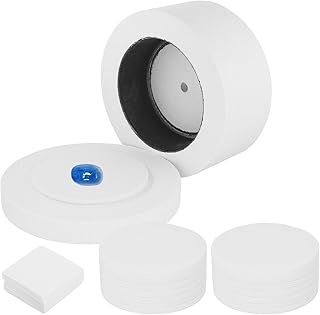
Frustrated by the cost and space of a full-size kiln just to fuse a few glass pieces? This Large Microwave Glass Kiln with 50 Paper Sheets makes small-batch work more practical. It provides a dedicated microwave-compatible setup for jewelry, ornaments, tiles, and other manageable projects, especially when you want to explore glass without dedicating substantial space to bulky equipment.
The generous paper supply is a genuine time-saver because kiln paper is consumed during firing and can be difficult to find when a project is already underway. Fifty sheets give makers more room to experiment, while the large kiln format should accommodate broader designs than a compact craft kiln. The papers also provide a controlled surface for arranging glass pieces before they are placed in the microwave.
For beginners, the combination lowers two common barriers: access to a kiln and having enough firing paper. It is best suited to artists working with compatible glass dimensions who understand that microwave power, cycle length, and ventilation can affect results. Follow the manufacturer’s firing instructions, use only microwave-safe equipment, and allow the kiln and paper to cool completely before opening or handling them.
- Large format supports varied small-batch projects
- Includes 50 kiln-paper sheets
- Useful for glass jewelry and decorative pieces
- Compact alternative to a full-size kiln
- Paper supply supports multiple firings
- Accessible entry point for glass crafting
- Firing results depend on the microwave and cycle used
- Kiln paper is a consumable that eventually needs replenishing
Get the Large Microwave Glass Kiln with 50 Paper Sheets now:
2. Glassco Bullseye Thinfire Kiln Paper 20×20 Five-Pack
This Glassco Bullseye Thinfire Kiln Paper 20×20 Five-Pack is ideal for bead makers, jewelry designers, kiln-glass hobbyists, and studio crafters who regularly need a dependable firing surface. The 20-by-20-inch format offers enough room for larger arrangements than small shelf sheets, while five sheets provide a practical reserve for repeat projects or experimentation with multiple firing layers.
Kiln shelf paper helps create a smooth, releasable surface beneath fused glass, which can be valuable when the finished piece should have a relatively clean face. The large format is especially useful for coordinated sets, pendants, cabochons, and decorative panels that benefit from being fired together. Because the paper is a consumable, keeping several sheets on hand prevents an interrupted project when a used sheet must be discarded.
Artists can cut the paper to suit their kiln shelf and project layout, making this option versatile for both microwave kilns and compatible larger kilns. It is best to follow the glass and kiln manufacturers’ recommended firing schedules because paper thickness, shelf construction, and atmosphere all influence release and fusion. Store the sheets flat and dry so they remain easy to handle and do not curl before use.
- Large 20-by-20-inch sheets
- Five sheets support several projects
- Designed for smooth glass-firing surfaces
- Useful for jewelry and grouped pieces
- Compatible with suitable kiln setups
- Easy to cut for different layouts
- Not a complete kiln system
- Large sheets may need trimming for smaller shelves
Get the Glassco Bullseye Thinfire Kiln Paper 20×20 Five-Pack now:
3. Tujoe 1 Pc Large Microwave Kiln for Pottery with 50
The standout feature of the Tujoe Large Microwave Pottery Kiln with 50-Piece Paper Set is its combination of a roomy microwave kiln and a substantial paper supply. It is designed for pottery and ceramic hobbyists who want to explore kiln-style firing without setting up a full-size electric kiln, making it particularly approachable for home studios, classrooms, and first-time clay crafters.
A large working area can accommodate broader slabs, tiles, sculptural forms, or several smaller pieces at once, depending on their dimensions and the manufacturer’s clearance requirements. The included paper provides a convenient surface for many compatible clay projects and removes the need to purchase a separate stack immediately. This is useful for repeat firing because clay pieces often need more than one controlled heating cycle to reach the desired finish.
The package is best for makers using clay formulations approved for microwave firing and projects that fit within the kiln’s stated capacity. Paper placement, microwave settings, and drying conditions can materially affect the outcome, so users should follow the supplied instructions rather than relying on arbitrary power levels. Ventilation, heat-resistant handling, and complete cooling are also important, particularly when working with thicker ceramic forms that may release moisture during firing.
- Large kiln supports varied pottery projects
- Includes 50 paper sheets
- Focused on microwave clay and ceramic work
- Useful for repeat firings
- Compact option for home craft spaces
- Approachable for beginners
- Only compatible clay and microwave settings should be used
- Included paper will need replacement over time
Get the Tujoe 1 Pc Large Microwave Kiln for Pottery with 50 now:
4. Crabcut Large Microwave Kiln with 50-Sheet Paper Kit
Unlike many microwave kilns sold as a bare chamber, this Crabcut kit comes with 50 kiln-paper sheets, avoiding the common frustration of having a usable kiln but no paper when a project is ready. That convenience makes it appealing to jewelry makers, pottery hobbyists, and beginners who want the basic supplies in one purchase rather than planning every accessory separately.
The large format offers room for varied fused-glass work, ceramic pieces, tiles, pendants, and decorative components, subject to the kiln’s actual interior measurements. Kiln paper gives makers a place to arrange projects and can contribute to a smoother firing surface. Fifty sheets also make the package feel more complete than a single-sheet setup, allowing users to complete several cycles before restocking this essential consumable.
Home users may find this combination easier to organize than a collection of mismatched accessories, while experienced artists can still repurpose it for small production runs. It is important to verify the interior dimensions, material compatibility, and firing guidance before committing a valuable piece. Microwave kilns require careful settings and ventilation, and neither the paper nor the kiln should be treated as heatproof immediately after a cycle.
- Kiln and 50 paper sheets in one package
- Large format for assorted craft projects
- Supports jewelry, pottery, and glass work
- Beginner-friendly starting point
- Useful supply of consumable paper
- Convenient for home studios
- Microwave compatibility and cycle settings are essential
- Project size is limited by the interior kiln dimensions
Get the Crabcut Large Microwave Kiln with 50-Sheet Paper Kit now: (See Also:Best Microwave Crowd Control Reviews)
5. Bullseye Thinfire Small Kiln Shelf Paper 5×5
Picture placing a batch of tiny pendants or checking a new glass combination on a five-inch sheet before committing to a full-size project. This Bullseye Thinfire paper is made for that kind of focused work, offering a compact surface for small tiles, jewelry components, test pieces, and other designs that do not benefit from oversized kiln paper.
Each 5-by-5-inch sheet is sized for convenient planning and can make it easier to keep multiple small pieces organized in a kiln. Fifteen sheets provide a useful count for repeat testing, and the paper is intended to help produce an ultra-smooth surface beneath fused glass. That makes it especially interesting for makers who care about the face of a pendant, tile, or decorative element and want a clean release surface.
The small format is also helpful when kiln shelf space is limited or when unused paper would be wasteful. Users should confirm that their microwave or kiln setup accepts this type of shelf paper and follow the recommended glass-firing cycle. Because release performance can vary with clay content, frit, shelf condition, and temperature, a small test piece is advisable before a complex or expensive design is fired.
- Fifteen sheets per pack
- Uniform 5-by-5-inch format
- Ideal for small jewelry and tiles
- Supports a smooth firing surface
- Reduces waste in compact kilns
- Useful for testing glass combinations
- Too small for many larger glass projects
- Requires a compatible kiln shelf and firing method
Get the Bullseye Thinfire Small Kiln Shelf Paper 5×5 now:
6. Large Microwave Kiln for Glass Fusing
For the price, the value of this Large Microwave Kiln for Glass Fusing comes from offering a dedicated chamber for small-batch work rather than expecting a complete professional studio system. It gives glass hobbyists a practical way to fuse compatible pieces at home, especially when a full-size electric kiln would be expensive, noisy, or impossible to accommodate in the available space.
The large format can be more accommodating than a tiny jewelry kiln, making it useful for grouped pendants, mosaic elements, tiles, and modest decorative panels. Its microwave-based operation also simplifies the basic firing process by using an appliance many makers already own. The kiln is best viewed as a focused tool for compatible craft glass, not a replacement for every industrial or high-temperature firing process.
Buyers should compare interior dimensions, included accessories, material restrictions, and warranty details before purchasing, since the listing name alone does not confirm what every package contains. Separate kiln paper may still be required, and firing schedules must be adapted carefully to the microwave and glass. It is best for beginners seeking access and experienced hobbyists who want convenient small-batch capacity.
- Large format supports varied small batches
- Compact home-studio footprint
- Uses a common household appliance for firing
- Lower entry point than an electric kiln
- Useful for jewelry and decorative glass
- Simple concept for new crafters
- Package contents should be verified before purchase
- Microwave settings strongly influence fusion results
Get the Large Microwave Kiln for Glass Fusing now:
7. Bullseye Thinfire Small Kiln Shelf Paper 5×5
Running out of kiln paper right before a planned glass-firing session can be frustrating, especially when a shelf sheet has already been creased, marked, or sized for the kiln. This Bullseye Thinfire pack addresses that inconvenience with 30 sheets, providing a larger reserve of 5-by-5-inch paper for test pieces, jewelry components, tiles, and repeat small-batch projects.
The compact sheets make it easier to use only the space required for a small arrangement rather than covering an entire shelf with oversized paper. Thirty sheets are also more convenient to organize than a handful of loose sheets, helping makers keep a dependable supply in the studio. Their intended smooth surface can improve the appearance of the glass face that contacts the paper during successful fusion.
This format is best for artists working in kilns with limited shelf space or with projects made from many small elements. It is not a kiln by itself, and users must follow compatible firing and shelf-cleaning instructions. Release can vary depending on the glass recipe, clay or frit content, and exact process, so test pieces remain sensible before attempting a valuable design.
- Thirty sheets reduce supply interruptions
- Compact 5-by-5-inch dimensions
- Designed for a smooth glass surface
- Useful for jewelry, tiles, and tests
- Easy to organize and store flat
- Compatible with suitable kiln setups
- Not suitable for projects requiring full shelf coverage
- Does not include a kiln or firing controls
Get the Bullseye Thinfire Small Kiln Shelf Paper 5×5 now:
8. Ctosree 12×12 Ceramic Fiber Kiln Liner Gasket
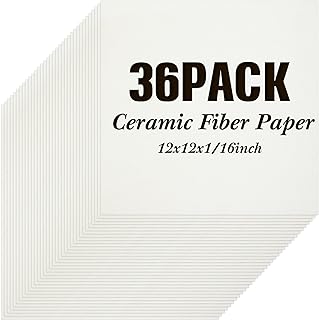
This Ctosree 12×12 Ceramic Fiber Kiln Liner Gasket is ideal for kiln builders, furnace hobbyists, glass-firing crafters, and maintenance-conscious users who need a flexible high-temperature paper component. It can be used as a liner or gasket in compatible equipment, giving DIY makers a way to address insulation, spacing, or protective-surface needs without fabricating every refractory part from scratch.
The set includes 36 white ceramic-fiber sheets measuring 12 by 12 inches and approximately 1/16 inch thick. That combination offers a useful balance of material for projects requiring multiple pieces or replacement over time. The square format can be cut or arranged according to the dimensions of the target kiln, stove, fireplace, or glass-fusing setup, although users should follow the equipment manufacturer’s guidance.
Ceramic fiber is valued for its low weight and high-temperature performance, but correct installation matters more than simply placing it inside a hot chamber. It is a liner or gasket, not a kiln shelf, and it should not be assumed to carry glass directly unless the product design and firing instructions specifically allow that. Keep the material dry during storage and inspect it for fraying or physical damage before each use.
- Thirty-six sheets provide a useful reserve
- Twelve-inch square format is adaptable
- Approximately 1/16-inch thick
- White ceramic-fiber construction
- Suitable for liner and gasket projects
- Lightweight material simplifies handling
- Not intended as a load-bearing kiln shelf
- Must be installed according to kiln compatibility
Get the Ctosree 12×12 Ceramic Fiber Kiln Liner Gasket now:
9. Chunful 15.5-Inch Thick Octagon Kiln Shelf
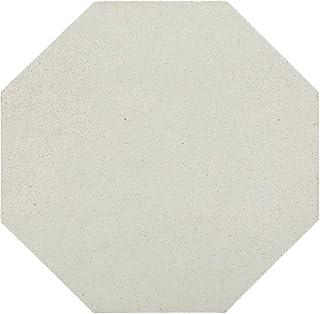
The standout feature of the Chunful shelf is its substantial 5/8-inch thickness, combined with a wide 15.5-inch octagonal format and a listed temperature rating up to 2,282°F. That rigid profile gives glass and ceramic makers a durable surface for supported firing, rather than relying on a thin temporary layer of paper for larger or more heavily arranged projects. (See Also:Best Popcorn Popper Microwave Reviews)
The octagonal shape provides a broad central work area while keeping the edges distinct and easy to handle with appropriate heat-protection equipment. It is intended for use in compatible kilns constructed from cordierite or mullite, including many glass-firing and ceramic setups. Unlike disposable shelf paper, this reusable-style component can support successive projects when clean, dry, and free from damaged residue.
Its size and weight may make it more appropriate for studio equipment than tiny microwave kilns, so buyers should measure both the shelf area and door clearance before ordering. Although the title indicates broad kiln compatibility, users should still confirm dimensions, shelf supports, and manufacturer temperature limits. Never place cold glass on a hot shelf or subject the piece to rapid temperature changes outside the firing schedule.
- Rigid 5/8-inch construction
- Wide 15.5-inch octagonal surface
- Rated up to 2,282°F
- For glass fusing and ceramics
- Suitable for many cordierite and mullite kilns
- More durable than disposable paper
- May be too large or heavy for small microwave kilns
- Compatibility requires checking kiln dimensions
Get the Chunful 15.5-Inch Thick Octagon Kiln Shelf now:
10. Microwave Kiln Shelf Paper 5×5 Thirty-Sheet Pack
Unlike paper that shifts, wrinkles, or is difficult to size around a project, this 5-inch kiln shelf paper provides a more uniform starting point for microwave glass firing. The 30-sheet pack is useful for makers who dislike cutting oversized material for every small arrangement or replacing a single crumpled sheet after each firing cycle.
Each 5-by-5-inch sheet offers a compact surface for jewelry findings, small tiles, pendants, test combinations, and other pieces that benefit from careful spacing. The paper is intended to support an ultra-smooth finish, which is important when the exposed face of the fused glass needs to look polished. Thirty pieces also make it easier to maintain a ready reserve in a frequently used craft area.
This pack is best for compatible microwave kiln systems and glass projects that fit comfortably on a small sheet. Users should follow the kiln and glass manufacturers’ recommended temperatures and dwell times because the microwave’s wattage and cycle settings can change the result. Store the sheets in a dry, flat location, and never assume that smooth paper alone compensates for incompatible glass or an unsuitable firing schedule.
- Thirty sheets per pack
- Uniform five-inch format
- Supports smooth fused-glass surfaces
- Useful for small jewelry and tiles
- Convenient for repeated microwave firings
- Compact and easy to organize
- Too small for larger shelf-covering projects
- Does not include a microwave kiln
Get the Microwave Kiln Shelf Paper 5×5 Thirty-Sheet Pack now:
Best Microwave Glass Kiln Buying Guide
1. What Is a microwave glass kiln?
A microwave glass kiln is a small, enclosed heating chamber used for heat-based glasscraft projects such as fusing and slumping compatible glass. It is designed to work with a compatible microwave rather than a conventional kiln, and the process still requires careful load preparation and temperature control. It benefits beginners, hobbyists, and educators who want repeatable results in a compact footprint, although it does not replace a full-size kiln for every workload.
Think of it as a controlled craft tool rather than a miniature version of every traditional kiln. The best fit depends on the glass formulation, project size, and whether the microwave can supply the required operating environment.
2. Key Features That Actually Matter
In practice, specifications can look similar across listings, but their practical value varies. Use these factors to compare how each kiln behaves in an actual home or studio workflow.
- Look for steady, repeatable results across the projects and load sizes you realistically expect to use rather than judging only peak output.
- Inspect the outer shell, seams, shelf supports, and controls for rigidity, alignment, and signs of poor finishing. Durable components can make cleaning and repairs easier.
- Favor controls and instructions that are understandable on the first try. Avoid a level kiln full of difficult setup or undocumented steps.
- Measure the microwave cavity, shelf clearance, and door clearance before ordering. Capacity that is awkward in your actual workspace may be impractical.
- Compare current costs, required accessories, replacement shelves, and expected lifespan rather than just the sticker price. This reveals whether spending more suits your usage pattern.
- Research warranty length, support availability, and the availability of replacement parts. Long-term reliability matters more when you plan to use the kiln often.
- Confirm approved microwave wattage, cavity dimensions, turntable requirements, and placement rules. Electrical fit must be based on the kiln instructions, not assumption.
3. How to Choose the Right microwave glass kiln
Begin by listing the kinds and quantities of glass you expect to process, then measure the intended location. Match those needs with the Top 10 list by checking verified compatibility, usable capacity, control layout, and the availability of replacement parts.
Set a realistic budget for the kiln, required accessories, and future consumables. New users may gain more from clear controls and dependable temperature behavior than from advanced options they rarely use. (See Also:Best 24 Inch Microwave Base Cabinet Reviews)
Before checkout, confirm the microwave requirements, read owner feedback, and consider how much attention you can give loading, cooling, and cleaning. This prevents a polished but unsuitable purchase.
4. Common Buyer Mistakes to Avoid
These mistakes are common because the process seems deceptively simple. Small oversights can waste glass, damage accessories, or narrow the safe operating window.
- Do not assume every microwave is compatible. An undersized or incorrectly configured appliance can prevent the kiln from operating safely; confirm wattage, cavity requirements, and placement rules before ordering.
- Do not overload the shelf or block required airflow. Crowded or poorly spaced work can lead to uneven heating, trapped debris, and pieces touching; preserve the stated clearance and load limits.
- Do not skip the shelf supports or improvise with unknown materials. A mismatch can distort the project, stick to the shelf, react to heat, or contaminate the kiln; use only documented compatible components.
- Do not use untested glass, damp pieces, or materials that release troublesome fumes. Residue and uneven drying can cause cracking or poor results; confirm material compatibility and start with clean, dry test pieces.
- Do not rush cooling, cleaning, or inspections. Abrupt temperature changes, trapped ash, and damaged supports can shorten kiln life; follow the specified cooling routine, clean as directed, and replace worn consumables.
Microwave Glass Kiln FAQs: Common Questions Answered
Can beginners use a microwave glass kiln comfortably?
Yes, but start with small projects and read the full instructions before heating glass. Practice assembling simple pieces, learn how the included supports behave, and keep the work area clear. A first-time user should also understand that cooling times, temperature differences, and moisture can affect the finished piece.
Does every microwave work with a glass kiln?
No. Compatibility depends on the kiln design, microwave wattage, cavity dimensions, turntable layout, and the manufacturer’s instructions. Some setups require a particular microwave type or the removal of a turntable, while others may not be suitable. Confirm the stated requirements and never bypass a safety system or use an unapproved appliance.
What signs usually indicate better build quality?
Useful signs include a rigid outer shell, smooth joins, stable supports, responsive controls, and documentation that clearly explains loading and care. Check whether replacement shelves or accessories are available, since consumable parts affect long-term use. Also read verified owner feedback about warping, cracking, and temperature consistency rather than focusing only on appearance.
How reliable are these kilns with regular use?
Reliability depends on construction, compatible accessories, loading technique, and how carefully the unit is maintained. In regular use, inspect supports and shelves, follow cleaning guidance, and avoid abrupt loading or cooling practices that stress glass. A warranty can help, but consistent results usually come from correct preparation and disciplined routines more than from any single specification.
Is a higher-priced microwave glass kiln always better?
Not always. A lower-cost unit can be sensible for occasional, small projects if its construction and compatibility meet your needs. A higher price may be justified by steadier controls, better documentation, stronger components, or useful accessories. Compare the cost of required accessories and replacement parts along with the kiln itself, not just the purchase price.
What maintenance does a microwave glass kiln require?
Allow the kiln and glass to cool exactly as directed, then inspect the chamber, shelf, and supports for residue or damage. Clean only with the approved method, because moisture, abrasive tools, and sudden temperature changes can cause problems. Keep replacement consumables on hand and store glass components separately when they are not in use.
Final Verdict
The best microwave glass kiln is not necessarily the one with the longest specification list; it is the one that matches your microwave, project scale, skill level, and tolerance for a compact workflow. Favor stable construction, clear instructions, replaceable parts, and a support system that fits your usual glass. If you expect frequent production, larger capacity may justify added cost. For beginners, a smaller, straightforward setup with strong guidance is often easier to master. Use the roundup to narrow the field, then verify compatibility and safe operating procedures before purchasing.