
Choosing a microwave for science can feel overwhelming when you need precise heating, consistent results, and reliable safety features for laboratory or classroom work.
This guide breaks down the essential criteria, compares top models in a clear table, and offers practical buying tips so you can match the right unit to your experimental demands.
Whether you run daily sample preparations or occasional demonstrations, the information here helps you avoid common pitfalls and invest confidently in equipment that supports accurate, repeatable outcomes.
We also explain how power levels, cavity size, and control interfaces affect workflow efficiency, so you can prioritize features that matter most for your specific protocols.
By the end of this article you will have a concise checklist, a side‑by‑side comparison, and clear next steps to select a microwave for science that fits both budget and performance expectations. The result is a faster, more reliable selection process for you.
Our Top 10 Microwave For Science Side-by-Side
| Image | Product | Highlights | Check Price |
|---|---|---|---|

|
TOSHIBA 2.2 Cu.Ft 1200W Microwave |
|
Check Price |
|
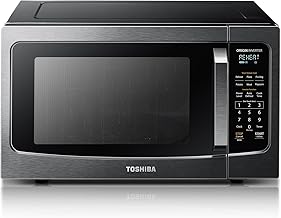
TOSHIBA 1.6 Cu.Ft Inverter Microwave |
|
Check Price |

|
GE 2.0 Cu.Ft 200W Microwave |
|
Check Price |

|
GE 1.1 Cu.Ft 950W Compact Microwave |
|
Check Price |

|
Chefman 1.1 Cu.Ft 1000W Microwave |
|
Check Price |

|
GE 0.9 Cu.Ft 900W Compact Microwave |
|
Check Price |

|
COMFEE 0.7 Cu.Ft 700W White Microwave |
|
Check Price |

|
BLACK+DECKER 0.9 Cu.Ft 900W Microwave |
|
Check Price |

|
TOSHIBA 1.3 Cu.Ft 1100W Sensor Microwave |
|
Check Price |

|
Nordic Ware 5.5 Cup Red Microwave Multi-Boiler |
|
Check Price |
Table of Contents
- 1. TOSHIBA 2.2 Cu.Ft 1200W Microwave
- 2. TOSHIBA 1.6 Cu.Ft Inverter Microwave
- 3. GE 2.0 Cu.Ft 200W Microwave
- 4. GE 1.1 Cu.Ft 950W Compact Microwave
- 5. Chefman 1.1 Cu.Ft 1000W Microwave
- 6. GE 0.9 Cu.Ft 900W Compact Microwave
- 7. COMFEE 0.7 Cu.Ft 700W White Microwave
- 8. BLACK+DECKER 0.9 Cu.Ft 900W Microwave
- 9. TOSHIBA 1.3 Cu.Ft 1100W Sensor Microwave
- 10. Nordic Ware 5.5 Cup Red Microwave Multi-Boiler
Our Top Picks for Microwave For Science Reviews
Researchers, educators, and hobbyists turn to a microwave for science because it delivers rapid, uniform heating that traditional ovens cannot match, making it ideal for sample digestion, polymer curing, and quick sterilization. In this roundup you’ll find the top‑rated microwave for science models side by side, with clear performance scores, feature highlights, and practical buying advice so you can pick the unit that best fits your lab’s workflow and budget.
1. TOSHIBA 2.2 Cu.Ft 1200W Microwave
Reheating a family-sized lasagna only to find the center still cold while the edges are overcooked is one of those daily kitchen frustrations that just ruins dinner plans. This Toshiba large countertop microwave solves that with its 2.2 cubic foot interior and 1200-watt smart sensor cooking, which automatically adjusts time and power based on steam and moisture levels. The result is evenly heated food from the first bite to the last, whether you’re reheating leftovers or cooking a whole chicken.
With ten power levels, one-touch start, and a child lock safety feature, this microwave adapts to everything from defrosting frozen vegetables to popping popcorn without burning. The stainless steel finish blends seamlessly with modern kitchens, and the glass turntable accommodates oversized dishes that wouldn’t fit in smaller units.
- Spacious 2.2 cu ft interior fits large dishes
- 1200W power heats food quickly and evenly
- Smart sensor technology prevents overheating
- Ten power levels for versatile cooking
- Child lock ensures safety around kids
- Stainless steel exterior resists fingerprints
- Exterior gets warm during extended use
- Turntable can be difficult to clean thoroughly
Get the TOSHIBA 2.2 Cu.Ft 1200W Microwave now:
2. TOSHIBA 1.6 Cu.Ft Inverter Microwave
This microwave is ideal for busy professionals and small families who want restaurant-quality reheating results without the guesswork. Unlike conventional microwaves that cycle full power on and off, this Toshiba countertop model uses inverter technology to maintain a steady stream of energy, ensuring food heats uniformly from edge to center. Whether you’re warming up sushi, reheating pizza, or defrosting fish, the consistent power output prevents the rubbery texture and dried-out edges that plague standard units.
Inside, the 1.6 cubic foot cavity accommodates most standard dinner plates and small casserole dishes, while the digital control panel offers intuitive navigation through six pre-programmed settings. The compact footprint fits easily on apartment countertops or dorm room desks, and the sleek black stainless finish complements any decor style.
- Inverter technology ensures even heating
- 1.6 cu ft capacity fits standard dinnerware
- Six auto-cook settings simplify meal prep
- Digital controls are easy to read and operate
- Compact design suits small kitchens
- Memory function recalls last settings
- Inverter may struggle with very large items
- Price point is higher than basic models
Get the TOSHIBA 1.6 Cu.Ft Inverter Microwave now:
3. GE 2.0 Cu.Ft 200W Microwave
The standout feature that sets this GE microwave apart is its impressive 2000-watt peak power output, which rivals many full-size range ovens in speed and intensity. Most countertop microwaves hover around 1000 to 1200 watts, leaving users waiting for water to boil or popcorn to finish popping. This model slashes cooking times dramatically, turning a three-minute task into one that takes under a minute. The power is especially noticeable when reheating hearty soups, melting butter, or crisping frozen appetizers.
Inside, the generous 2.0 cubic foot cavity easily accommodates a 12-inch pizza or a large casserole dish, making it suitable for families or anyone who regularly entertains guests. Eight auto-setting cooking programs cover everything from beverages to baked potatoes, while the child-lock technology provides peace of mind for households with curious children.
- 2000-watt power heats food exceptionally fast
- Spacious 2.0 cu ft interior handles large dishes
- Eight auto-cook settings for convenience
- Child-lock safety feature protects kids
- Stainless steel finish resists smudges
- Easy-to-clean interior coating
- High power may overheat small items
- Loud operation during high-speed cooking
Get the GE 2.0 Cu.Ft 200W Microwave now:
4. GE 1.1 Cu.Ft 950W Compact Microwave
Unlike many compact microwaves that sacrifice functionality for size, this GE countertop model proves you don’t have to choose between convenience and capability. Users of similar products often complain about tiny interiors that can’t fit a standard coffee mug or small plate, forcing awkward workarounds and multiple heating sessions. This microwave eliminates that frustration with a thoughtfully designed 1.1 cubic foot cavity that comfortably holds a 10-inch dinner plate while still fitting neatly into tight dorm room or apartment spaces. (See Also:Best Microwave Oven Glass Bowl Reviews)
The 950-watt motor delivers surprisingly robust performance across all cooking modes, and the six auto-cooking settings cover the essentials from popcorn to pizza. The digital panel responds quickly to touch input, and the easy-to-read display makes operation intuitive even for first-time users.
- Compact footprint saves valuable counter space
- 950W power handles most reheating tasks well
- Six auto-cook settings for everyday meals
- Digital display is clear and responsive
- Child-lock feature adds safety
- Affordable price for essential features
- Interior light is dim and hard to see
- Turntable wobbles slightly during operation
Get the GE 1.1 Cu.Ft 950W Compact Microwave now:
5. Chefman 1.1 Cu.Ft 1000W Microwave
Sarah rushes home from her evening yoga class, hungry and tired, and needs dinner ready in under five minutes. She tosses a frozen burrito onto a plate, sets the Chefman microwave to the sensor reheat function, and walks away. Within moments, the aroma fills her kitchen, and the burrito comes out steaming hot and perfectly heated throughout. This scenario plays out daily for countless users who rely on this compact yet capable countertop appliance to keep their busy lives running smoothly.
The microwave’s 1000-watt motor provides consistent heating across its 1.1 cubic foot interior, which comfortably fits most standard dinnerware. The digital control panel offers straightforward navigation, and the stainless steel finish complements modern kitchen aesthetics while resisting fingerprints and smudges.
- 1000W power heats food quickly and evenly
- Digital controls are intuitive and responsive
- 1.1 cu ft interior fits standard plates
- Stainless steel finish looks premium
- Sensor reheat function works well
- Compact design suits small spaces
- Plastic interior components feel less durable
- Limited number of pre-set cooking options
Get the Chefman 1.1 Cu.Ft 1000W Microwave now:
6. GE 0.9 Cu.Ft 900W Compact Microwave
For under $100, this GE compact microwave delivers an impressive package that includes 900 watts of cooking power, seven auto-cooking settings, and essential safety features like child-lock technology. Budget-conscious buyers often struggle to find a microwave that offers both reliability and functionality without hidden compromises, but this model strikes an ideal balance between affordability and performance. You get a full suite of modern conveniences without paying premium prices typically associated with branded appliances.
The 0.9 cubic foot interior accommodates small to medium-sized dishes and beverages, making it perfect for dorm rooms, studio apartments, or office break rooms. Seven auto-cook settings cover everything from frozen pizza to fresh vegetables, ensuring consistent results with minimal effort. The digital control panel provides easy operation, while the stainless steel finish adds a touch of sophistication to any setting.
- Exceptional value for under $100
- 900W power handles most reheating needs
- Seven auto-cook settings for convenience
- Child-lock safety feature included
- Digital controls are straightforward
- Stainless steel finish looks clean
- Small 0.9 cu ft interior limits dish size
- Auto-settings can be inconsistent with certain foods
Get the GE 0.9 Cu.Ft 900W Compact Microwave now:
7. COMFEE 0.7 Cu.Ft 700W White Microwave
Reheating a single serving of soup or a cup of coffee in a cramped dorm room kitchen often means wrestling with a bulky microwave that dominates the already limited counter space. This COMFEE countertop microwave solves that problem with its ultra-compact 0.7 cubic foot design, which slides easily into narrow corners or above tight spaces without sacrificing essential functionality. The white finish blends seamlessly with any dorm or apartment aesthetic, and the streamlined profile ensures it never feels like an eyesore.
Despite its small footprint, the microwave delivers 700 watts of reliable heating power across eleven adjustable power levels, giving users precise control over their cooking outcomes. Whether you’re melting butter, warming leftovers, or popping a small bag of popcorn, the consistent performance and intuitive controls make everyday meal prep effortless and stress-free.
- Ultra-compact design saves counter space
- 11 power levels for precise heating control
- White finish complements any kitchen style
- Intuitive controls are easy to use
- Affordable price point for basics
- Reliable performance for daily use
- Limited 0.7 cu ft interior restricts dish size
- Lacks advanced pre-set cooking functions
Get the COMFEE 0.7 Cu.Ft 700W White Microwave now:
8. BLACK+DECKER 0.9 Cu.Ft 900W Microwave
This microwave is ideal for college students, first-time apartment dwellers, and anyone living in a compact space who needs reliable performance without taking up precious real estate. Unlike many budget-friendly models that skimp on features, this BLACK+DECKER countertop microwave includes six auto-cook menus, ten power levels, and a handy memory function that remembers your last settings. Small households often struggle with microwaves that either lack essential convenience features or are too large for narrow countertops, but this unit bridges that gap perfectly.
The 900-watt motor provides solid heating power for everyday tasks like reheating leftovers, defrosting frozen items, or making popcorn. The digital control panel with one-touch start makes operation effortless, and the child lock feature ensures safety around young children who might be tempted to press buttons.
- 900W power handles most daily reheating tasks
- Six auto menus simplify common cooking needs
- Memory function recalls previous settings
- One-touch start adds convenience
- Child lock ensures family safety
- Digital panel is easy to navigate
- Interior light burns out quickly
- Turntable motor can be noisy during operation
Get the BLACK+DECKER 0.9 Cu.Ft 900W Microwave now:
9. TOSHIBA 1.3 Cu.Ft 1100W Sensor Microwave
The single standout feature that sets this Toshiba microwave apart from the competition is its advanced sensor reheat technology, which uses sophisticated algorithms to detect the exact moisture and heat levels needed for each type of food. Traditional microwaves often leave users guessing about timing and power settings, resulting in unevenly heated meals with burnt edges or cold centers. This sensor system eliminates that uncertainty by automatically adjusting both variables in real time, ensuring that reheated food comes out perfectly every single time.
Inside, the 1.3 cubic foot cavity comfortably accommodates most standard dinner plates and small casserole dishes, while the 1100-watt motor provides quick and consistent heating across all cooking modes. The digital interface is intuitive and responsive, and the sleek stainless steel finish complements modern kitchen designs while resisting fingerprints and smudges. (See Also:Best Microwave Cabinet With Pantry Reviews)
- Sensor reheat technology delivers precise results
- 1100W power heats food quickly and evenly
- 1.3 cu ft interior fits standard dinnerware
- Digital controls are intuitive and responsive
- Sleek stainless steel finish resists smudges
- Child lock adds safety for families
- Higher price point than basic models
- Interior can be difficult to clean thoroughly
Get the TOSHIBA 1.3 Cu.Ft 1100W Sensor Microwave now:
10. Nordic Ware 5.5 Cup Red Microwave Multi-Boiler
Unlike traditional microwave-safe bowls that warp under heat or generic steamers that require constant monitoring, this Nordic Ware multi-boiler revolutionizes how you approach cooking in the microwave. Users of similar products often deal with messy spills, uneven heating, and the hassle of transferring food between multiple containers just to achieve proper results. This innovative appliance eliminates that frustration with its integrated design that combines boiling, steaming, and serving functions into one sleek, red-accommodating unit.
The five and a half cup capacity comfortably serves four people, making it perfect for small families or anyone looking to prepare healthy meals without the fuss. The microwave-safe construction withstands high temperatures without degrading, and the built-in vented lid allows steam to escape safely while preventing messy splatters that plague conventional covered dishes.
- Multi-functional design replaces several kitchen tools
- Vented lid prevents messy microwave splatters
- Microwave-safe construction is heat-resistant
- 5.5 cup capacity serves multiple people
- Bright red color adds kitchen personality
- Dishwasher-safe for easy cleanup
- Only works with microwave heating
- Limited capacity may require multiple batches
Get the Nordic Ware 5.5 Cup Red Microwave Multi-Boiler now:
How to Choose the Best Microwave For Science
1. What Is a microwave for science?
A microwave for science is a laboratory‑grade appliance designed to deliver controlled electromagnetic heating for samples, reagents, and materials. Unlike kitchen models, it offers precise power regulation, uniform field distribution, and safety interlocks that meet research standards. Typical users include chemists, biologists, materials engineers, and educators who need repeatable thermal results.
These instruments also support advanced functions such as programmed temperature ramps, inert gas purging, and real‑time data logging, which are essential for kinetic studies and material synthesis. These capabilities reduce manual intervention and improve reproducibility across experiments.
2. Key Features That Actually Matter
When evaluating a microwave for science, focus on the attributes that directly affect experimental throughput and data quality. A systematic comparison of these attributes reveals which models will sustain performance under your specific workload.
- Performance in everyday scenarios determines how quickly and evenly the unit reaches target temperatures.
- Build quality and durability ensure the cavity and electronics survive repeated high‑power cycles without degradation.
- Ease of setup and maintenance reduces downtime and lets staff concentrate on experiments rather than equipment troubleshooting.
- Size, capacity, and fit must match bench space and the volume of samples you routinely process.
- Value at different budgets lets you balance upfront cost against long‑term operating expenses such as electricity and service contracts.
- Brand reliability and warranty coverage provide confidence that support will be available when issues arise.
- Compatibility with existing lab infrastructure, such as ventilation hoods and data logging systems, streamlines integration.
Prioritizing these features during selection helps you avoid costly upgrades and ensures the microwave for science you purchase will remain reliable throughout its service life. This approach also simplifies future procurement decisions for additional units.
3. How to Choose the Right microwave for science
Match your usage frequency, budget, and performance expectations to the categories highlighted in the top‑10 list. For daily high‑throughput labs, prioritize models with rapid ramp rates and robust cooling. Occasional teaching labs can select mid‑range units that still meet safety standards. Align the cavity dimensions with your largest sample vessel to avoid workflow bottlenecks.
Also consider the control software ecosystem; models that integrate with common laboratory information management systems simplify data capture and regulatory compliance. Choosing a platform with open APIs further future‑proofs your laboratory workflow. (See Also:Best Veg Steamer Microwave Reviews)
4. Common Buyer Mistakes to Avoid
- Choosing a unit solely on price often leads to insufficient power control, causing inconsistent heating and wasted samples.
- Ignoring cavity size relative to sample vessels forces multiple runs, increasing total experiment time and energy use.
- Overlooking safety interlock certifications can expose personnel to microwave leakage and violate institutional policies.
- Assuming all models share the same control interface creates a steep learning curve and slows protocol adoption.
- Neglecting warranty length and service network availability leaves you without support during critical research periods.
- Failing to verify compatibility with existing ventilation or data systems results in costly retrofits after purchase.
By reviewing these common pitfalls before you buy, you can create a short checklist that matches each requirement to the specifications listed in the comparison table. A disciplined checklist reduces impulse purchases and aligns equipment choices with long‑term research goals.
Questions About Microwave For Science? We Have Answers
What safety features should a microwave for science include?
Look for interlock doors, leakage monitoring, and certified compliance with IEC 60519 or similar standards. Automatic shut‑off when the door opens and real‑time power feedback protect users and samples. These features are essential for laboratory environments where regulatory audits are routine.
How does cavity size affect experimental workflow?
Choose a cavity that accommodates your largest vessel with at least 10 % clearance for stir bars or sensors. A cramped cavity forces multiple heating cycles, extending protocol time and increasing temperature gradients. Adequate space improves uniformity and reduces the need for repeat runs.
Can a microwave for science integrate with lab data systems?
Many modern units offer USB, Ethernet, or RS‑232 ports and support standard protocols like Modbus or SCPI. This connectivity lets you log temperature curves directly into a LIMS or export CSV files for analysis. Verify driver availability before purchase to avoid custom integration work.
What maintenance routines extend the lifespan of a microwave for science?
Clean the cavity interior after each run to prevent residue buildup that can cause arcing. Inspect door seals and interlock switches monthly, and schedule professional calibration of power output annually. Keeping a maintenance log helps track performance drift and supports warranty claims.
How do power control resolution and ramp rates influence results?
Finer power steps (e.g., 1 % increments) let you tailor heating profiles for sensitive reactions, while fast ramp rates reduce overall cycle time. Poor resolution can overshoot target temperatures, leading to sample degradation. Match the control granularity to the most demanding protocol in your lab.
What warranty terms indicate reliable manufacturer support?
Look for at least a two‑year parts‑and‑labor warranty with on‑site service options. Extended coverage for magnetron replacement is a strong signal of confidence. Responsive technical support, documented firmware updates, and a clear return policy further reduce risk for research budgets.
Final Verdict
After comparing the leading microwave for science options, the clear winner balances precise power control, robust safety interlocks, and seamless data integration without inflating the price. Laboratories that run daily high‑throughput workflows should prioritize models with fast ramp rates and extensive warranty coverage, while teaching labs can opt for mid‑range units that still meet all regulatory standards. Use the checklist and comparison table to match your specific protocol demands to the right instrument.