
Choosing the right microwave cables can feel confusing when listings use unfamiliar terms, inconsistent measurements, and vague claims. It is natural to wonder whether a cable will work with your equipment, whether it is built for daily use, and how much you should spend. The wrong choice can mean wasted money, awkward installation, or unreliable performance, while an overengineered option may be more than you need. This guide offers a practical way to narrow the field without assuming advanced technical knowledge. It explains the comparison table, highlights the buying factors that deserve the most attention, and shows how to assess fit, construction, compatibility, and ongoing value. By the end, you should be able to approach microwave cables with clear questions, realistic expectations, and confidence in the option that best suits your setup. That confidence comes from comparing options side by side rather than relying on promotional language or inflated claims.
Comparison Table: Top 1 Microwave Cables
| Image | Product | Highlights | Check Price |
|---|---|---|---|
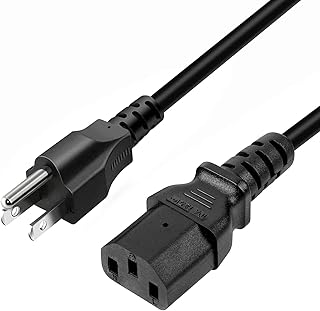
|
3-Prong Microwave Power Cord Replacement Cable |
|
Check Price |
Table of Contents
Detailed Review of Top 1 Microwave Cables
Microwave cables look deceptively simple, yet the difference between a well-matched cable and a poor fit can show up as lost performance or damaged equipment. They are popular with radio hobbyists, installers, and anyone assembling microwave-frequency equipment because small specification differences matter. In this Top 1 microwave cables review, readers can expect top-rated picks compared for compatibility, construction, ease of use, and value, with practical guidance for narrowing the choice.
1. 3-Prong Microwave Power Cord Replacement Cable
A microwave that suddenly refuses to power on can be especially frustrating when you rely on it for quick meals, reheating leftovers, or busy morning routines. This replacement cable addresses that everyday problem by providing a new connection for compatible Instant Pot pressure cookers, rice cookers, Quick Pots, microwaves, soy milk makers, and other compatible appliances with matching three-prong power requirements.
The three-prong design offers a practical replacement option for a damaged, worn, or missing cord. Installation is straightforward: compare the connector and appliance requirements, unplug the appliance, and carefully attach the replacement according to the manufacturer’s instructions. Its broad appliance compatibility also makes it convenient for households that want one spare cord capable of covering several compatible kitchen devices.
For basic reheating and cooking, a dependable cord can restore convenience without replacing the entire appliance. It is best suited to users who have confirmed that their appliance uses a compatible three-prong connection and whose model accepts this type of replacement cable. Anyone unsure about voltage, prong configuration, or installation should consult the appliance manual or a qualified technician before use.
- Designed for compatible three-prong connections
- Works with multiple compatible kitchen appliances
- Useful replacement for damaged or missing cords
- Simple connection for straightforward installation
- Helpful spare for busy household kitchens
- Supports microwaves and several cooking appliances
- Compatibility must be confirmed before installation
- Not designed for appliances with different connector configurations
Get the 3-Prong Microwave Power Cord Replacement Cable now:
Buyer Guide for Microwave Cables
1. What Is a microwave cables?
A microwave cable carries high-frequency electrical energy between compatible components, such as antennas, radio-frequency modules, or test equipment. Unlike an ordinary power cord, its frequency range, impedance, connector style, and signal loss must match the system. The cable also needs to suit the routing, bending, and environment where it will be installed. (See Also:Best Microwave Kenmore Reviews)
These cables are most useful to hobbyists, installers, technicians, and experimenters working with microwave-frequency equipment. Even a basic home setup benefits from correct sizing and secure connections, because a mismatch can reduce performance or damage components. Always follow the equipment manufacturer’s requirements and avoid improvising connections.
2. Key Features That Actually Matter
Prioritize the specifications that affect performance, installation, and service life:
- For everyday scenarios, verify the frequency range, power handling, impedance, and signal loss against the equipment requirements. Confirm stable performance over your expected route and operating conditions.
- Build quality affects longevity. Look for effective shielding, sound conductor construction, secure connectors, and strain relief, especially where the cable will be moved, routed, or repeatedly handled.
- Setup is easier with clear labeling, compatible connectors, practical lengths, and useful instructions. Favor a design that connects without improvised tools while following all equipment safety guidance.
- Check size, capacity, and fit together. Measure the space and route, confirm connector gender and interface type, and verify the cable’s power capacity or supported data rate.
- Value depends on the job, not a low price alone. A temporary setup may need less than a permanent or high-frequency installation, while frequent use can justify stronger construction and support.
- Judge reliability through consistent specifications, honest documentation, and a warranty with a clear replacement process. Clear technical support makes a limited warranty more meaningful.
- Check both ends of the connection and the limits of every attached accessory. A physically similar cable may still fall outside the required frequency, impedance, or power range.
3. How to Choose the Right microwave cables
Start with how often and how far the equipment will operate. A short, occasional bench connection has different needs from a fixed or frequently handled route, and continuous use places more importance on secure fittings and low loss.
Then set a realistic budget and list your expected performance. Use the Top 1 list to compare only options that meet those requirements, then check fit, documentation, warranty, and replacement availability. If two choices appear equivalent, choose the one with clearer specifications and a more practical installation.
4. Common Buyer Mistakes to Avoid
Common mistakes often come from focusing on connector shape or price while ignoring the rest of the system.
- Choosing by connector appearance alone can produce poor electrical matching. Read the complete specifications for both devices and avoid forcing an adapter that changes the required impedance or frequency behavior.
- Buying excessive extra length increases clutter and may add avoidable loss. Measure first, include a modest amount of service slack, and preserve the minimum bend radius required by the cable.
- Ignoring installation conditions can shorten service life. Keep connections dry, strain-free, and away from heat, sharp edges, and moving parts, even when the jacket appears durable.
- Assuming every included adapter is suitable can create hidden compatibility problems. Verify adapter ratings and connector pairing, and keep spare parts that are known to meet the same specifications.
- Waiting for a damaged cable to fail can interrupt equipment or create a safety issue. Inspect the ends and jacket regularly, replace damaged parts promptly, and disconnect power before handling connections.
Microwave Cables FAQs: Common Questions Answered
Can microwave cables work with any microwave-frequency equipment?
No. A cable must satisfy the system’s required frequency range, impedance, connector type, and maximum power or signal level. Matching only the connector shape is not enough because internal construction can cause unacceptable loss. Before buying, check both connected devices or consult the system documentation for every relevant specification. (See Also:Best Kitchen Pantry With Microwave Reviews)
How do I know which connector and cable length I need?
Inspect both connection ports and measure the intended route rather than guessing from cable diameter. Allow enough slack to position equipment without sharp bends, but avoid excess length when it adds loss. If a port has an adapter, confirm the adapter’s electrical rating and whether the combined connection still meets the equipment specifications.
What signs suggest a microwave cable is low quality?
Keep an eye on inconsistent shielding, loose connectors, thin or uneven jackets, and poor strain relief at either end. These signs can indicate inadequate manufacturing or shipping damage. A low price alone does not prove poor quality, but a listing with sparse specifications, unclear dimensions, or missing compatibility details deserves caution.
Are unbranded microwave cables good value for occasional use?
They can be, provided the specifications and construction are clearly documented. Light or occasional applications may not justify premium construction, but every cable still needs a suitable frequency range, impedance, and secure connector. Compare warranty coverage, available documentation, and actual specification claims rather than deciding from appearance or price alone.
How often should I inspect and replace these cables?
Inspect cables before each setup and periodically afterward, especially near connectors, moving parts, and outdoor locations. Look for corrosion, pin movement, jacket cuts, heat exposure, or a connection that no longer seats firmly. Replace a damaged cable rather than relying on tape or an adapter to restore mechanical security, and follow the maker’s service guidance.
Is a longer microwave cable always better?
No. Longer runs can introduce more signal loss, especially at higher frequencies, and may require lower-loss construction that costs more. Choose the shortest practical length that still allows installation without strain or tight bends. If the equipment manual specifies a maximum run or loss, treat that limit as a hard boundary. (See Also:Best Black Microwave Ovens Reviews)
Final Verdict
The strongest choice in this roundup is the microwave cable that matches your complete setup—not simply the one with the longest cable, lowest price, or most impressive specification sheet. Prioritize required frequency range, impedance, connector type, power or signal rating, and the physical route. Match those needs to your frequency of use and budget, then favor clear documentation, secure construction, and dependable support. Taking these steps should produce a safer, more predictable installation and a purchase you can evaluate with confidence.