
Choosing microwave cable assemblies should not feel like a guessing game, especially when your setup depends on getting the right connection without unnecessary frustration. Different projects involve different requirements and installation conditions, and small mismatches can undermine an otherwise careful plan. This guide brings those decisions into a clearer order so you can compare the leading options with confidence. You will find a side-by-side table that highlights the details worth checking, along with practical buying tips drawn from real-world experience. The advice is designed to help technicians, engineers, hobbyists, and other buyers make informed decisions and understand what matters before spending money. Read on to narrow the field, avoid common traps, and choose an assembly that suits your requirements rather than relying on guesswork. Whether you are replacing a worn component or planning a fresh installation, the goal is straightforward from the start, with every requirement clearly considered before purchase.
Best Microwave Cable Assemblies Comparison Table
| Image | Product | Highlights | Check Price |
|---|---|---|---|
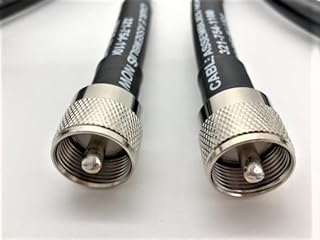
|
Times Microwave LMR-400 Cable, 50 Feet |
|
Check Price |

|
Times Microwave CST-240 Coaxial Connector Prep Tool |
|
Check Price |

|
Times Microwave EZ-600 N Male Connector |
|
Check Price |

|
Times Microwave LMR-195 N-to-TNC Cable, 6 Feet |
|
Check Price |

|
GE WB27X10037 Diode Cable Assembly for Microwave |
|
Check Price |

|
Times Microwave LMR-240 Bulk Cable, 100 Feet |
|
Check Price |

|
GE Microwave Door Handle Replacement, Latest Version |
|
Check Price |

|
Custom Cable Connection LMR-240 N-to-N Cable, 12 Feet |
|
Check Price |

|
Custom Cable Connection LMR-240 BNC Cable, 25 Feet |
|
Check Price |
Table of Contents
- 1. Times Microwave LMR-400 Cable, 50 Feet
- 2. Times Microwave CST-240 Coaxial Connector Prep Tool
- 3. Times Microwave EZ-600 N Male Connector
- 4. Times Microwave LMR-195 N-to-TNC Cable, 6 Feet
- 5. GE WB27X10037 Diode Cable Assembly for Microwave
- 6. Times Microwave LMR-240 Bulk Cable, 100 Feet
- 7. GE Microwave Door Handle Replacement, Latest Version
- 8. Custom Cable Connection LMR-240 N-to-N Cable, 12 Feet
- 9. Custom Cable Connection LMR-240 BNC Cable, 25 Feet
Detailed Review of Top 9 Microwave Cable Assemblies
Reliable connections start with the right microwave cable assemblies, yet the easiest choice is rarely obvious. Technicians, engineers, installers, and careful hobbyists need assemblies that suit their working environment, connection plan, and expectations. In this Top 9 microwave cable assemblies review, you can expect top-rated picks, direct comparisons, and clear buying guidance to help you separate the strongest candidates from the merely plausible.
1. Times Microwave LMR-400 Cable, 50 Feet
A weak or intermittent microwave feed can be frustrating, especially when the stock cable is too short, poorly terminated, or routed awkwardly. The Times Microwave LMR-400 Cable, 50 Feet provides a practical way to extend or rebuild that connection with a cable known for low loss and strong performance at higher frequencies.
For amateur radio, radio astronomy, Wi-Fi, CCTV, or other antenna projects, the 50-foot length offers useful installation flexibility while preserving a dependable 50-ohm coaxial path. Its heavier LMR-400 construction is a meaningful upgrade when signal quality matters more than minimum weight, particularly for longer runs, more demanding equipment, and professional connections.
One consideration is that this is cable, not a ready-made jumper: connectors, tools, and termination skill may be additional requirements. It also has more heft and bend radius than lighter coax. Buyers who need a compact, lightweight lead should choose a smaller LMR type or a preassembled assembly for their setup instead.
- Low-loss LMR-400 construction
- 50-foot length supports flexible routing
- 50-ohm coax suits common RF systems
- Heavier gauge supports demanding runs
- Useful across radio and antenna applications
- Can be terminated for custom cable lengths
- Connectors and termination tools are not included
- Heavier and less flexible than lighter coax
Get the Times Microwave LMR-400 Cable, 50 Feet now:
2. Times Microwave CST-240 Coaxial Connector Prep Tool
This tool is ideal for amateur radio builders, antenna technicians, cable installers, and serious home RF hobbyists who terminate coaxial connectors often. The Times Microwave CST-240 Coaxial Connector Prep Tool is designed specifically for LMR-240 work, helping standardize the cable preparation step before fitting compatible connectors with repeatable, connector-ready results.
Connector preparation matters because stripping, backspacing, and conductor shaping must match the connector design. A dedicated prep tool reduces guesswork and makes it easier to produce consistent crimps, especially when working on a workbench, tower, vehicle, or repeated batch of cables. It is a focused tool rather than a general-purpose stripper.
The advertised virtually all-connectors versatility is appealing for people who own several LMR-240 connector styles, but connector bodies and interfaces still need to be checked before purchase. The tool does not terminate the connector itself; pair it with the correct crimp tool, connector, and connector instructions for the complete installation.
- Designed for LMR-240 cable preparation
- Supports many compatible connector styles
- Helps standardize strip and prep dimensions
- Useful for repeated professional terminations
- Compact option for field or bench work
- Reduces guesswork during connector installation
- Requires a separate connector and crimping tool
- Not intended as a general-purpose cable stripper
Get the Times Microwave CST-240 Coaxial Connector Prep Tool now:
3. Times Microwave EZ-600 N Male Connector
The standout feature is the connector’s Easy Connector approach, which is intended to simplify installing an N male termination on LMR-600-size coax. The Times Microwave EZ-600 N Male Connector adds broad cable-family compatibility to a familiar N interface, making it useful when a rebuild requires a dependable, purpose-matched component for a planned RF build.
It is listed for LMR-600 and also CNT-600, RFC-600, and AX-600 cable, which is a major benefit for technicians working with more than one 600 designation. That range supports equipment changes and reduces the temptation to force an uncertain connector onto an unsuitable cable, incompatible connector family, or assembly.
Successful installation still depends on following the connector’s specified strip dimensions and using the correct crimping tool. The single-pack quantity also means installers should plan carefully before opening it. For a matched cable, connector, and process, it is a convenient option for radio, antenna, and data-style RF projects or custom test leads.
- Easy Connector design simplifies termination
- Works with LMR-600 coaxial cable
- Compatible with several 600 cable designations
- Provides a standard N male connection
- Suitable for custom RF assemblies
- Compact single-connector package
- Only one connector is included
- Requires the correct LMR-600 crimping tool and preparation process
Get the Times Microwave EZ-600 N Male Connector now:
4. Times Microwave LMR-195 N-to-TNC Cable, 6 Feet
A common annoyance with similar products is finding a short N-to-TNC lead only in the wrong length, poorly made termination, or unexpected connector configuration. The Times Microwave LMR-195 N-to-TNC Cable, 6 Feet solves that basic frustration with a factory-assembled six-foot run for projects that need N equipment connected to a TNC port.
LMR-195 offers a practical balance between attenuation, flexibility, and size for short radio or antenna connections. The 50-ohm coax construction is appropriate for many common 50-ohm RF systems, while the six-foot length is long enough to route around equipment yet small enough for benches, shelves, and portable setups without excess slack.
Buyers should confirm that their equipment truly uses N and TNC interfaces rather than BNC, SMA, or another look-alike. They should also inspect the connector interfaces upon arrival and route the lead without a sharp bend. In return, this assembly removes the need to buy cable and two connectors separately.
- Ready-made N male to TNC male assembly
- Six-foot length suits compact installations
- Flexible LMR-195 coax construction
- 50-ohm cable for common RF systems
- Eliminates separate cable termination work
- Useful for radio and antenna connections
- Fixed length may not suit every installation
- Connector types must be verified before ordering
Get the Times Microwave LMR-195 N-to-TNC Cable, 6 Feet now:
5. GE WB27X10037 Diode Cable Assembly for Microwave
Picture a technician replacing a microwave whose diode lead has cracked, pulled loose, or developed damaged insulation near a moving door hinge. The GE WB27X10037 Diode Cable Assembly provides a purpose-made harness for that repair scenario, reducing the need to fabricate a replacement from loose wire and uncertain routing in the cabinet.
A molded cable assembly can make reinstallation more orderly because its shape, conductor arrangement, and terminal relationships are already defined by the original design. It is especially relevant for restoring a damaged GE microwave connection after a repair, provided the part number matches and the cable is not kinked, pinched, or excessively flexed.
Compatibility is the decisive point, so the owner should compare the microwave model, mounting position, and original cable routing before buying. Installation can involve lethal microwave voltage even when the unit is unplugged, making qualified service the safer choice. Visual inspection and a proper electrical test are still required after fitting.
- Purpose-made GE microwave cable assembly
- Avoids fabricating a diode harness from loose wire
- Supports orderly reinstallation and routing
- Useful for repairing damaged or disconnected cables
- Designed around the original assembly format
- Compatibility must be confirmed by part number
- Microwave high-voltage service can be dangerous
Get the GE WB27X10037 Diode Cable Assembly for Microwave now:
6. Times Microwave LMR-240 Bulk Cable, 100 Feet
For the money, this listing delivers a generous 100 feet of low-loss 50-ohm coax, making it a strong value for installers who can put a long run to work. The Times Microwave LMR-240 Bulk Cable, 100 Feet is a bulk cable rather than a finished jumper, so the savings are most useful to buyers comfortable terminating their own connectors.
LMR-240 is a practical middle ground: less bulky and easier to handle than LMR-400, yet designed for lower loss than ordinary lightweight coax. Across antenna, radio, security-camera, and data links, that balance can make a long cable run easier to route while preserving a sound 50-ohm transmission line in suitable installations.
Because no connectors are included, buyers should budget for the correct LMR-240-compatible connector set, cable cutter, stripper, and crimping tool. The Made in USA designation may also matter to buyers who prefer domestic production. Those extra steps make this economical choice best for experienced installers or deliberate project planning rather than quick plug-and-play use.
- 100-foot length supports long cable runs
- Low-loss 50-ohm LMR-240 construction
- More manageable than heavier LMR-400 coax
- Made in the USA
- Economical bulk-cable format
- Supports custom lengths and connector configurations
- No connectors are included
- Proper termination tools and skills are required
Get the Times Microwave LMR-240 Bulk Cable, 100 Feet now:
7. GE Microwave Door Handle Replacement, Latest Version
A loose or broken microwave door handle can make an otherwise working appliance feel unsafe and inconvenient, especially when the latch no longer lines up. The GE Microwave Door Handle Replacement, Latest Version targets that frustrating repair with a newer handle intended for the listed JNM7196, JVM6172, and JVM6175 families, including several stainless and black finishes.
Replacing the visible handle assembly is attractive because it can restore a clean, secure grip without replacing the entire door or cabinet face. The update is meant to replace WB15X26821 on compatible units, which can be useful when the original part is discontinued, damaged, or visually mismatched after previous repairs.
Fitment must still be checked against the full model number, because similarly named microwave families can have different handle geometry, screw positions, and finishes. Buyers should also confirm that the supplied fasteners and attachments match their door before starting. A careful comparison can prevent another failed repair or an improvised drilling job.
- Addresses loose or damaged door handles
- Designed as an updated replacement part
- Replaces WB15X26821 on listed models
- Available for several stainless and black finishes
- Can restore appearance without replacing the full door
- Full microwave model number must be verified
- Included hardware and attachments should be confirmed before installation
Get the GE Microwave Door Handle Replacement, Latest Version now:
8. Custom Cable Connection LMR-240 N-to-N Cable, 12 Feet
This assembly is ideal for amateur radio operators, antenna builders, and RF technicians who need a ready-to-use N male-to-N male lead without assembling cable and connectors themselves. The Custom Cable Connection LMR-240 N-to-N Cable, 12 Feet offers a moderate length that fits many bench, radio-room, and compact antenna installations with minimal setup.
Ultraflex construction is the main routing advantage: the 50-ohm LMR-240 cable is designed to bend more easily than stiffer, larger coax, making it practical around corners, equipment cabinets, and antenna mounts. The preassembled N connectors remove the most error-prone portion of a custom build and save separate parts and termination work.
At 12 feet, the lead can bridge a reasonable equipment gap without creating a large coil of excess cable. Users should still inspect connector tightness, keep bends gradual, and avoid crushing the jacket behind a desk or cabinet. It is a sensible choice for a custom station run where a longer, heavier LMR type is unnecessary.
- Preassembled N male-to-N male cable
- Flexible Ultraflex jacket
- 50-ohm LMR-240 construction
- Convenient 12-foot installation length
- Eliminates separate connector terminations
- Useful for radios, antennas, and RF equipment
- Fixed length may not suit every layout
- Requires careful routing to prevent a tight bend or pinch
Get the Custom Cable Connection LMR-240 N-to-N Cable, 12 Feet now:
9. Custom Cable Connection LMR-240 BNC Cable, 25 Feet
The standout feature is the combination of a 25-foot factory-assembled BNC male-to-BNC male run with LMR-240 Ultraflex construction, offering both reach and routing flexibility. The Custom Cable Connection LMR-240 BNC Cable, 25 Feet is a ready-to-install choice that avoids buying bulk cable, a connector pair, and the tools needed to terminate them.
BNC-to-BNC leads are especially useful for RF test equipment, radio gear, antennas, scanners, and other coax-based systems that use that interface. The listed 4 GHz LMR-240 construction is suited to higher-frequency work, while the flexible jacket helps the cable follow equipment movement or fit around crowded panels without the bulk of heavier coax.
Twenty-five feet provides useful distance for a temporary test, fixed station hookup, or antenna feed run, though installations with severe loss requirements should account for total cable length. Buyers should verify connector compatibility, inspect the interfaces, and secure the cable to reduce stress on the BNC connections during repeated use.
- Preassembled BNC male-to-BNC male cable
- Generous 25-foot cable length
- LMR-240 construction rated for 4 GHz
- Flexible Ultraflex cable jacket
- 50-ohm coax for common RF connections
- Eliminates separate connector termination work
- Longer runs can introduce more signal loss
- BNC interface compatibility should be confirmed before installation
Get the Custom Cable Connection LMR-240 BNC Cable, 25 Feet now:
Best Microwave Cable Assemblies Buying Guide
1. What Is a microwave cable assemblies?
A microwave cable assembly is a preassembled length of cable with terminations or connectors already fitted at one or both ends. It is used to route a microwave signal between equipment, connect instruments, or extend a test setup while maintaining consistent signal transmission. In practice, these assemblies save time during installation and reduce the chance of a connector being installed incorrectly.
The format suits electronics technicians, RF engineers, laboratory workers, installers, and advanced hobbyists who repeat connection tasks. It can also help anyone who wants a ready-made connection instead of cutting, stripping, terminating, and assembling a cable by hand. The right choice depends on the signal, environment, endpoints, and required length.
2. Key Features That Actually Matter
When comparing options, look beyond the label and consider how each assembly performs in the conditions you actually face. The following criteria make practical differences easier to judge.
- For performance in everyday scenarios, check the frequency range, attenuation, impedance, and connector arrangement against the equipment in your setup.
- For build quality and durability, inspect the cable jacket, strain relief, connector bodies, and shielding, especially if the assembly will be moved often or used in a demanding environment.
- For ease of setup and maintenance, favor clearly labeled connectors, secure strain relief, and a construction that can be connected without special tools.
- For size and fit, measure the route carefully and confirm connector type, gender, polarity, diameter, bend radius, and available clearance.
- For value at different budgets, compare the expected service life, included components, and warranty against the initial price rather than treating the cheapest option as the best deal.
- For brand reliability and warranty, review service history, replacement policy, coverage terms, and the availability of compatible parts.
- For compatibility with an existing setup, verify that both endpoints support the same connector standard and electrical expectations, including impedance and frequency limits.
3. How to Choose the Right microwave cable assemblies
Start with how often you will use the assembly and what failure would cost. A frequently moved test setup needs different cable and strain-relief characteristics from a fixed installation, while occasional maintenance work may call for a moderate-length option. Write down the endpoints, working distance, signal details, and environmental conditions before comparing the Top 9 list.
Next, set a realistic budget and decide which compromises are acceptable. A lower-cost assembly can be sensible for temporary or light-duty tasks, but a higher budget may be justified where uptime, calibration, or repeatability matters. Match each choice in the Top 9 list to the application rather than choosing solely by rank, and leave a little extra cable length for routing without creating unnecessary slack.
4. Common Buyer Mistakes to Avoid
- Ignoring connector compatibility can damage ports or prevent operation; verify the exact connector type, gender, polarity, and mating hardware before ordering.
- Choosing only by length can create tight bends or excess slack; measure the complete route and include room for service loops and strain relief.
- Overlooking electrical specifications can reduce signal quality or make an assembly unsuitable for the system; confirm frequency range, impedance, and attenuation.
- Underestimating environmental stress can shorten service life; consider temperature, moisture, abrasion, movement, and the quality of the jacket and shielding.
- Failing to read the warranty and fine print can limit recourse after a defect; check coverage, exclusions, return terms, and the availability of replacements.
- Buying more capability than the task needs can strain the budget unnecessarily; focus on requirements that directly affect compatibility and reliability.
Frequently Asked Questions About Microwave Cable Assemblies
How Do I Know an Assembly Will Fit My Setup?
Measure the complete connection path, then verify connector type, gender, polarity, diameter, and mounting clearance at both ends. Also confirm that the cable’s impedance, frequency range, and attenuation suit the devices. This prevents the most common fit problems before an assembly arrives.
Can I Use the Same Assembly Across Different Systems?
Only when every endpoint agrees on the same connector standard and the assembly also meets the required impedance and frequency limits. A connector may look physically similar while differing in polarity or interface details. Check both device specifications and the full signal path instead of assuming one assembly will work everywhere.
What Makes One Assembly More Durable Than Another?
Durability depends on the cable jacket, shielding, connector construction, and strain relief, plus how well the assembly matches its environment. Look for secure fittings, flexible yet appropriate shielding, and protection against the bending, abrasion, moisture, or temperature your setup will encounter. Build quality matters more than decorative details.
Are Higher-Priced Microwave Cable Assemblies Always Better?
No. Price can reflect better components, tighter construction, verified testing, longer warranties, or capabilities your application does not need. A moderate-priced assembly is often better value for routine use, while demanding or critical work may justify a premium. Compare expected life, specifications, support, and coverage rather than price alone.
How Often Should I Inspect a Used Assembly?
Inspect a used assembly whenever you notice a signal change or see damage, and include routine checks in scheduled maintenance. Look for connector looseness, jacket cracks, exposed shielding, sharp bends, corrosion, and weakened strain relief. A protective storage case can reduce handling damage, but it does not replace periodic inspection.
Can These Cable Assemblies Reduce Installation Time?
Yes. Because the cable is already cut and terminated, it removes much of the preparation, crimping, soldering, and connector-matching involved in making a connection by hand. Installation is usually faster and more repeatable, though you should still verify compatibility, avoid tight bends, and secure both ends correctly.
Final Verdict
After comparing the Top 9 options against connector compatibility, electrical specifications, construction, handling, and budget, the strongest choice is the one that fits your actual working conditions. Favor a clear match for your equipment and routes, then check warranty and support before buying. For routine tasks, prioritize dependable value; for critical or frequent use, choose the construction and verification that best reduce avoidable downtime.