
Choosing a microwave kiln for ceramics can feel more complicated than it should, especially when you are comparing safety, capacity, reliability, and the learning curve. The last point matters because beginners need clear guidance before buying equipment that may not suit their particular daily routine or workspace. This guide brings the important tradeoffs into one practical resource, so you can approach your search with clear questions and realistic expectations. You will find a concise comparison table that places leading options side by side, followed by buying tips drawn from the demands artists actually encounter. From judging usable space to understanding operating requirements, the article focuses on the details that affect the overall experience. Read on to identify which option best matches your workspace, workflow, and level of experimentation, whether you are working at home, teaching in a small studio, or testing a new clay process before committing to larger equipment.
Microwave Kiln For Ceramics Comparison Chart: Top 9 Picks
| Image | Product | Highlights | Check Price |
|---|---|---|---|

|
Glassco Bullseye Thinfire 20×20 5-Pack |
|
Check Price |

|
Bullseye Thinfire 5×5 15 Sheet |
|
Check Price |

|
Large Microwave Kiln for Glass Fusing |
|
Check Price |

|
Bullseye Thinfire 5×5 30 Sheet |
|
Check Price |
|
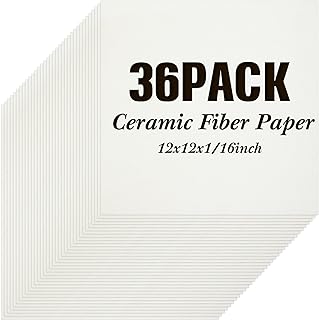
Ctosree 36 Pcs Ceramic Fiber Paper |
|
Check Price |
|
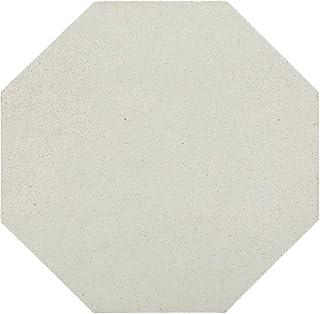
Chunful 15.5 Octagon Kiln Shelf |
|
Check Price |

|
Kiln Paper Thinfire 5×5 30 Sheet |
|
Check Price |

|
Roowest 10 Pcs 11×12 Microwave Kiln Paper |
|
Check Price |

|
How To Use A Pottery Kiln Practical Guide |
|
Check Price |
Table of Contents
- 1. Glassco Bullseye Thinfire 20×20 5-Pack
- 2. Bullseye Thinfire 5×5 15 Sheet
- 3. Large Microwave Kiln for Glass Fusing
- 4. Bullseye Thinfire 5×5 30 Sheet
- 5. Ctosree 36 Pcs Ceramic Fiber Paper
- 6. Chunful 15.5 Octagon Kiln Shelf
- 7. Kiln Paper Thinfire 5×5 30 Sheet
- 8. Roowest 10 Pcs 11×12 Microwave Kiln Paper
- 9. How To Use A Pottery Kiln Practical Guide
Microwave Kiln For Ceramics Reviews: The Best Choices
A microwave kiln for ceramics can turn an ordinary microwave into a focused small-scale firing tool, but the right choice depends on control, capacity, and compatibility. That is why a microwave kiln for ceramics remains popular with home potters, educators, and studio artists who want convenient feedback while shaping clay. In the Top 9 microwave kiln for ceramics Reviewed section, readers can expect top-rated picks compared for everyday use, differing needs, and the tradeoffs that matter most.
1. Glassco Bullseye Thinfire 20×20 5-Pack
Struggling with rough, uneven surfaces after glass fusing? This paper eliminates that frustration by providing a perfectly smooth interface between your glass and kiln. The 20×20 inch sheets offer ample coverage for larger projects, while the five-pack ensures you won’t run out mid-project. It burns away cleanly without leaving behind annoying ash or debris that ruins finishes.
Real-world benefits include significantly reduced cleanup time and professional-quality results that rival studio work. Artists report fewer failed pieces and more consistent outcomes across batches. It’s best suited for intermediate to advanced glass fusers who value reliability and precision over budget shortcuts. The paper handles high temperatures exceptionally well, making it a staple for anyone serious about their craft.
- Large 20×20 inch sheets
- Complete five-pack supply
- Clean burnout with no residue
- Consistent smooth surface finish
- Handles high firing temperatures
- Reduces failed piece rate
- Overkill for small hobbyists
- Premium price point
Get the Glassco Bullseye Thinfire 20×20 5-Pack now:
2. Bullseye Thinfire 5×5 15 Sheet
This product is ideal for small studio artists, jewelry makers, and crafters working with limited kiln space. The compact 5×5 inch sheets fit neatly into smaller kilns without requiring trimming or modification. Each sheet provides just the right amount of coverage for delicate pieces like pendants, small tiles, or accent glass work where precision matters more than bulk coverage.
Standout benefits include easy handling, minimal waste, and a surface smooth enough for detailed work without needing additional finishing. Crafters appreciate not having to cut larger sheets down to size, which saves both time and material costs. It works beautifully for those creating custom jewelry or small decorative items where consistency is key. The pre-cut format makes it beginner-friendly while still delivering professional results.
- Perfect for small kilns
- Pre-cut 5×5 inch size
- No trimming required
- Smooth finish for detail work
- Minimal waste
- Beginner-friendly
- Limited to small projects
- May require multiple sheets for larger pieces
Get the Bullseye Thinfire 5×5 15 Sheet now:
3. Large Microwave Kiln for Glass Fusing
What truly sets this kiln apart is its generous interior chamber that can handle glass pieces most competitors simply cannot fit. Unlike smaller microwave kilns that force you to break projects into tiny segments, this unit allows for full-size bowls, large panels, and complex multi-component fusions in a single firing session. The extra space means less time spent planning around size limitations and more time creating ambitious pieces.
In real-world use, the spacious chamber translates directly into productivity gains and creative freedom. Artists report being able to fire complete dinnerware sets, large wall art, and intricate sculptural pieces that were previously impossible in their home studios. It’s best suited for dedicated glass artists who have outgrown entry-level equipment but aren’t ready for expensive professional kilns. The design balances capacity with accessibility, making serious work achievable for serious hobbyists.
- Spacious interior chamber
- Accommodates large glass projects
- Single firing for complex pieces
- Eliminates multiple firing sessions
- Durable construction
- Professional-grade results
- Requires dedicated microwave use
- Higher price than basic models
Get the Large Microwave Kiln for Glass Fusing now:
4. Bullseye Thinfire 5×5 30 Sheet
Unlike cheaper alternatives that leave annoying ash residue or tear during removal, this paper delivers a consistently clean burnout every time. Crafters tired of scraping stubborn remnants off their kiln shelves will appreciate how completely it dissolves without leaving behind the gummy, difficult-to-clean residue that plagues lower-quality options. The difference becomes obvious after just one firing session.
Real-world benefits include dramatically reduced cleanup time and a surface quality smooth enough for detailed work without additional finishing. Having thirty sheets on hand means you’re never scrambling for supplies mid-project, which is invaluable for artists working on longer series or teaching workshops. It’s best suited for serious hobbyists and semi-professional glass workers who value reliability and don’t want to constantly reorder consumables. The bulk supply also makes it more cost-effective per sheet compared to smaller packages.
- Thirty sheets for long-term supply
- Clean burnout with no ash residue
- Ultra-smooth surface finish
- Cost-effective per sheet
- Never runs out mid-project
- Consistent quality batch after batch
- Overkill for occasional users
- Higher upfront investment
Get the Bullseye Thinfire 5×5 30 Sheet now: (See Also:Best Quinn Popcorn Microwave Reviews)
5. Ctosree 36 Pcs Ceramic Fiber Paper
A potter preparing for a weekend workshop realizes their old kiln gasket is crumbling and needs immediate replacement. Rather than canceling classes or investing in expensive professional repairs, they pull out this ceramic fiber paper and quickly cut new gaskets using the existing pieces as templates. Within minutes, the kiln is sealed properly again, and the workshop proceeds as scheduled with consistent firing temperatures throughout.
Beyond emergency repairs, this paper serves multiple insulation purposes including shelf liners, door seals, and element protection across different kiln types. The thirty-six pieces offer enough variety to handle most common repair scenarios without special ordering. It works well for microwave kilns, small electric kilns, and even as backup insulation material for gas kilns. Best suited for kiln owners who perform their own maintenance or instructors needing flexible repair solutions. The high-temperature rating ensures durability during extended firing cycles.
- Thirty-six versatile pieces
- High temperature resistance
- Easy to cut and shape
- Multiple insulation applications
- Cost-effective repair solution
- Durable construction
- Fiber dust requires ventilation
- Limited to moderate temperatures
Get the Ctosree 36 Pcs Ceramic Fiber Paper now:
6. Chunful 15.5 Octagon Kiln Shelf
For under fifty dollars, you get a substantial cordierite and mullite shelf that rivals items costing twice as much. The fifteen-and-a-half inch octagonal design provides generous surface area for multiple pieces while fitting standard kiln configurations. Unlike thin aluminum alternatives that warp under heat, this shelf maintains its shape and flatness through repeated high-temperature firings up to 2282 degrees Fahrenheit.
Real-world performance shows remarkable stability across various firing schedules, from quick glass fusing cycles to extended ceramic bisque firings. The material composition resists thermal shock better than many budget options, meaning fewer cracked shelves and more completed projects. It’s best suited for ceramicists and glass artists working in small to medium home studios who need reliable, long-lasting equipment without breaking their budget. The octagonal shape also maximizes kiln space utilization compared to traditional rectangular designs.
- Handles 2282°F temperatures
- Durable cordierite construction
- Generous 15.5 inch size
- Heat-resistant and stable
- Budget-friendly pricing
- Single shelf only
- Heavy for frequent repositioning
Get the Chunful 15.5 Octagon Kiln Shelf now:
7. Kiln Paper Thinfire 5×5 30 Sheet
Running out of kiln paper right in the middle of a production run is one of the most frustrating experiences for any serious glass worker. You’re forced to halt everything, place an emergency order, and wait days while your workspace sits idle. This thirty-sheet pack eliminates that anxiety entirely, ensuring you always have fresh paper available when inspiration strikes or deadlines approach.
The practical benefits extend beyond just convenience to actual quality improvements in finished pieces. Having an adequate supply means you never compromise on surface preparation due to rationing, which translates directly into higher success rates and more consistent results across all your work. It’s ideal for active crafters, small business owners, and instructors who need reliable materials on hand. The uniform 5×5 inch size works perfectly with most small kiln setups, making it a versatile choice for various project types.
- Thirty sheets prevent shortages
- Professional smooth finish
- Standard 5×5 inch size
- Consistent quality throughout
- Great for production work
- Reliable supply chain
- Excess sheets may expire
- Higher initial cost
Get the Kiln Paper Thinfire 5×5 30 Sheet now:
8. Roowest 10 Pcs 11×12 Microwave Kiln Paper
This product is ideal for glass artists working on larger projects who need consistent results without the hassle of piecing together smaller sheets. The eleven-by-twelve inch format covers substantial surface areas in a single application, making it perfect for big bowls, wall art panels, and multi-piece compositions that would otherwise require careful alignment of multiple smaller sheets. The ten-piece pack provides enough material for extended work sessions without constant reordering.
In real-world studio use, the large format saves considerable time during setup while reducing the potential for misalignment errors that can ruin entire pieces. Artists report more successful firings and cleaner results, especially when working with complex layered compositions where surface texture matters. It’s best suited for intermediate to advanced practitioners who’ve moved beyond beginner-scale projects and appreciate professional-grade materials. The paper handles high temperatures well and burns away completely, leaving behind only the smooth, professional finish that elevates handmade work to gallery-quality standards.
- Ten large 11×12 inch sheets
- Single-sheet large coverage
- Eliminates alignment errors
- Professional smooth finish
- Durable high-temp performance
- Great value per sheet
- May be too large for small kilns
- Limited to ten sheets
Get the Roowest 10 Pcs 11×12 Microwave Kiln Paper now:
9. How To Use A Pottery Kiln Practical Guide
What sets this guide apart from typical technical manuals is how it breaks down complex firing processes into simple, understandable steps that beginners can actually follow without feeling overwhelmed. Instead of dense terminology and assumptions about prior knowledge, it walks readers through everything from basic safety protocols to advanced scheduling techniques using clear language and practical examples. This approach transforms what could be a daunting learning experience into something approachable and confidence-building for new ceramicists. (See Also:Best Microwave Kiln For Fused Glass Reviews)
The real-world value becomes apparent when readers start applying the techniques to their own work, resulting in fewer failed firings, better glaze results, and significantly reduced waste from costly mistakes. The step-by-step format makes it easy to reference specific sections when troubleshooting issues or planning new projects. It’s best suited for beginners who’ve recently acquired their first kiln, as well as experienced potters looking to refine their process knowledge and achieve more consistent professional results. The practical examples and safety emphasis make it valuable for anyone serious about developing proper firing techniques.
- Clear step-by-step instructions
- Beginner-friendly approach
- Comprehensive safety coverage
- Practical real-world examples
- Reduces firing failures and waste
- Easy reference format
- Limited advanced techniques
- Focuses mainly on basics
Get the How To Use A Pottery Kiln Practical Guide now:
What to Look for When Buying Microwave Kiln For Ceramics
1. What Is a microwave kiln for ceramics?
A microwave kiln for ceramics uses microwave energy to remove moisture from clay and, with the right cycle and materials, fire small ceramic pieces. It is a compact alternative to a conventional kiln, not a direct substitute for every large or advanced firing task. Common uses include drying greenware, bisque firing small work, and firing compatible glaze samples.
It is most useful for artists working at home, educators demonstrating clay processes, studio members making small forms, and makers who want faster feedback between throwing and glazing. Beginners benefit from the manageable scale, while experienced users appreciate the ability to repeat tests without scheduling time around a full-size kiln.
2. Key Features That Actually Matter
Consider how a unit performs in ordinary studio conditions, not just whether it reaches a maximum temperature. The following factors help narrow the field.
- Performance: Look for consistent results across repeated firings, especially when clay thickness and moisture levels vary. Evaluate drying, bisque firing, and glaze firing only if those tasks fit your workflow.
- Build: Housing, door closure, shelf supports, and electrical components should feel solid and resist normal wear. Good construction reduces noise from movement and makes pieces easier to load safely.
- Setup: A clear control panel, understandable instructions, and simple cleaning help keep practice consistent. Check whether routine maintenance is accessible and whether replacement parts are reasonably available.
- Size: Choose a chamber that holds your largest piece with clearance on every side. Underestimating shelf spacing or platform limits can lead to uneven heating and frustrating remakes.
- Value: Compare cost with usable chamber space, control precision, included accessories, energy use, and expected service life. A higher purchase price can be reasonable for better repeatability, but it does not guarantee better results.
- Reliability: Review warranty coverage, support quality, replacement policies, and the maker’s track record for consistent manufacturing. A dependable supplier is important because firing failures can damage unfinished work.
- Compatibility: Confirm the kiln works with the microwave type and electrical supply in your space. Also check compatible clay, glazes, shelves, and firing programs before buying.
3. How to Choose the Right microwave kiln for ceramics
Start with how often you expect to fire. A learner making occasional cups may prioritize simple controls and a compact footprint, while a production-minded hobbyist may value larger capacity, repeatability, and stronger support.
Set a budget that includes shelves, clay tests, protective equipment, and possible repairs. Avoid spending heavily before confirming that your pieces, clay body, and glazes are appropriate for microwave firing. That discipline prevents expensive surprises.
Use the Top 9 list to compare shortlists, not to assume every entry suits every artist. Give the strongest candidates a dry run with your own forms and firing goals, then choose the option whose limits align best with your space, schedule, and experience.
4. Common Buyer Mistakes to Avoid
Avoid these common errors before your first firing.
- Ignoring clay and glaze compatibility can cause cracking, melting, fumes, or failed pieces. Test a small sample and follow the maker’s firing guidance.
- Overloading the chamber blocks airflow and reduces heating consistency, which can ruin multiple pieces. Leave the recommended spacing and fire one batch at a time until you know the limits.
- Skipping a full dry cycle may trap moisture and create steam cracks. Use a consistent process and confirm that pieces are fully bone dry before firing.
- Using an unsuitable microwave can create serious electrical or heating hazards. Follow setup instructions exactly, verify compatibility, and stop if the manufacturer has not specified how the kiln should be connected.
Your Top Questions About Microwave Kiln For Ceramics
Is a microwave kiln easy for beginners to use?
Most units are designed for artists who want repeatable small firings without managing a full-size kiln. The learning curve mainly involves loading, selecting an appropriate program, and allowing enough time for drying. Clear controls help, but reading the instructions and practicing with test pieces is still essential. (See Also:Best Sauder Microwave Cart Reviews)
Can I use it with my existing microwave?
No, not unless the kiln and microwave are explicitly designed to work together. Some countertop kilns require a particular microwave, while others are complete electric appliances. Never improvise a connection or place an unqualified kiln inside a microwave, because door locks, power levels, ventilation, and electrical loads may not be compatible.
Which clays and glazes work best?
Compatibility depends on the kiln design and firing process, so there is no universal clay-and-glaze formula. Use only materials approved for microwave firing and test small samples before committing to finished work. Pay particular attention to glaze chemistry, especially any metallic, glossy, or low-fire components that may react poorly.
Can it produce good ceramic quality?
You can achieve well-finished small pieces when clay preparation, wall thickness, drying, shelf spacing, and firing are handled consistently. Results may vary with dense or complex forms, and microwave firing is not ideal for every ceramic process. Judge sample pieces for fit, surface finish, strength, and defects rather than relying on maximum temperature alone.
What makes a microwave kiln reliable over time?
Reliability comes from stable temperature control, even heat distribution, secure door hardware, straightforward cleaning, and dependable electrical components. Repeated test firings are more informative than a single successful run. Also review warranty terms and customer support, since workmanship and service availability matter when a small issue interrupts your workflow.
Is a more expensive microwave kiln always better value?
Not always. A lower-priced unit can make sense for occasional practice if its capacity, controls, and included accessories fit your work. A higher budget may be justified by stronger construction, greater capacity, or more precise repeatability. Compare the whole setup, including shelves and clay tests, rather than looking only at the purchase price.
Final Verdict
After weighing control, capacity, compatibility, support, and total cost, the best microwave kiln for ceramics is the one that helps you make consistent small pieces without disrupting your workspace. Favor a clear workflow, durable construction, and a firing process suited to your clay and glazes. If your needs later outgrow the format, that is a sign to move up, not a sign you made the wrong choice.